
1. Introduction: The Critical Role of Limestone Powder in Pre-Decomposition Kiln Systems
In modern cement manufacturing, the pre-decomposition kiln system represents the pinnacle of pyro-processing technology. Within this system, the raw material preparation phase, particularly the grinding of limestone into fine powder, plays a pivotal role in determining the overall efficiency, clinker quality, and energy consumption of the entire plant. The limestone powder, often referred to as raw meal, must possess specific fineness and chemical homogeneity to ensure optimal calcination and clinker formation in the rotary kiln and preheater tower.
For a 5000 tons per day (TPD) clinker production line using a pre-decomposition kiln, the grinding system must process approximately 350-400 tons of raw material per hour. The fineness requirement typically demands a 0.08mm sieve residue of 12-14% and a 0.2mm sieve residue of less than 2%. Achieving these stringent specifications requires sophisticated grinding equipment that can operate efficiently, conserve energy, and maintain consistent output quality. As a leading manufacturer of industrial grinding solutions, we understand the technical nuances required for this demanding application. The selection of the appropriate limestone powder production equipment is not merely a purchasing decision; it is a strategic choice that impacts operational costs, productivity, and environmental compliance for decades.
2. Primary Grinding Equipment for Limestone Powder
The core of the limestone powder production line is the grinding mill. For the specific demands of a pre-decomposition kiln, which requires large throughput and precise fineness, the industry primarily relies on two dominant technologies: the Vertical Roller Mill (VRM) and the Ball Mill. However, technological advancements have introduced more efficient variants that offer significant operational and economic advantages.
2.1 Vertical Roller Mill (VRM) – The Industry Standard
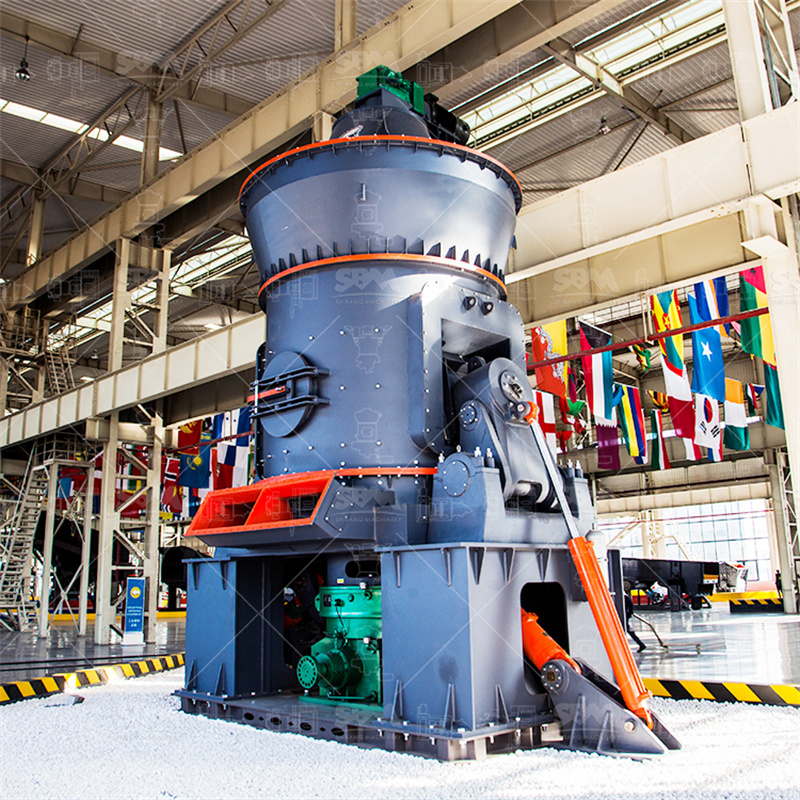
The Vertical Roller Mill (VRM) has become the undisputed standard for raw material grinding in large-scale pre-decomposition kiln lines. Its popularity stems from its ability to simultaneously dry, grind, and classify materials within a single unit. The principle involves a rotating grinding table onto which the material is fed, and stationary or floating rollers that apply hydraulic pressure to crush and grind the material bed. Hot kiln exhaust gases are introduced into the mill to dry the raw material and transport the fine particles to the dynamic classifier.
Our LM Series Vertical Roller Mill is engineered specifically to meet the high-capacity demands of modern pre-decomposition kilns. Unlike ball mills, our LM series integrates crushing, grinding, and classification into a single system. This unique integrated design reduces the building footprint by up to 50%, leading to a corresponding reduction in civil engineering costs. From an energy perspective, the LM mill consumes 30-40% less power than traditional ball mill systems. For instance, the LM280K model offers a capacity of 50-170 t/h, while the larger LM340Y, designed for pre-grinding applications, can handle a circulation capacity of up to 1000 t/h. The non-contact design between the rollers and the table extends the service life of wear parts by up to three times, ensuring high availability for continuous kiln operations.
2.2 High-Efficiency Ultrafine and Trapezium Mills
When the pre-decomposition process requires higher specific surface area or the production of ultra-fine limestone powder (for example, for adding to cement or for desulfurization processes), the SCM Series Ultrafine Mill and the MTW Series European Trapezium Mill become highly relevant. While VRM handles the bulk tonnage, these mills offer superior efficiency for applications like pulverized limestone injection or high-blaine cement production.
The MTW Series European Trapezium Mill is a workhorse for medium-to-fine powder (30-325 mesh). Its integral bevel gear drive achieves a transmission efficiency of up to 98%, significantly reducing energy losses. For a pre-decomposition kiln that also needs to process a partial percentage of additives or auxiliary materials, the MTW mill provides flexibility and reliability. It features a patented internal suction oil lubrication system and an optimized arc air duct that reduces airflow resistance. Models like the MTW175G (9.5-25 t/h) and MTW215G (15-45 t/h) offer the robustness required for limestone grinding, with a wear-resistant volute structure that cuts maintenance costs by 30%.
2.3 The Competitive Edge of the MRN Pendulum Mill
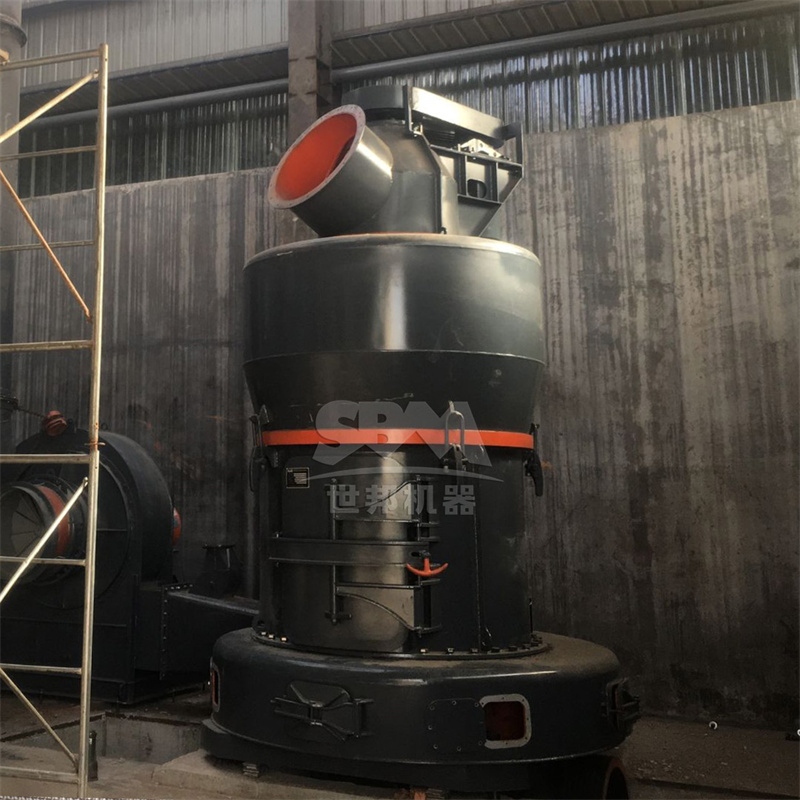
For medium-scale plants or upgrade projects, the MRN Pendulum Mill offers a compelling solution. It is characterized by a thin oil lubrication system that is virtually maintenance-free, a significant step forward from traditional grease-lubricated pendulum mills. The square pipe design in the collector reduces system resistance, enhancing overall pneumatic conveying efficiency. Specifically, the MRN158 (7-21 t/h) and MRN198 (12-33 t/h) models are ideal for limestone grinding, providing the resilience needed for continuous operation. This mill offers a scientific configuration of a new classifier and isolated cyclone, which minimizes energy consumption and maximizes yield.
3. Auxiliary and Pre-Crushing Equipment
Before the primary mill can process the material, raw limestone must be sized to the mill’s feed specification. This typically requires a two-stage crushing process. The primary crusher reduces boulders to a size below 75-100mm, and the secondary crusher further reduces it to under 20-50mm, depending on the mill type.
To achieve the required mill feed size, we offer a comprehensive range of crushers. The Hammer Mill (models PC4008-75, PC4012-90, PC4015-132) is particularly suited for the secondary crushing stage, capable of reducing 0-40mm fed material to an output size of 0-3mm. This is especially useful when preparing pre-grinding feed or for processing high-moisture limestone. The high manganese steel liners and optimized cavity design ensure robust performance. For the primary crushing stage, our heavy-duty jaw crushers or impact crushers (often integrated into the mill system for oversized re-circulation) guarantee that the output of the quarry is efficiently converted into feed stock.
Furthermore, the utilization of a Vertical Pre-grinding Mill (LM-Y series) in a semi-finish grinding system is an effective strategy to increase total plant capacity. By adding a pre-grinder before the ball mill or VRM, total system output can be increased by 30-50% while lowering specific power consumption. The LM150Y, with a capacity of 6-10t/h, and the flagship LM340Y, with an 80-100 t/h capacity, are engineered for cement clinker and limestone pre-grinding, maximizing the efficiency of the downstream equipment.
4. System Selection and Configuration Guide
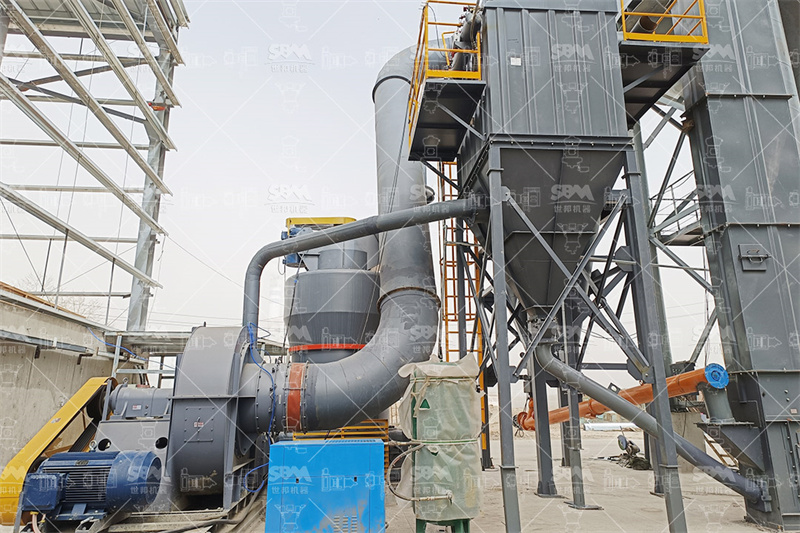
Selecting the optimal equipment configuration for limestone powder production requires a holistic view of the plant’s specific conditions. The decision matrix must consider raw material properties (Bond Work Index, moisture content, abrasiveness), required capacity, product fineness, and the availability of waste heat from the kiln.
For large-scale raw meal (Base Demand : VRM)
If the goal is to supply the kiln with continuous, high-quality raw meal, the VRM (specifically our LMK series for minerals) is the only logical choice. The VRM excels at utilizing the hot kiln exhaust gases for drying. Additionally, the expert-level auto-control system allows for real-time monitoring of differential pressure and temperature, ensuring stable operation even when raw material moisture fluctuates.
For Desulfurization or High-Blaine Additives (Specialty: SCM series)
In coal-fired power plants attached to the cement works or for specific cement types, a very fine limestone powder (e.g., 325-2500 mesh) is required. Here, the SCM Series Ultrafine Mill outperforms jet mills with double the capacity and 30% lower energy consumption. The vertical turbine classifier ensures precise cutting of particle size, preventing any coarse powder mixing, which is critical for desulfurization efficiency.
The Dual-system Strategy: MTW & MRN
We recommend our MTWZ or MRN series specific models for medium-capacity operations or for grinding materials with significant impurities. The MTW’s wear-resistant volute and the MRN’s low maintenance lubrication system reduce the total cost of ownership (TCO). These mills are perfect complements to a cement grinding station serving a pre-decomposition kiln, providing flexibility to produce different cement types without contaminating the main raw meal circuit. For instance, grinding ordinary Portland cement clinker in an MRN198 can yield 12-33 t/h with a 10-325 mesh fineness.
5. Environmental and Energy-Saving Considerations
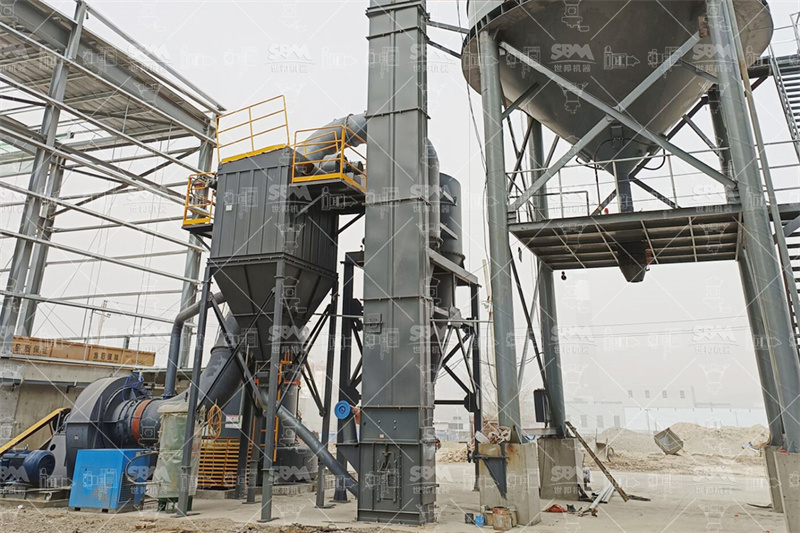
Modern pre-decomposition kiln sites are subject to stringent environmental regulations. Our mills are designed to exceed compliance mandates. The LM and MTW series feature fully sealed negative pressure operations with pulse dust collection systems that ensure dust emission levels are far below national standards. The soundproof room designs available for the SCM series ensure the noise level remains under 85 dB(A), protecting operators.
Energy conservation is another pillar of our design philosophy. Because the VRM combines drying, grinding, and classification, it eliminates the need for a separate drying unit. Our MTW mill’s integral bevel gear drive and optimized air duct minimize transmission losses and maintain high air selection efficiency. The innovative roller assembly in the MTM series uses horizontal pull-rods to protect main bearings, significantly reducing mechanical wear and the energy required to overcome friction.
6. Conclusion
Producing limestone powder for a pre-decomposition kiln demands equipment with high reliability, excellent energy efficiency, and precise classification performance. The choice is not a one-size-fits-all solution but a careful engineering study comprising of your raw materials and site constraints. Whether it is the massive capacity of the LM Vertical Roller Mill, the flexible grinding capability of the MTW Trapezium Mill, the ultra-fine output of the SCM Mill, or the maintenance-friendly MRN Pendulum Mill, our product line covers the full spectrum of needs. We invite you to consult our engineers to conduct a comprehensive ore test and design a system that maximizes your return on investment and secures your position in the competitive cement market. Investing in the right grinding technology is the first step towards a high-efficiency pre-decomposition production line.