
Introduction: The Role of Attapulgite in Modern Coatings
Attapulgite clay (also known as palygorskite) has become an indispensable functional additive in the coatings industry. Its unique needle-like crystal structure delivers exceptional thixotropic properties, suspension stability, rheology control, and anti-sagging performance. Whether used in waterborne architectural paints, solvent-based industrial coatings, or high-performance specialty formulations, properly processed attapulgite can dramatically improve application behavior, storage stability, and film integrity.
However, the performance of attapulgite additives depends heavily on the particle size distribution, dispersion quality, and structural integrity achieved during processing. This is where the selection of an appropriate milling system becomes critical. Unlike simple fillers, attapulgite requires gentle yet efficient comminution to preserve its acicular morphology while achieving the ultrafine particle sizes demanded by modern coating formulations—typically in the range of 325 to 2500 mesh.
This buyer’s guide examines the key considerations for selecting production equipment for attapulgite clay additives, compares major milling technologies, and provides practical guidance for coating manufacturers and mineral processors seeking to optimize their operations.
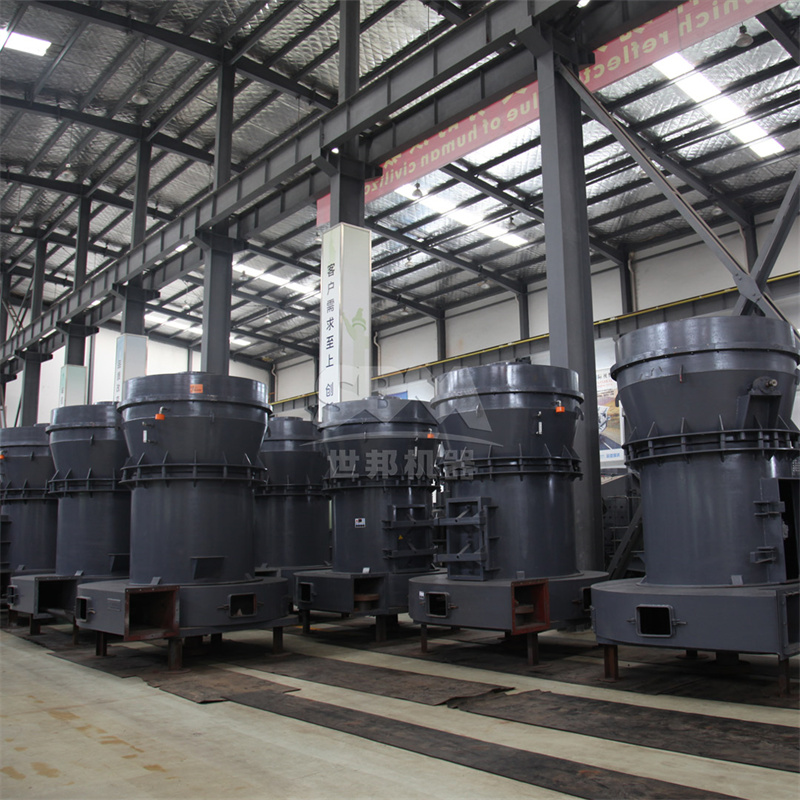
Key Requirements for Milling Attapulgite Clay
Before evaluating specific equipment, buyers must understand the unique processing requirements of attapulgite:
1. Preservation of Crystal Morphology
Attapulgite’s performance benefits derive from its fibrous, needle-like structure. Excessive mechanical force or inappropriate grinding methods can fracture these fibers, reducing the aspect ratio and diminishing thixotropic efficiency. Equipment must deliver controlled grinding energy that separates aggregates without destroying individual crystals.
2. Fineness and Particle Size Distribution
Coating formulations typically require attapulgite additives with fineness between 200 and 1250 mesh, depending on application. High-performance coatings may demand particles down to 5μm or finer. A narrow particle size distribution is essential to avoid coarse particles that cause surface defects or settling.
3. Contamination Control
Iron contamination can discolor light-colored coatings and catalyze degradation in some formulations. Equipment with wear-resistant materials and minimal metal-to-product contact is preferred. Additionally, the grinding system should prevent cross-contamination when switching between product grades.
4. Thermal Management
Attapulgite can lose bound water and structural hydroxyl groups at elevated temperatures, altering its properties. Dry grinding systems must control temperature to avoid over-drying or thermal damage, particularly when processing to ultrafine sizes where energy input is high.
5. Dust and Environmental Compliance
Attapulgite dust is a respiratory irritant. Modern milling systems must incorporate efficient dust collection, negative pressure operation, and sound attenuation to meet occupational health and environmental standards.
Comparing Milling Technologies for Attapulgite Processing
Pendulum Mills (MTM Series)
Medium-speed trapezium mills represent a traditional and reliable choice for attapulgite grinding. With capacities from 3 to 22 t/h and fineness adjustable from 45 to 325 mesh, these systems suit medium-scale production of standard-grade attapulgite additives. Their spring-loaded roller design provides stable grinding pressure, while the integrated classifier allows precise top-size control. However, pendulum mills may struggle to achieve the finest specifications (below 800 mesh) at high capacity, and wear part replacement can be frequent when processing abrasive clay.
Ball Mills
Ball mills offer wide adaptability and can handle both dry and wet processing. For attapulgite, wet ball milling in slurry form can effectively delaminate and disperse the clay while minimizing dust. However, ball mills are energy-intensive, generate significant heat, and produce a relatively broad particle size distribution. They are best suited for large-scale operations where downstream classification is available, or for producing lower-fineness grades where morphology preservation is less critical.
Vertical Roller Mills (LM Series)
Vertical roller mills have gained popularity for mineral processing due to their integrated crushing, grinding, and classification in a single compact unit. The LM series can achieve fineness from 30 to 325 mesh with capacities ranging from 3 to 250 t/h. For attapulgite, the bed-grinding principle generates less shear force than ball mills, helping preserve crystal structure. The integrated dynamic classifier ensures sharp top-size cuts. However, vertical mills require careful control of grinding pressure and airflow to prevent over-grinding of the fibrous structure, and the hot air requirement may not suit all attapulgite grades.
Ultrafine Mills (SCM Series)
For premium-grade attapulgite additives requiring fineness in the 325-2500 mesh range, dedicated ultrafine grinding systems are essential. The SCM Series Ultrafine Mill from our company represents a state-of-the-art solution specifically engineered for such demanding applications.
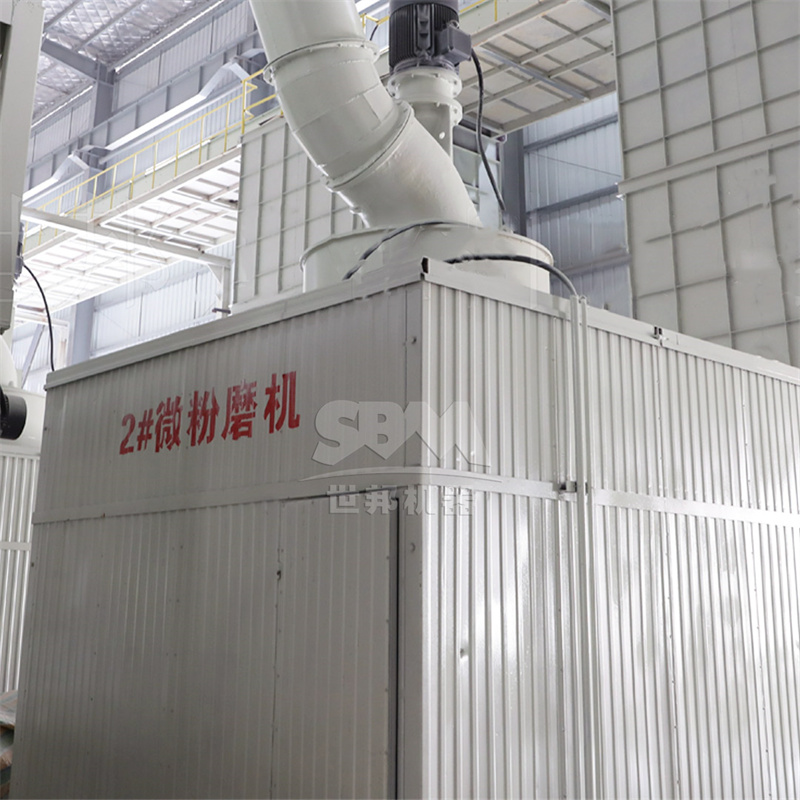
Recommended Solution: SCM Series Ultrafine Mill
The SCM Series Ultrafine Mill stands out as the ideal choice for producing high-value attapulgite clay additives for coatings. Its technical advantages directly address the challenges of processing this sensitive mineral:
High-Precision Classification
The vertical turbine classifier achieves precise particle size cutting, ensuring no coarse powder mixing and uniform finished products. This is critical for attapulgite additives, where even small amounts of oversized particles can cause surface defects in coatings. The intelligent control system with automatic finished product granularity feedback maintains consistent quality throughout production runs.
High Efficiency and Energy Savings
With capacity twice that of conventional jet mills and 30% lower energy consumption, the SCM Series delivers exceptional economic performance. This efficiency advantage is particularly important for attapulgite processing, where energy costs represent a significant portion of total production expenses.
Durable Design for Abrasive Materials
Attapulgite clay can be abrasive, causing rapid wear in conventional grinding equipment. The SCM Series features special material rollers and rings that extend service life several times over. The shaftless screw grinding chamber ensures stable operation and reduces maintenance downtime.
Eco-friendly Operation
Pulse dust collection efficiency exceeds international standards, protecting worker health and meeting environmental regulations. The soundproof room design ensures noise levels are minimized, creating a safer and more comfortable working environment.
The SCM Series is available in five models—SCM800, SCM900, SCM1000, SCM1250, and SCM1680—with capacities ranging from 0.5 to 25 t/h. This range accommodates everything from pilot-scale production to large industrial operations. For most attapulgite coating additive applications, the SCM1000 or SCM1250 models provide an optimal balance of capacity and fineness capability.
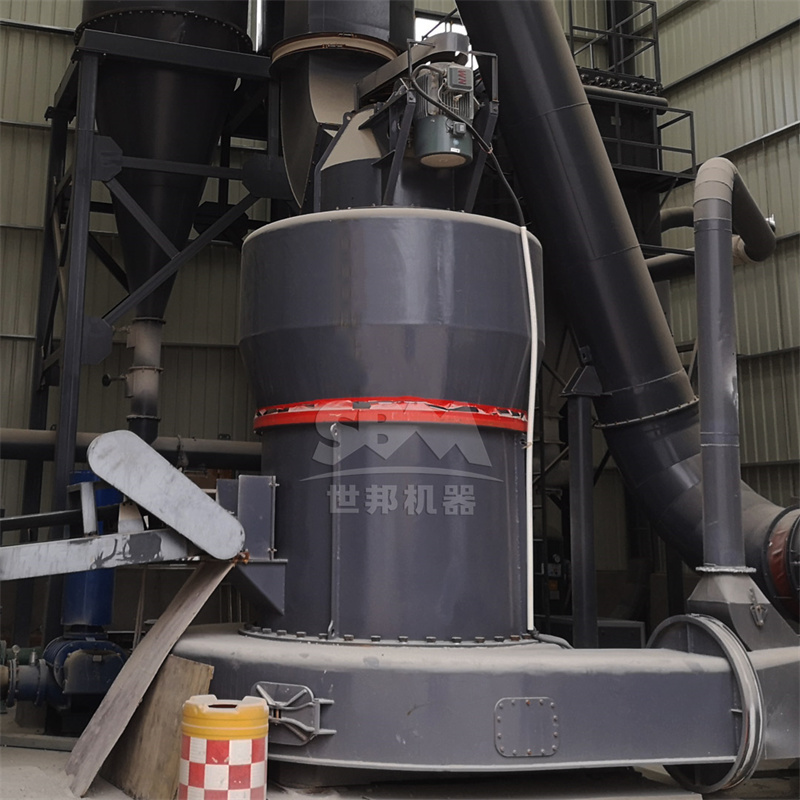
Alternative Consideration: MTW Series European Trapezium Mill
For manufacturers producing standard-grade attapulgite additives in the 100-325 mesh range, the MTW Series European Trapezium Mill offers an excellent combination of capacity, efficiency, and reliability.
The MTW Series incorporates several design innovations that benefit attapulgite processing. The anti-wear shovel design with combined blades reduces maintenance costs while the curved design extends grinding roller life. The optimized arc air duct reduces airflow energy loss and improves transmission efficiency, while high-strength guard plates protect the duct working surface.
The integral bevel gear drive achieves transmission efficiency up to 98%, saving space and reducing installation costs. The wear-resistant volute structure with non-resistance flow design improves air selection efficiency and reduces maintenance costs by 30%.
With models ranging from MTW110 (3-9 t/h) to MTW215G (15-45 t/h), the MTW Series scales effectively from small to large operations. The ability to adjust fineness from 10 to 325 mesh provides flexibility for producers serving multiple market segments.
Selection Criteria: Matching Equipment to Application
When selecting milling equipment for attapulgite clay additives, buyers should consider the following factors:
Target Fineness and Application
For anti-settling agents in architectural paints, 200-400 mesh products are typically sufficient. High-performance industrial coatings may require 800-1250 mesh or finer. Ultrafine grades (2000+ mesh) are used in specialty applications where maximum thixotropic efficiency is needed. Match equipment capability to your highest-value product specifications.
Production Capacity Requirements
Calculate your required throughput based on market demand and growth projections. Consider both current needs and future expansion. Modular systems that can be upgraded or supplemented with additional units provide flexibility.
Product Quality Consistency
Coating manufacturers demand consistent additive performance. Equipment with automatic controls, real-time particle size monitoring, and stable grinding conditions ensures batch-to-batch reproducibility.
Total Cost of Ownership
Evaluate not just purchase price but also energy consumption, wear part costs, maintenance requirements, and downtime. High-efficiency systems often justify higher initial investment through lower operating costs.
Environmental and Safety Compliance
Ensure equipment meets local dust emission standards, noise regulations, and worker safety requirements. Integrated dust collection and soundproofing should be standard features, not afterthoughts.
Conclusion: Partnering for Success
The production of high-quality attapulgite clay additives for the coatings industry requires careful equipment selection. The unique properties of this mineral—its fibrous structure, sensitivity to over-grinding, and critical role in coating performance—demand milling systems that can deliver precise fineness while preserving morphology.
Our company’s SCM Series Ultrafine Mill and MTW Series European Trapezium Mill represent two proven solutions for attapulgite processing. The SCM Series excels in ultrafine grinding with superior classification precision, while the MTW Series offers efficient medium-fineness production with low maintenance costs. Both systems incorporate advanced environmental controls and are backed by our comprehensive technical support and service network.
We invite coating manufacturers and mineral processors to consult with our technical team to determine the optimal equipment configuration for their specific attapulgite products. With decades of experience in powder processing equipment, we can provide laboratory testing, pilot-scale trials, and full-scale implementation support to ensure your success in this demanding market.
For more information on our complete line of grinding and classification equipment for the coatings industry, please contact our sales and technical representatives.