
Introduction: The Strategic Role of Calcite in Papermaking
Calcite, a naturally abundant calcium carbonate mineral, has become one of the most indispensable functional additives in modern papermaking. Whether used as a filler to reduce pulp consumption or as a coating pigment to enhance surface properties, ground calcium carbonate (GCC) derived from calcite significantly improves paper opacity, brightness, smoothness, and printability. For paper mills, the quality and cost-efficiency of calcite powder directly influence both product competitiveness and operational profitability.
However, not all calcite powders are created equal. The performance of calcite additives depends heavily on particle size distribution, particle shape, whiteness, and purity — all of which are determined by the grinding equipment used in production. Choosing the right grinding mill is therefore a critical strategic decision for any paper mill investing in self-production of calcite additives.
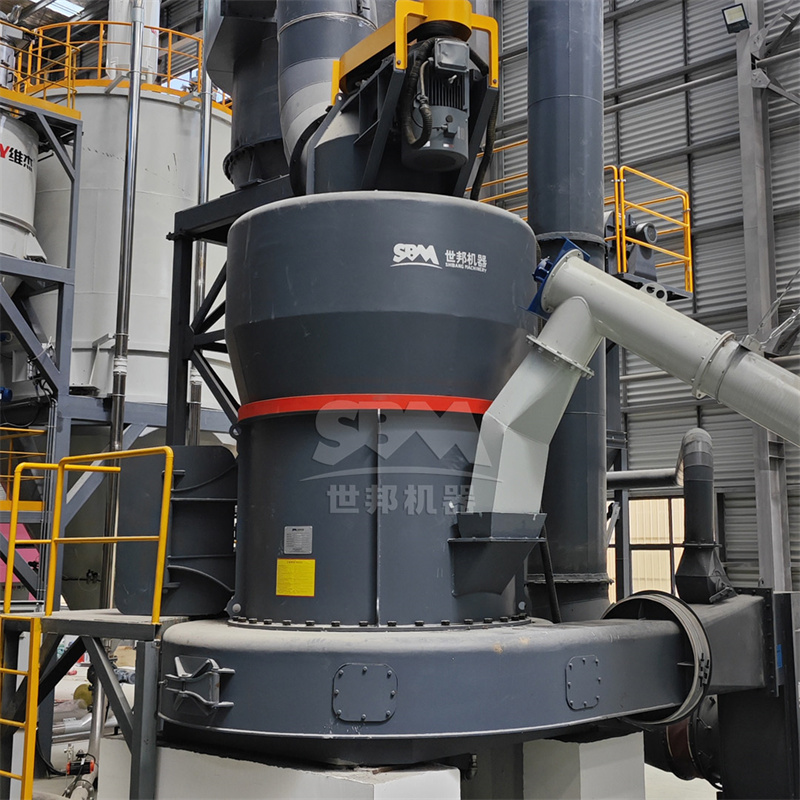
Understanding the Requirements of Calcite Additives for Papermaking
Before selecting a grinding mill, it is essential to understand the technical requirements that paper mills place on calcite additives:
1. Filler-Grade Calcite
Filler-grade calcite is typically ground to 200–600 mesh (approximately 75–25 μm). The key requirements include:
- Uniform particle size: Narrow distribution ensures consistent paper formation.
- High brightness: Typically above 90% ISO for premium paper grades.
- Low abrasive content: To minimize wear on paper machine wires and felts.
2. Coating-Grade Calcite
Coating-grade calcite requires finer grinding, usually 600–2500 mesh (25–5 μm) or even sub-micron range. Additional requirements include:
- Controlled particle shape: Rhombohedral or scalenohedral shapes affect coating gloss and opacity.
- Steep particle size distribution: Ensures optimal packing density in the coating layer.
- Minimal contamination: Iron and silica content must be strictly controlled.
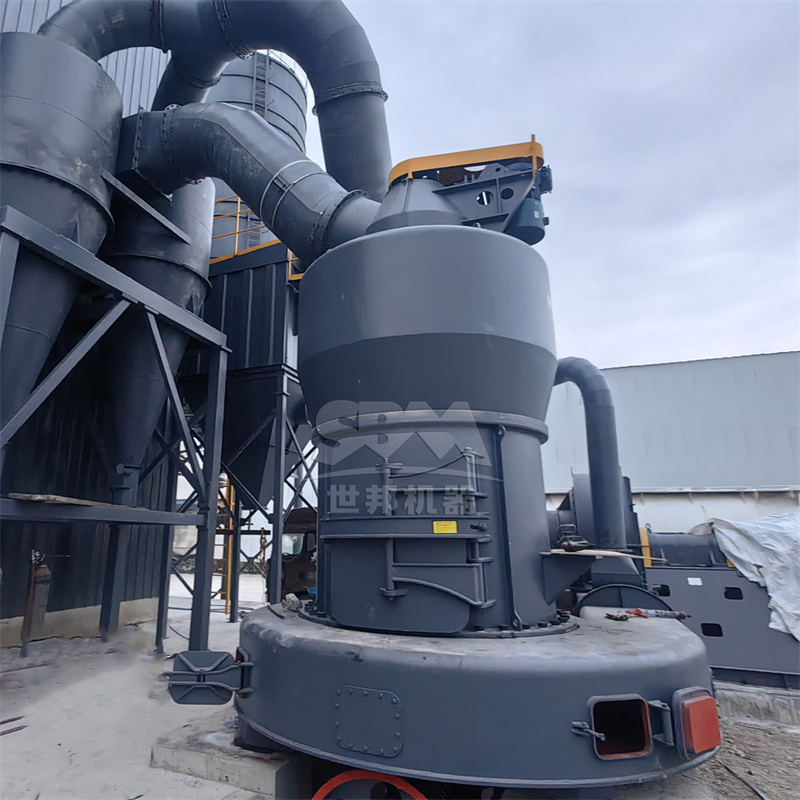
Key Factors in Choosing a Grinding Mill for Calcite Powder Production
Selecting the optimal grinding solution requires a systematic evaluation of several factors:
1. Target Fineness and Capacity
The most fundamental consideration is matching the mill’s output fineness range and production capacity to your paper mill’s consumption requirements. A mill that produces too coarse a product will not meet coating standards, while one that produces excessively fine powder at low capacity may not be economically viable.
2. Energy Efficiency
Grinding is an energy-intensive process. In calcite powder production, energy costs can account for 30–50% of total operating costs. Mills with higher grinding efficiency and lower specific energy consumption per ton of product provide substantial long-term savings.
3. Product Quality Consistency
Paper mills require consistent quality from batch to batch. The mill’s classification system — whether static, dynamic, or turbine-based — determines how precisely the finished product granulometry can be controlled. Advanced classification technology ensures minimal coarse particle contamination.
4. Wear Parts and Maintenance
Calcite is moderately abrasive. Grinding rollers, rings, and liners are subject to continuous wear. Mills designed with wear-resistant materials and easy maintenance access reduce downtime and spare parts costs significantly.
5. Environmental Compliance
Dust emissions and noise levels must comply with increasingly stringent environmental regulations. Modern mills incorporate pulse dust collection systems and soundproofing designs to meet these standards.
6. Integration and Footprint
For paper mills with limited space, compact and integrated grinding systems that combine crushing, grinding, and classification into a single unit are preferred. They reduce infrastructure investment and simplify material handling.
Recommended Equipment: SCM Series Ultrafine Mill for Coating-Grade Calcite
For paper mills requiring ultrafine calcite powder in the coating-grade range (325–2500 mesh / 45–5 μm), the SCM Series Ultrafine Mill is an ideal solution. This mill combines high grinding efficiency with precise classification to deliver consistent, high-quality ultrafine calcite powder.
Core Parameters
- Input Size: ≤20 mm
- Output Fineness: 325–2500 mesh (45–5 μm)
- Capacity: 0.5–25 ton/h (depending on model)
Technical Advantages
- High Efficiency & Energy Saving: Capacity is twice that of jet mills, with 30% lower energy consumption. Intelligent control with automatic finished product granularity feedback ensures stable operation.
- High-Precision Classification: The vertical turbine classifier achieves precise particle size cutting with no coarse powder mixing, ensuring uniform finished products — critical for coating-grade calcite.
- Durable Design: Special material rollers and rings extend service life several times over. The shaftless screw grinding chamber ensures stable operation with minimal vibration.
- Eco-friendly & Low Noise: Pulse dust collection efficiency exceeds international standards. Soundproof room design ensures noise levels remain within regulatory limits.
Available Models
- SCM800: Capacity 0.5–4.5 t/h | Main Power 75 kW | Fineness 325–2500 mesh
- SCM900: Capacity 0.8–6.5 t/h | Main Power 90 kW | Fineness 325–2500 mesh
- SCM1000: Capacity 1.0–8.5 t/h | Main Power 132 kW | Fineness 325–2500 mesh
- SCM1250: Capacity 2.5–14 t/h | Main Power 185 kW | Fineness 325–2500 mesh
- SCM1680: Capacity 5.0–25 t/h | Main Power 315 kW | Fineness 325–2500 mesh
The SCM Series is particularly well-suited for paper mills that need to produce their own coating-grade calcite on-site, eliminating the cost and logistics of purchasing ultrafine powder from external suppliers.
Recommended Equipment: MTW Series European Trapezium Mill for Filler-Grade Calcite
For paper mills requiring filler-grade calcite powder (30–325 mesh / 600–45 μm) at high capacity, the MTW Series European Trapezium Mill offers an excellent balance of capacity, efficiency, and product quality.
Core Parameters
- Input Size: ≤50 mm
- Output Fineness: 30–325 mesh (down to 0.038 mm)
- Capacity: 3–45 ton/h (depending on model)
Technical Advantages
- Anti-wear Shovel Design: Combined shovel blades reduce maintenance costs, while the curved design extends grinding roller life — important when processing abrasive calcite.
- Optimized Arc Air Duct: Reduces airflow energy loss and improves transmission efficiency. High-strength guard plates protect the air duct working surface.
- Integral Bevel Gear Drive: Transmission efficiency up to 98%, saving space and reducing installation costs.
- Wear-resistant Volute Structure: Non-resistance flow design improves air selection efficiency, with maintenance costs reduced by 30%.
Available Models
- MTW110: Capacity 3–9 t/h | Main Power 55 kW | Fineness 10–325 mesh
- MTW138Z: Capacity 6–17 t/h | Main Power 90 kW | Fineness 10–325 mesh
- MTW175G: Capacity 9.5–25 t/h | Main Power 160 kW | Fineness 10–325 mesh
- MTW215G: Capacity 15–45 t/h | Main Power 280 kW | Fineness 10–325 mesh
The MTW Series is ideal for paper mills that consume large volumes of filler-grade calcite and wish to achieve self-sufficiency in powder production. Its high capacity and efficient classification make it a cost-effective choice for medium to large-scale operations.
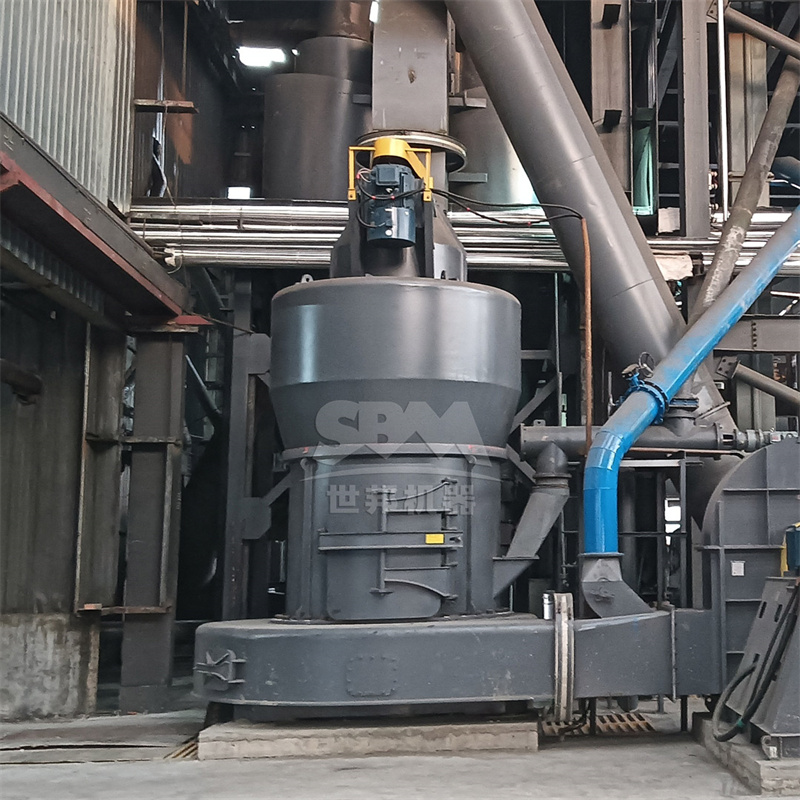
Comparison and Selection Guidelines
| Factor | SCM Ultrafine Mill | MTW European Trapezium Mill |
|---|---|---|
| Target Product | Coating-grade (325–2500 mesh) | Filler-grade (30–325 mesh) |
| Capacity Range | 0.5–25 t/h | 3–45 t/h |
| Energy Efficiency | 30% lower than jet mills | Up to 98% transmission efficiency |
| Classification | Vertical turbine classifier | Integrated classifier system |
| Best For | Premium coating applications | High-volume filler production |
Installation and Operational Considerations
When integrating a grinding mill into your paper mill’s calcite additive production line, consider the following:
1. Layout and Material Flow
Ensure the mill is positioned to minimize material transport distances. Feed silos, grinding mills, classifiers, and product storage should be arranged for optimal workflow. Integrated systems like the SCM and MTW series reduce the number of auxiliary equipment required.
2. Dust Collection and Ventilation
Both the SCM and MTW series feature advanced pulse dust collection systems. Ensure proper ductwork design and regular filter maintenance to maintain compliance with local emission standards.
3. Grinding Circuit Optimization
For maximum efficiency, consider closed-circuit grinding with real-time particle size monitoring. This allows operators to adjust classifier speed and feed rate dynamically to maintain target fineness.
4. Preventive Maintenance Schedule
Establish a preventive maintenance schedule based on the mill’s operating hours and the abrasiveness of the calcite source. Regular inspection of rollers, rings, and liners prevents unexpected downtime.
5. Operator Training
Modern mills with intelligent control systems require trained operators who understand the relationship between grinding parameters and product quality. Invest in comprehensive training programs for your production team.
Conclusion
Choosing the right grinding mill for calcite additive production is a decision that impacts product quality, operational cost, and long-term competitiveness. For paper mills producing coating-grade calcite, the SCM Series Ultrafine Mill delivers the precision and fineness required for premium paper coatings. For those focused on high-volume filler-grade production, the MTW Series European Trapezium Mill provides exceptional capacity and efficiency.
By carefully evaluating your paper mill’s specific requirements — target fineness, production capacity, energy budget, and product quality standards — you can select the grinding solution that maximizes return on investment and ensures a reliable supply of high-quality calcite additives for years to come.