
Introduction: The Critical Role of Talc in Rubber Formulations
Talc, a naturally occurring hydrated magnesium silicate mineral, has established itself as one of the most versatile and cost-effective functional fillers in the rubber industry. When incorporated into rubber compounds—whether natural rubber, styrene-butadiene rubber (SBR), nitrile rubber, or ethylene-propylene-diene monomer (EPDM)—talc delivers a remarkable combination of benefits: improved tensile strength, enhanced tear resistance, reduced gas permeability, superior heat dissipation, and significant cost reduction through partial replacement of expensive carbon black or silica.
However, not all talc is created equal. The performance of talc as a rubber additive depends overwhelmingly on its particle size distribution, lamellar structure integrity, surface chemistry, and purity. These characteristics are determined not by the mine alone, but by the grinding and processing technology employed. For rubber product manufacturers and compounders seeking to optimize their formulations, selecting the right talc processing equipment is a strategic decision that directly impacts product quality, production efficiency, and bottom-line profitability.
This comprehensive buyer’s guide examines the key technical considerations for selecting talc milling and processing solutions, and presents our company’s proven equipment platforms that have been successfully deployed in talc processing operations worldwide.
Why Particle Size Distribution Matters for Rubber Applications
In rubber compounds, talc functions through both physical and chemical mechanisms. Physically, its platelet-like morphology reinforces the rubber matrix and creates tortuous pathways that impede gas diffusion. Chemically, its surface hydroxyl groups can interact with rubber chains and curing agents. The effectiveness of these mechanisms is directly governed by particle size.
For most rubber applications—including automotive hoses, seals, gaskets, conveyor belts, and tire inner liners—the optimal talc fineness typically falls within the range of 325 to 1250 mesh (approximately 44 to 10 microns). Ultra-fine grades down to 2500 mesh (5 microns) are increasingly demanded for high-performance applications requiring maximum barrier properties and mechanical reinforcement.
This is where processing equipment becomes critical. Traditional ball mills and jet mills often struggle to achieve the combination of high capacity, precise particle size control, and energy efficiency required for competitive talc production. Modern advanced milling systems, such as those described in this guide, offer superior solutions.
Key Selection Criteria for Talc Processing Equipment
When evaluating milling solutions for talc destined for rubber additives, buyers should consider the following factors:
- Output Fineness Range: Can the equipment produce the full spectrum of particle sizes required for different rubber grades? The ideal system should offer adjustable fineness from coarse (325 mesh) to ultra-fine (2500 mesh) without extensive reconfiguration.
- Capacity and Scalability: Production requirements vary from small specialty compounders to large-scale integrated manufacturers. Equipment must be matched to current needs while allowing for future expansion.
- Particle Size Distribution and Precision: Narrow particle size distribution with minimal coarse particles is essential for consistent rubber performance. Inefficient classification leads to agglomerates and surface defects in finished rubber products.
- Energy Efficiency: Grinding is an energy-intensive process. Equipment that delivers higher throughput per kilowatt-hour directly reduces operating costs.
- Wear Resistance and Maintenance: Talc is relatively soft (Mohs hardness 1-1.5), but abrasive contaminants can accelerate wear. Durable grinding elements and easy maintenance access reduce downtime.
- Environmental Compliance: Dust emissions and noise must be controlled to meet increasingly stringent workplace and environmental regulations.
- Integration and Automation: Modern processing lines benefit from intelligent controls that maintain consistent product quality with minimal operator intervention.
Recommended Solution: SCM Series Ultrafine Mill for Premium Talc Grades
For manufacturers targeting the high-end rubber additive market—particularly ultra-fine talc for high-performance seals, hoses, and barrier films—we strongly recommend the SCM Series Ultrafine Mill. This advanced system represents the state of the art in dry grinding technology and is specifically engineered to meet the demanding requirements of talc processing.
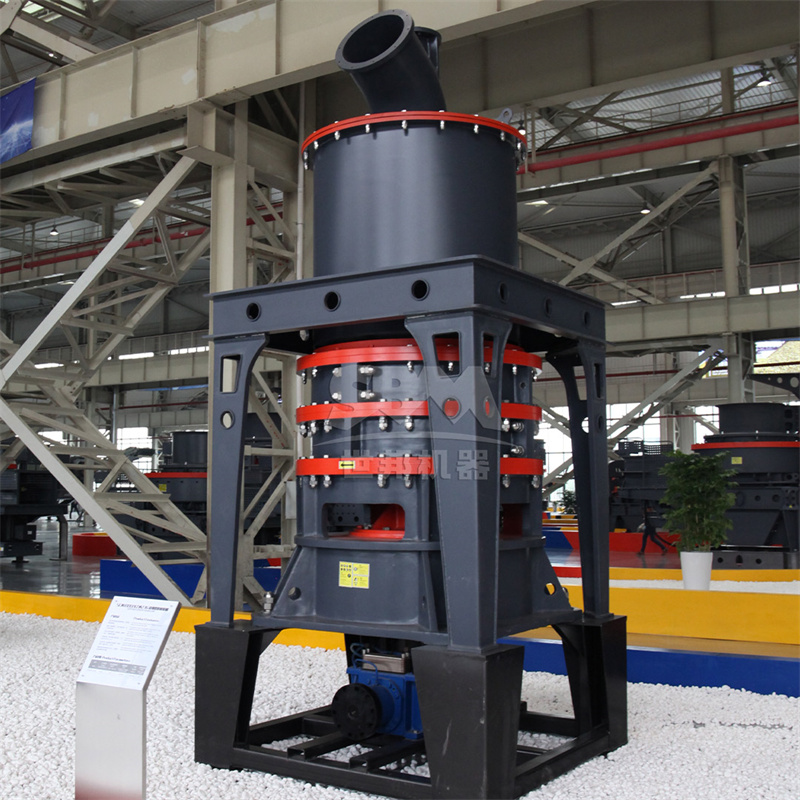
Outstanding Performance Characteristics:
- Fineness Range: 325–2500 mesh, with precise adjustment to meet any rubber formulation requirement.
- Capacity: 0.5–25 t/h depending on model, scalable to match production needs.
- Feed Size: ≤20 mm, compatible with standard pre-crushing circuits.
Technical Advantages for Talc Processing:
1. High Efficiency and Energy Savings: The SCM mill delivers twice the capacity of conventional jet mills while consuming 30% less energy. For talc processors, this translates directly to lower production costs per ton and a competitive advantage in pricing rubber-grade talc.
2. Precision Classification: The vertical turbine classifier achieves exact particle size cutting, eliminating coarse powder contamination. This ensures uniform finished product quality—critical for consistent rubber compound performance. The intelligent control system provides automatic feedback on finished product granularity, maintaining target specifications without constant operator attention.
3. Durable Construction: Special material rollers and grinding rings extend service life several times over compared to standard components. The shaftless screw grinding chamber ensures stable operation even under continuous, heavy-duty cycles. For talc processors, this means reduced maintenance costs and higher uptime.
4. Environmental Compliance: The pulse dust collection system exceeds international standards, capturing fine talc particles that would otherwise be released. The soundproof room design ensures noise levels remain within regulatory limits, creating a safer and more comfortable working environment.
Working Principle: The main motor drives three layers of grinding rings to rotate. Material is dispersed into the grinding path by centrifugal force, crushed by roller pressure, and ground layer by layer. The cyclone collector and pulse dust removal system complete powder collection efficiently.
Available Models:
| Model | Capacity (t/h) | Main Power (kW) | Fineness (mesh) |
|---|---|---|---|
| SCM800 | 0.5–4.5 | 75 | 325–2500 |
| SCM900 | 0.8–6.5 | 90 | 325–2500 |
| SCM1000 | 1.0–8.5 | 132 | 325–2500 |
| SCM1250 | 2.5–14 | 185 | 325–2500 |
| SCM1680 | 5.0–25 | 315 | 325–2500 |
Recommended Solution: MTW Series European Trapezium Mill for High-Capacity Production
For large-scale talc processing operations requiring high throughput at medium to fine fineness levels (30–325 mesh), the MTW Series European Trapezium Mill offers an ideal combination of capacity, efficiency, and reliability. This mill is particularly well-suited for producing standard rubber-grade talc additives where production volume and cost efficiency are paramount.
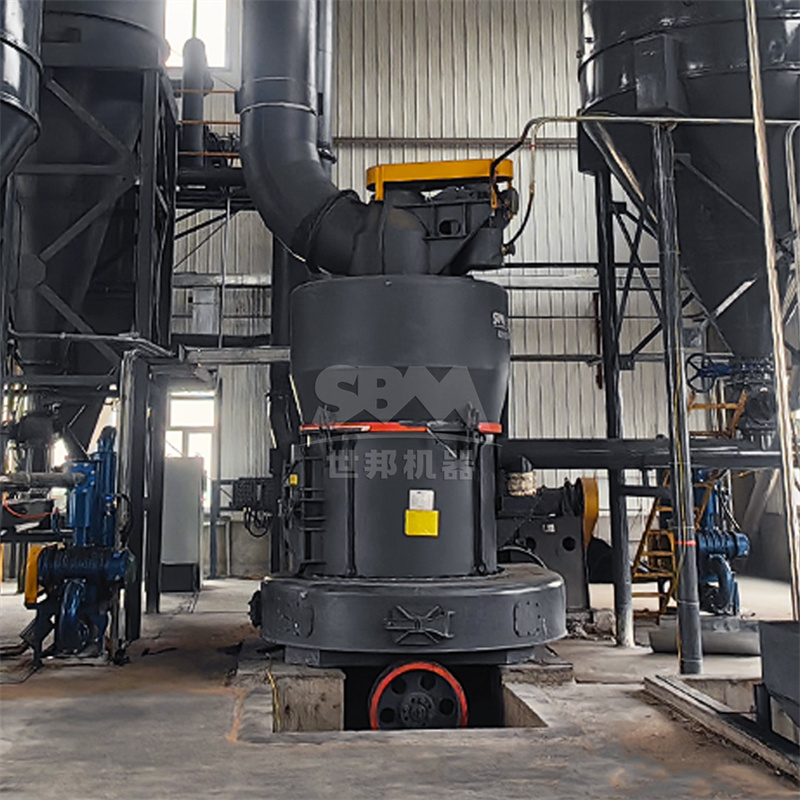
Core Parameters:
- Input Size: ≤50 mm
- Output Fineness: 30–325 mesh (down to 0.038 mm)
- Capacity: 3–45 t/h depending on model
Technical Advantages for Talc Processing:
1. Anti-wear Shovel Design: Combined shovel blades with a curved profile reduce maintenance costs and extend grinding roller life. In talc processing, where continuous operation is essential, this durability translates to fewer stoppages and lower spare parts consumption.
2. Optimized Arc Air Duct: The curved air duct design reduces airflow energy loss and improves transmission efficiency. High-strength guard plates protect the air duct working surface, ensuring long-term stable performance. This is particularly beneficial when grinding talc, as the lamellar structure requires efficient air classification to preserve platelet morphology.
3. Integral Bevel Gear Drive: Transmission efficiency reaches up to 98%, saving space and reducing installation costs. The direct drive system ensures reliable power transmission with minimal losses.
4. Wear-resistant Volute Structure: The non-resistance flow design improves air selection efficiency, while maintenance costs are reduced by 30%. For talc processors, this means more consistent product quality and lower total cost of ownership.
Working Principle: The main motor drives the grinding rollers to revolve around the central axis while self-rotating to generate centrifugal force. Shovels throw material between the ring and rollers to form a material layer, achieving efficient crushing through extrusion. The classification system precisely controls finished product size.
Selected Models:
| Model | Capacity (t/h) | Main Power (kW) | Fineness (mesh) |
|---|---|---|---|
| MTW110 | 3–9 | 55 | 10–325 |
| MTW138Z | 6–17 | 90 | 10–325 |
| MTW175G | 9.5–25 | 160 | 10–325 |
| MTW215G | 15–45 | 280 | 10–325 |
Complementary Equipment for a Complete Processing Line
A complete talc processing solution for rubber additives typically includes several stages: primary crushing, grinding, classification, collection, and packaging. Depending on the specific requirements, additional equipment may be recommended:
Hammer Mill (0–3 mm): For pre-crushing talc lumps to a consistent feed size before grinding. With models ranging from 8 t/h to 70 t/h capacity, these mills provide reliable primary size reduction with low investment cost and compact footprint.
LUM Ultrafine Vertical Roller Mill: For applications demanding the finest possible talc powder (325–2500 mesh). This mill features a unique roller/liner curve design for efficient grinding and multi-rotor classification technology that eliminates coarse particles. Ideal for producing premium-grade talc for specialty rubber products.
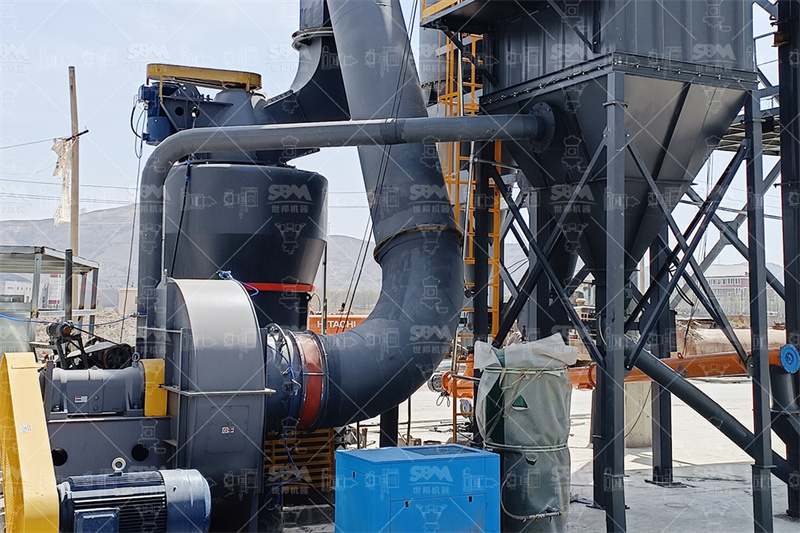
MRN Pendulum Mill: Offering feed sizes up to 50 mm and fineness from 30 to 325 mesh with capacities from 2.7 to 83 TPH, this mill features thin oil lubrication for maintenance-free operation and an efficient pulse dust collector for eco-friendly performance.
Conclusion: Choosing the Right Partner for Your Talc Processing Needs
The rubber industry’s demand for high-quality talc additives continues to grow, driven by the need for lighter, stronger, and more durable rubber products. Meeting this demand requires processing equipment that delivers precise particle size control, high capacity, energy efficiency, and environmental compliance—all at a competitive cost.
Our SCM Series Ultrafine Mill and MTW Series European Trapezium Mill represent the best-in-class solutions for talc processors serving the rubber industry. The SCM mill excels in producing ultra-fine grades with unmatched precision and efficiency, while the MTW mill offers superior capacity for standard grades. Together with complementary equipment such as hammer mills, LUM vertical mills, and MRN pendulum mills, we provide complete, customized processing lines tailored to your specific raw material characteristics, capacity requirements, and product specifications.
We invite you to contact our technical team to discuss your talc processing project. Our engineers will work with you to design the optimal solution—from single equipment selection to complete turnkey plants—ensuring your investment delivers maximum return and your products meet the exacting standards of the rubber industry.
For more information on our complete range of milling and processing equipment for talc and other industrial minerals, please visit our website or contact our sales department directly.