
Introduction: The Critical Role of Titanium Additives in Rubber Formulations
Titanium dioxide (TiO₂) is one of the most indispensable additives in the rubber industry. Whether used as a whitening agent, a UV stabilizer, or a reinforcing filler, the performance of TiO₂ depends heavily on its particle size distribution, dispersion quality, and surface characteristics. For rubber products ranging from white-sidewall tires and footwear to silicone seals and industrial hoses, the quality of the titanium additive directly influences opacity, weathering resistance, tensile strength, and color consistency.
However, producing titanium additives with the right fineness and uniformity is not simply a matter of sourcing raw material. It requires precision grinding equipment capable of delivering consistent particle size reduction, minimal contamination, and high throughput. This buyer’s guide walks you through the key considerations for selecting a grinding mill for titanium additives in rubber products and highlights two industry-leading solutions: the SCM Series Ultrafine Mill and the MTW Series European Trapezium Mill.
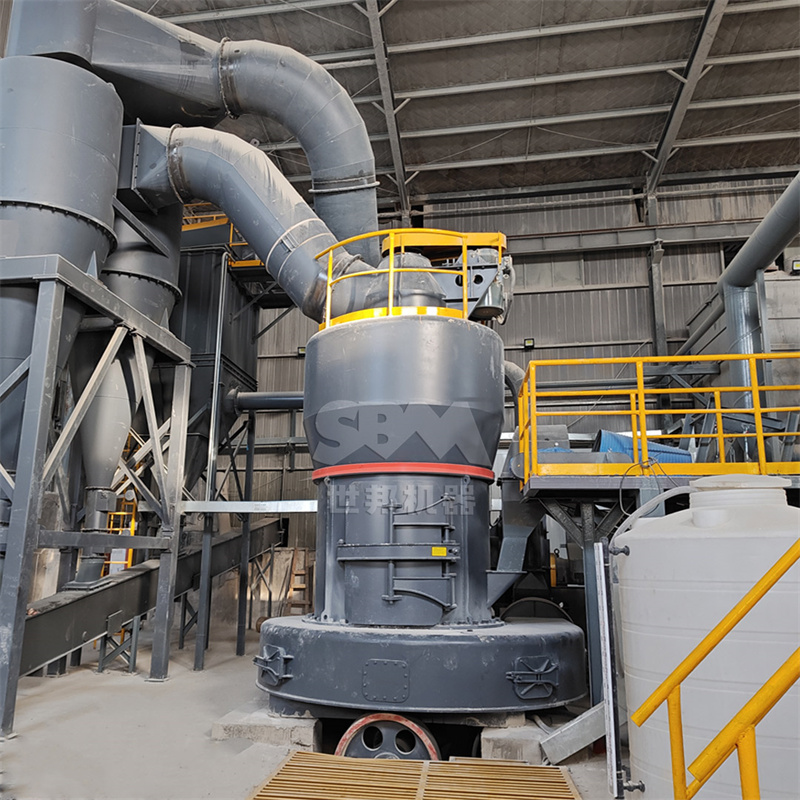
Why Titanium Additives Demand Specialized Grinding
Titanium dioxide destined for rubber applications must meet several strict criteria:
- Controlled Particle Size: Typically between 0.2 and 1.0 μm for optimal opacity and UV protection. Coarser particles reduce hiding power, while excessively fine particles may cause agglomeration and poor dispersion.
- Narrow Particle Size Distribution: Uniformity is critical. A wide distribution leads to inconsistent color and mechanical properties in the final rubber product.
- Low Contamination: Iron and other metal contamination can discolor the rubber and accelerate aging. The grinding system must minimize wear-induced contamination.
- High Chemical Purity: Additives must not introduce reactive species that interfere with vulcanization or curing.
- Thermal Stability: Grinding should not generate excessive heat that alters the surface chemistry of TiO₂.
These requirements rule out many general-purpose mills. Instead, buyers should focus on ultrafine grinding technologies with precise classification, robust wear protection, and efficient dust collection.
Key Selection Criteria for Grinding Mills
1. Output Fineness and Adjustability
The mill must achieve the target fineness—typically 325 to 2500 mesh—and allow easy adjustment. For rubber-grade TiO₂, a fineness of 800–1500 mesh is often ideal, but different formulations may demand finer or slightly coarser powder.
2. Capacity and Scalability
Production scale varies from small batch operations to continuous large-scale plants. The mill should offer models that match your current capacity while allowing future expansion. Capacities ranging from 0.5 t/h to 25 t/h or more are common in this sector.
3. Energy Efficiency
Grinding is energy-intensive. A mill that consumes 30% less energy than alternatives can significantly reduce operational costs over years of production.
4. Wear Resistance and Maintenance
Titanium dioxide is abrasive. Grinding rollers, rings, and liners must be made from wear-resistant materials to ensure long service life and minimal downtime.
5. Classification Precision
An integrated high-precision classifier ensures that no coarse particles contaminate the finished product. This is especially important for rubber applications where a single oversized particle can create a visible defect.
6. Environmental Compliance
Dust emissions must be controlled. Pulse dust collection systems and negative-pressure operation are essential for meeting environmental regulations and protecting worker health.
7. Automation and Control
Intelligent control systems that provide real-time feedback on particle size and automatically adjust parameters reduce manual intervention and ensure consistent quality.
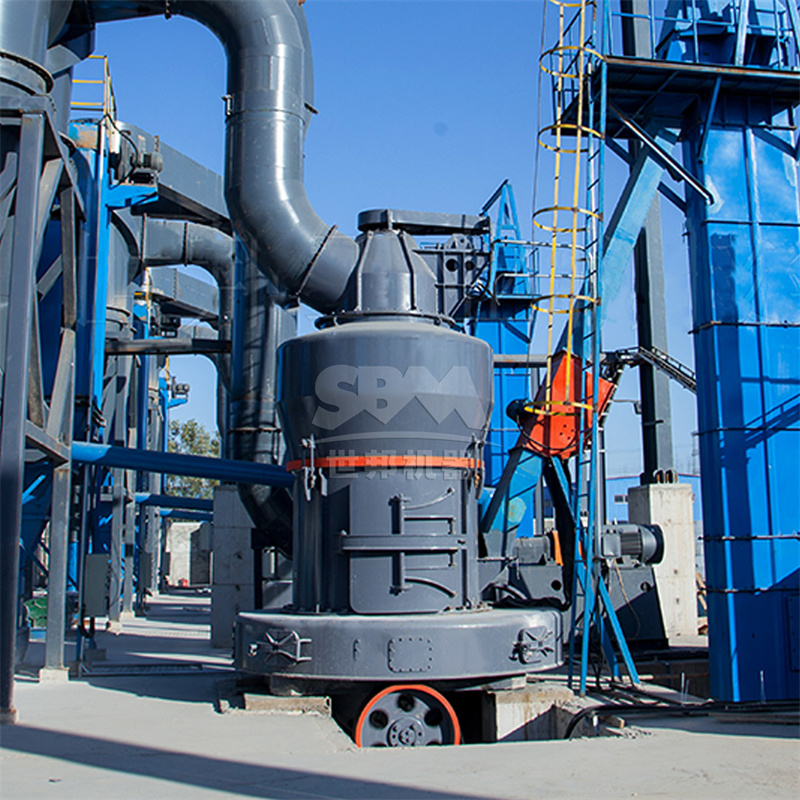
Recommended Solution 1: SCM Series Ultrafine Mill
For manufacturers seeking ultrafine titanium additives with exceptional precision, the SCM Series Ultrafine Mill is a top-tier choice. Designed for output fineness between 325 and 2500 mesh, this mill delivers the narrow particle size distribution and high purity that rubber formulations demand.
Technical Highlights
- High Efficiency & Energy Saving: Capacity is twice that of jet mills, with 30% lower energy consumption. The intelligent control system provides automatic finished product granularity feedback, ensuring consistent output.
- High-Precision Classification: A vertical turbine classifier achieves precise particle size cutting, eliminating coarse powder mixing and guaranteeing uniform finished products.
- Durable Design: Special material rollers and rings extend service life several times over. The shaftless screw grinding chamber ensures stable operation even under continuous heavy loads.
- Eco-friendly & Low Noise: Pulse dust collection efficiency exceeds international standards, and the soundproof room design keeps noise levels well within acceptable limits.
Working Principle
The main motor drives three layers of grinding rings to rotate. Materials are dispersed into the grinding path by centrifugal force, crushed by roller pressure, and ground layer by layer. Finally, powder collection is completed by a cyclone collector and a pulse dust removal system.
Models & Specifications
- SCM800: Capacity 0.5–4.5 t/h | Main Power 75 kW | Feed Size 0–20 mm | Fineness 325–2500 mesh
- SCM900: Capacity 0.8–6.5 t/h | Main Power 90 kW | Feed Size 0–20 mm | Fineness 325–2500 mesh
- SCM1000: Capacity 1.0–8.5 t/h | Main Power 132 kW | Feed Size 0–20 mm | Fineness 325–2500 mesh
- SCM1250: Capacity 2.5–14 t/h | Main Power 185 kW | Feed Size 0–20 mm | Fineness 325–2500 mesh
- SCM1680: Capacity 5.0–25 t/h | Main Power 315 kW | Feed Size 0–20 mm | Fineness 325–2500 mesh
With its combination of ultrafine grinding capability, energy efficiency, and robust construction, the SCM Series is particularly well-suited for producing high-quality titanium additives for white and light-colored rubber products.
Recommended Solution 2: MTW Series European Trapezium Mill
For operations that require higher capacity and slightly coarser to medium-fine grinding, the MTW Series European Trapezium Mill offers an excellent balance of performance, durability, and cost-efficiency. With output fineness from 30 to 325 mesh (down to 0.038 mm), it is ideal for producing titanium additives for rubber products where a moderate fineness is acceptable, or for pre-grinding before ultrafine processing.
Technical Highlights
- Anti-wear Shovel Design: Combined shovel blades reduce maintenance costs, while the curved design extends grinding roller life.
- Optimized Arc Air Duct: Reduces airflow energy loss and improves transmission efficiency. High-strength guard plates protect the air duct working surface.
- Integral Bevel Gear Drive: Transmission efficiency up to 98%, saving space and reducing installation costs.
- Wear-resistant Volute Structure: Non-resistance flow design improves air selection efficiency, and maintenance costs are reduced by 30%.
Working Principle
The main motor drives the grinding rollers to revolve around the central axis while self-rotating to generate centrifugal force. Shovels throw materials between the ring and rollers to form a material layer, achieving efficient crushing through extrusion. The classification system precisely controls the finished product size.
Models & Specifications (Selected)
- MTW110: Capacity 3–9 t/h | Main Power 55 kW | Feed Size <30 mm | Fineness 10–325 mesh
- MTW138Z: Capacity 6–17 t/h | Main Power 90 kW | Feed Size <35 mm | Fineness 10–325 mesh
- MTW175G: Capacity 9.5–25 t/h | Main Power 160 kW | Feed Size <40 mm | Fineness 10–325 mesh
- MTW215G: Capacity 15–45 t/h | Main Power 280 kW | Feed Size <50 mm | Fineness 10–325 mesh
- MRN158: Capacity 7–21 t/h | Main Power 132 kW | Feed Size <40 mm | Fineness 10–325 mesh
- MRN198: Capacity 12–33 t/h | Main Power 220 kW | Feed Size <45 mm | Fineness 10–325 mesh
- MRN218: Capacity 15–45 t/h | Main Power 280 kW | Feed Size <50 mm | Fineness 10–325 mesh
The MTW Series is patented technology with independent intellectual property rights, featuring an internal suction oil lubrication system and internationally advanced pulse dust removal technology. It is an ideal choice for rubber additive producers who need reliable, high-capacity grinding with moderate fineness requirements.
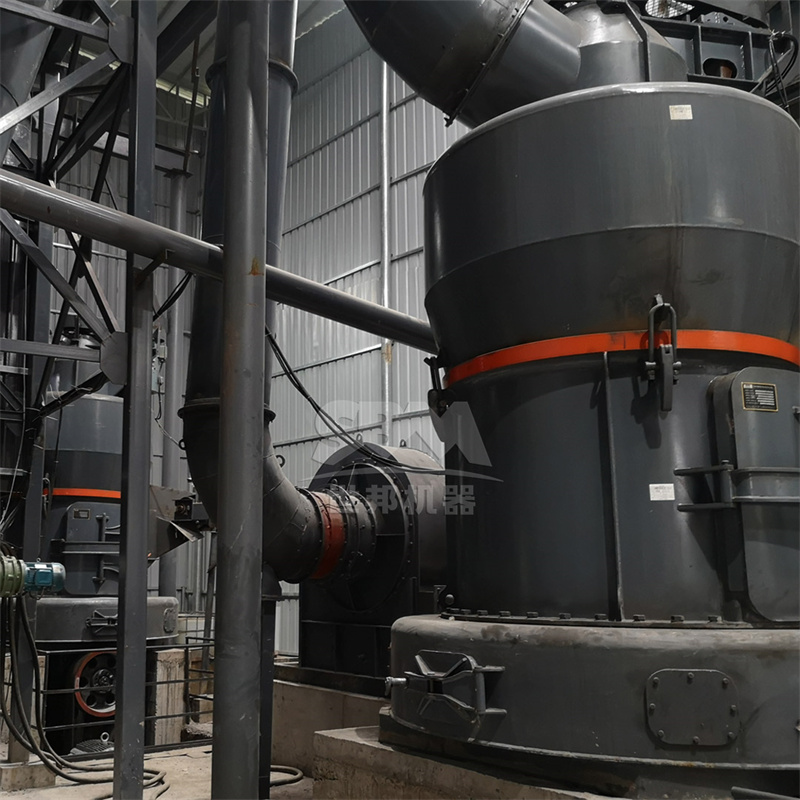
Comparing the Two Solutions
| Feature | SCM Series Ultrafine Mill | MTW Series European Trapezium Mill |
|---|---|---|
| Output Fineness | 325–2500 mesh | 30–325 mesh |
| Capacity Range | 0.5–25 t/h | 3–45 t/h |
| Best For | Ultrafine, high-precision TiO₂ | Medium-fine, high-capacity production |
| Energy Efficiency | 30% lower than jet mills | Optimized airflow, low loss |
| Classification | Vertical turbine, high precision | Precise, volute structure |
| Wear Protection | Special material rollers/rings | Anti-wear shovel, curved rollers |
| Automation | Intelligent granularity feedback | Advanced control options |
Installation and Operational Considerations
When integrating a grinding mill into your titanium additive production line, consider the following:
- Feed Preparation: Ensure raw TiO₂ is pre-crushed to the mill’s maximum feed size (typically ≤20–50 mm). A hammer mill or jaw crusher may be required upstream.
- Dust Collection: Both SCM and MTW mills come with pulse dust collection, but you should verify that the system matches your local emission standards.
- Material Handling: Pneumatic conveying or screw conveyors should be designed to minimize contamination and segregation.
- Quality Control: Install inline particle size analyzers to monitor output and adjust mill parameters in real time.
- Maintenance Schedule: Even with wear-resistant materials, regular inspection of rollers, rings, and liners is essential. Keep spare parts on hand to avoid prolonged downtime.
Conclusion: Choosing the Right Mill for Your Rubber Additive Production
Titanium additives are critical to the performance and appearance of rubber products. Selecting the right grinding mill is a strategic decision that affects product quality, production cost, and environmental compliance. The SCM Series Ultrafine Mill excels in producing ultrafine, high-precision TiO₂ for premium rubber applications, while the MTW Series European Trapezium Mill offers high capacity and durability for medium-fine grinding. Both are backed by patented technology and robust after-sales support.
By carefully evaluating your fineness requirements, capacity targets, and budget, you can choose the mill that will keep your titanium additive production efficient, consistent, and profitable for years to come.