
Introduction: The Critical Role of Titanium Dioxide Matting Agents in Chemical Fibers
In the production of synthetic fibers such as polyester, nylon, and acrylic, the control of surface gloss is a critical quality parameter. Titanium dioxide (TiO2) is widely used as a delustering agent to reduce the undesirable sheen of synthetic filaments, imparting a more natural, cotton-like appearance. However, the performance of TiO2 as a matting agent depends heavily on its particle size distribution, dispersion uniformity, and chemical purity. Inadequate milling can lead to agglomerates that clog spinnerets, cause surface defects, and reduce fiber strength. Therefore, selecting the right milling system for titanium matting agent production is not merely a matter of size reduction—it is a strategic decision that impacts product quality, production efficiency, and operational cost.
Key Requirements for Milling Titanium Matting Agents
Titanium dioxide destined for chemical fiber delustering must meet stringent specifications. Typical requirements include:
- Fineness: Generally between 0.2 and 0.5 μm (approximately 1250–2500 mesh) to ensure optimal light scattering and minimal impact on fiber tensile properties.
- Narrow Particle Size Distribution: Coarse particles above 1 μm can cause spinneret blockage, while ultrafine particles may reduce opacity. A sharp cut point is essential.
- Low Contamination: Iron and other metallic impurities must be minimized to prevent discoloration and catalytic degradation of the polymer.
- High Dispersion Stability: The milling process should not introduce agglomerates that are difficult to disperse in the polymer melt.
- Energy Efficiency: Given the high volume of TiO2 used in fiber production, milling costs directly affect profitability.
These requirements demand a milling system that combines precise classification, gentle grinding, and robust contamination control. Among the various mill types available—jet mills, ball mills, Raymond mills, and vertical roller mills—not all are equally suited for this application.
Comparative Analysis of Milling Technologies for TiO2 Delustering Agents
Jet Mills: High Precision but High Energy Consumption
Jet mills, particularly fluidized bed opposed jet mills, are capable of producing very fine particles (d50 < 1 μm) with minimal contamination because they rely on particle-on-particle impact rather than grinding media. However, their energy consumption is notoriously high—often 2–3 times that of mechanical mills for the same capacity. Additionally, jet mills require a compressed air supply, which adds to capital and operating costs. For large-scale TiO2 matting agent production, jet mills are often economically unviable.
Ball Mills: Versatile but Inefficient for Ultrafine Grinding
Ball mills are widely used in mineral processing and can handle large capacities. They are robust and can grind to relatively fine sizes, but achieving a narrow particle size distribution below 1 μm is challenging. The grinding action is random, leading to over-grinding and a wide distribution. Moreover, ball mills are energy-intensive and generate significant noise and heat. For high-quality delustering agents, ball mills are generally not the first choice unless combined with a precise air classifier.
Vertical Roller Mills: An Emerging Alternative
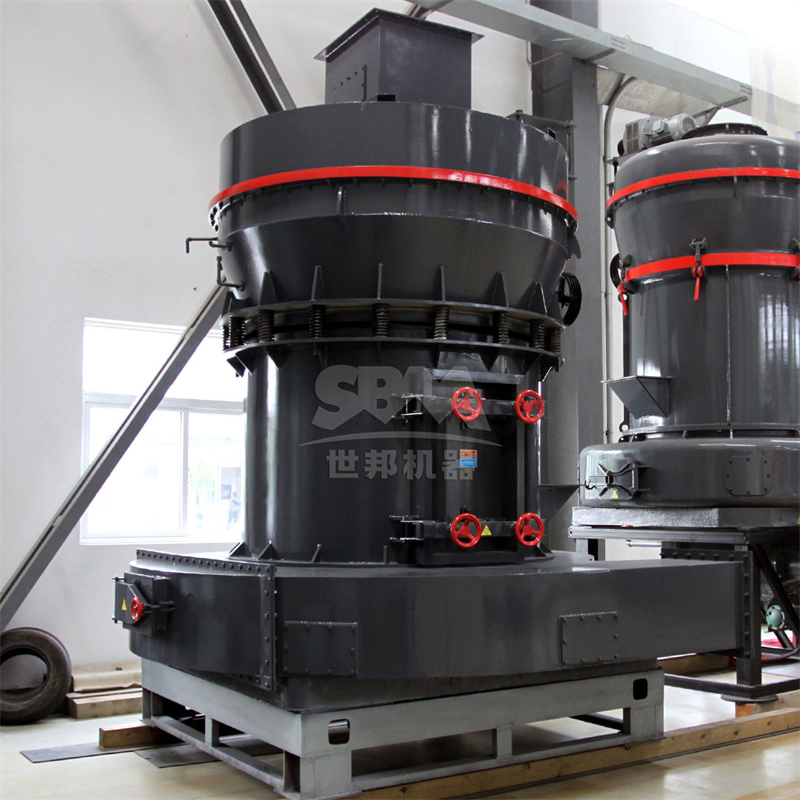
Vertical roller mills (VRMs) have gained popularity in cement and mineral industries due to their low energy consumption and compact footprint. They can produce fine powders with a relatively narrow distribution when equipped with high-efficiency classifiers. However, VRMs are typically used for products down to 45 μm (325 mesh). For titanium matting agents requiring 0.2–0.5 μm (1250–2500 mesh), standard VRMs may not achieve the necessary fineness without multiple passes, and wear on the grinding table and rollers can introduce contamination.
Ultrafine Mechanical Mills with Integrated Classifiers
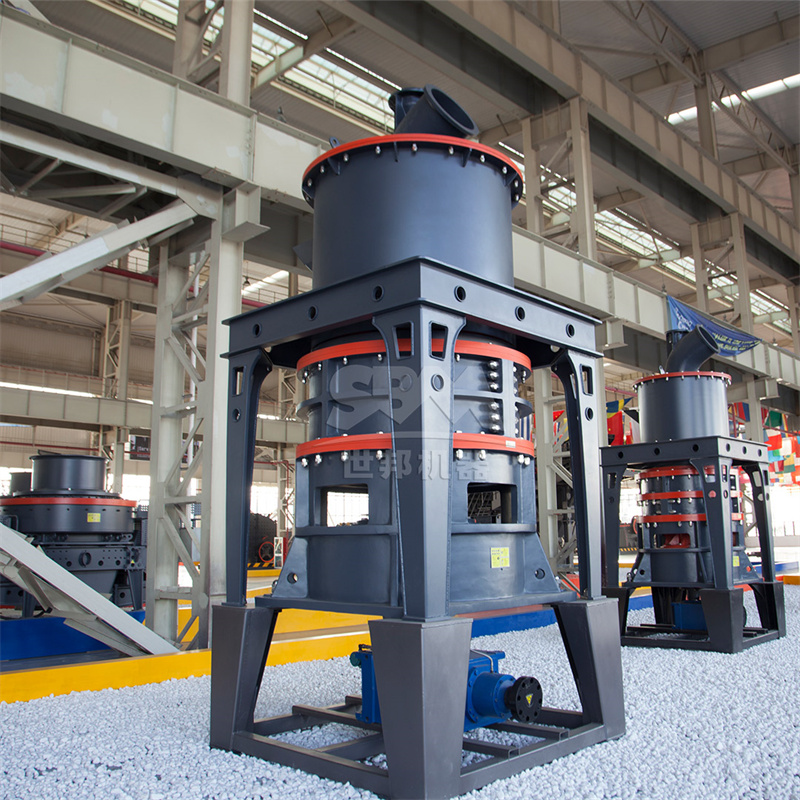
The most promising solution for TiO2 matting agents is a mechanical mill that combines grinding and dynamic classification in a single unit. These systems, such as the SCM Series Ultrafine Mill, use high-speed rotating grinding rings and rollers to create a bed of particles that undergo compressive and shear forces. An integrated turbine classifier ensures that only particles below a set cut point leave the mill, while oversize particles are returned for further grinding. This design achieves high fineness (down to 5 μm or even sub-micron) with significantly lower energy consumption than jet mills and better distribution control than ball mills.
Product Recommendation: SCM Series Ultrafine Mill for Titanium Matting Agents
For manufacturers of titanium dioxide delustering agents for chemical fibers, we strongly recommend the SCM Series Ultrafine Mill. This mill is specifically designed for ultrafine grinding and classification of materials with Mohs hardness up to 7, making it ideal for TiO2 (Mohs 5.5–6.5).
Core Parameters
- Input Size: ≤20 mm
- Output Fineness: 325–2500 mesh (adjustable)
- Capacity: 0.5–25 ton/h (depending on model)
Technical Advantages for TiO2 Matting Agent Production
- High Efficiency & Energy Saving: Capacity is twice that of a jet mill of comparable fineness, while energy consumption is 30% lower. This directly reduces the cost per ton of matting agent.
- High-Precision Classification: The vertical turbine classifier provides precise particle size cutting, ensuring no coarse powder mixing. This eliminates spinneret blockage and improves fiber quality.
- Durable Design: Special material rollers and rings extend service life several times over, reducing maintenance downtime and contamination risk. The shaftless screw grinding chamber ensures stable operation even at high speeds.
- Eco-friendly & Low Noise: Pulse dust collection efficiency exceeds international standards, and the soundproof room design keeps noise levels low—a critical factor for indoor production environments.
Working Principle
The main motor drives three layers of grinding rings to rotate. Materials are dispersed into the grinding path by centrifugal force, crushed by roller pressure, and ground layer by layer. Finally, powder collection is completed by a cyclone collector and a pulse dust removal system. This dry process is well-suited for TiO2, which is typically processed in powder form.
Models & Specifications
| Model | Capacity (t/h) | Main Power (kW) | Feed Size (mm) | Fineness (mesh) |
|---|---|---|---|---|
| SCM800 | 0.5–4.5 | 75 | 0–20 | 325–2500 |
| SCM900 | 0.8–6.5 | 90 | 0–20 | 325–2500 |
| SCM1000 | 1.0–8.5 | 132 | 0–20 | 325–2500 |
| SCM1250 | 2.5–14 | 185 | 0–20 | 325–2500 |
| SCM1680 | 5.0–25 | 315 | 0–20 | 325–2500 |
For most TiO2 matting agent applications, the SCM800 or SCM900 models are sufficient for pilot to medium-scale production, while the SCM1250 and SCM1680 are suitable for large-scale fiber plants.
Alternative Option: LUM Ultrafine Vertical Roller Mill for High-Capacity Needs
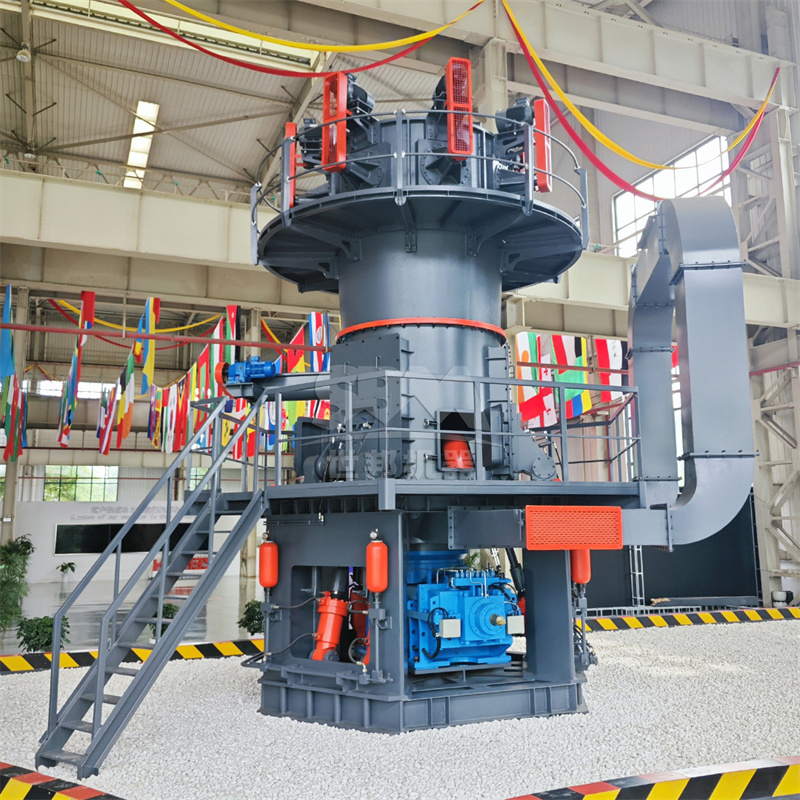
If your production scale exceeds 10 tons per hour and you require a more compact footprint, the LUM Ultrafine Vertical Roller Mill is an excellent alternative. This mill integrates grinding, classification, and conveying into one vertical unit, reducing floor space by up to 50% compared to horizontal systems.
Key Features for TiO2 Matting Agents
- Efficient Grinding: Unique roller and liner curves improve grinding efficiency and reduce specific energy consumption.
- Precise Classifying: Multi-rotor classifier technology ensures no coarse particles, achieving fineness up to 2500 mesh.
- Smart Control: PLC automation for stable running, with real-time adjustment of classifier speed to maintain target particle size.
- Environmental Compliance: Negative pressure operation with no dust leakage, meeting stringent workplace safety standards.
Models
| Model | Power (kW) | Capacity (t/h) | Fineness (μm) |
|---|---|---|---|
| LUM1525 | 220–250 | 1.6–11.5 | 5–30 |
| LUM1632 | 280–315 | 2–13.5 | 5–30 |
| LUM1836 | 355–400 | 2.3–15 | 5–30 |
Note that the LUM series produces a slightly broader distribution than the SCM series. For critical fiber applications where a very narrow distribution is mandatory, the SCM series remains the preferred choice.
Selection Criteria: Matching Mill to Production Scale and Quality Demands
When choosing between the SCM and LUM series, consider the following factors:
- Target Fineness: For d50 below 0.5 μm (2500 mesh), the SCM series offers better control and higher yield. For d50 around 1–2 μm (1250–2500 mesh), both are suitable.
- Capacity: The LUM series is available in models up to 15 t/h, while the SCM series goes up to 25 t/h. For very large plants, multiple SCM units or a single LUM1836 may be optimal.
- Space Constraints: The LUM series has a smaller footprint and can be installed outdoors, reducing building costs.
- Contamination Sensitivity: The SCM series uses a shaftless screw grinding chamber and special wear-resistant materials, minimizing metal contamination. The LUM series also uses ceramic or special alloy liners, but the vertical design may generate slightly more wear due to the grinding bed.
- Energy Cost: Both are energy-efficient compared to jet mills, but the SCM series has a slight edge in specific energy consumption for ultrafine grinding.
In practice, many TiO2 producers use a two-stage approach: a hammer mill or ball mill for pre-grinding to 100–200 mesh, followed by an SCM or LUM mill for final ultrafine grinding. This hybrid configuration reduces the load on the ultrafine mill and extends wear part life.
Conclusion: Investing in the Right Milling System for Competitive Advantage
The production of titanium dioxide matting agents for chemical fibers is a demanding application that requires a careful balance of fineness, purity, and cost. While jet mills offer precision, their high energy consumption makes them less attractive for large-scale production. Ball mills are robust but struggle with narrow distribution requirements. The SCM Series Ultrafine Mill and LUM Ultrafine Vertical Roller Mill represent the state of the art in mechanical ultrafine grinding, delivering the particle size control, energy efficiency, and reliability needed to produce high-quality delustering agents.
By selecting the appropriate model from our SCM or LUM series, manufacturers can achieve consistent product quality, reduce downtime, and lower operating costs—ultimately gaining a competitive edge in the global fiber market. For detailed specifications and a customized recommendation based on your raw material and capacity needs, please consult our technical team.