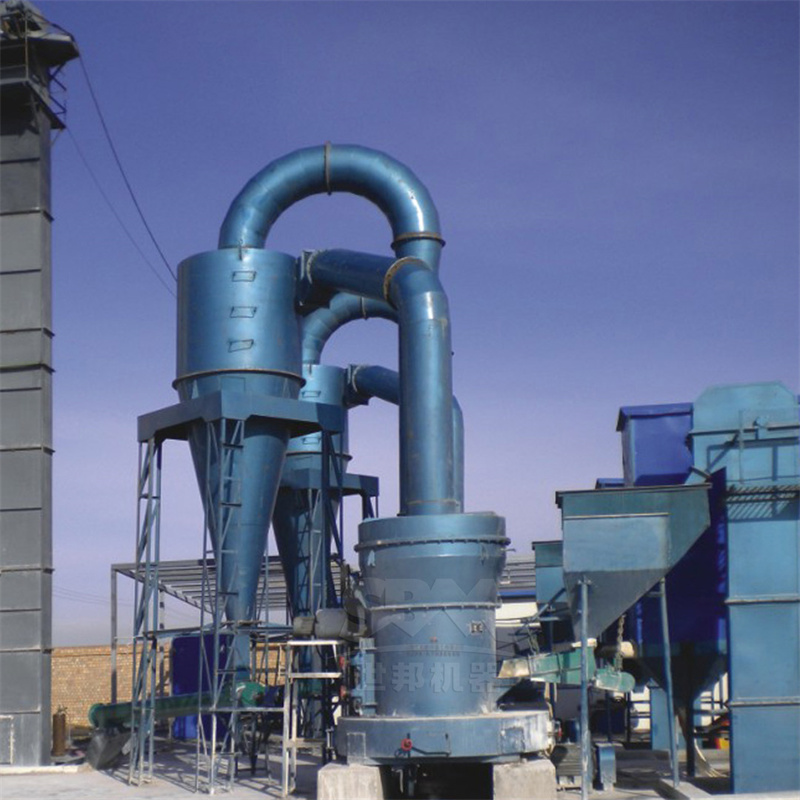
1. Introduction to Purification and Activated Carbon Processing
In modern industrial operations, purification equipment and activated carbon processing systems play a critical role in ensuring product quality, environmental compliance, and operational efficiency. Activated carbon is widely used for air and water treatment, solvent recovery, and gas purification due to its high adsorption capacity. However, the effectiveness of activated carbon depends heavily on the quality of its processing—particularly the grinding and classification stages that determine particle size and surface area. This guide provides a comprehensive overview of selecting, operating, and maintaining purification and activated carbon processing equipment, with a focus on mill technologies that are essential for producing high-performance activated carbon powders.
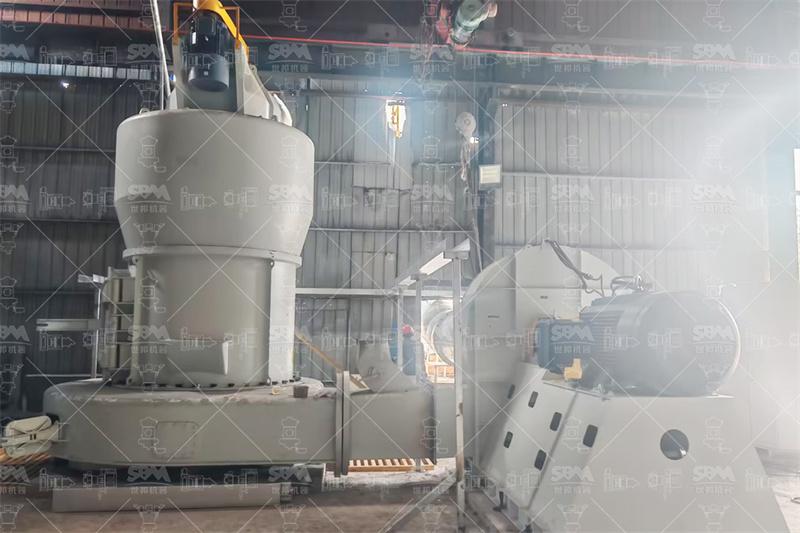
2. Key Considerations for Equipment Selection
Selecting the right equipment for activated carbon processing involves evaluating several critical factors:
- Feed Size and Hardness: Activated carbon feed materials often range from 0-20 mm to 0-50 mm. Materials with higher hardness require mills with robust grinding mechanisms, such as vertical roller mills or trapezium mills.
- Target Fineness: For purification applications, activated carbon powders typically need a fineness between 45 μm and 2500 mesh (5 μm). The choice between ultrafine mills and medium-speed mills depends on the required particle size distribution.
- Capacity Requirements: Throughput needs vary from 0.5 t/h for small-scale operations to 250 t/h for large industrial plants. Matching the mill’s capacity to your production goals prevents bottlenecks and reduces energy waste.
- Energy Efficiency and Operating Cost: Look for equipment with lower energy consumption per ton of product. For instance, vertical roller mills consume 30-40% less energy than traditional ball mills.
- Environmental Compliance: Ensure the equipment integrates with pulse dust collectors and operates under negative pressure to minimize dust emissions and meet stringent environmental standards.
Our LUM Ultrafine Vertical Roller Mill is an excellent choice for activated carbon processing, offering high-efficiency grinding with a fineness range of 325-2500 mesh (5-30 μm). It features a multi-rotor classifier that ensures precise particle size control, a PLC automation system for stable operation, and a fully sealed negative-pressure design that prevents dust leakage. The LUM series is available in models LUM1525, LUM1632, and LUM1836, with capacities from 1.6 to 15 t/h and powers from 220 to 400 kW. This mill is designed to deliver consistent product quality while reducing energy costs and maintenance downtime.
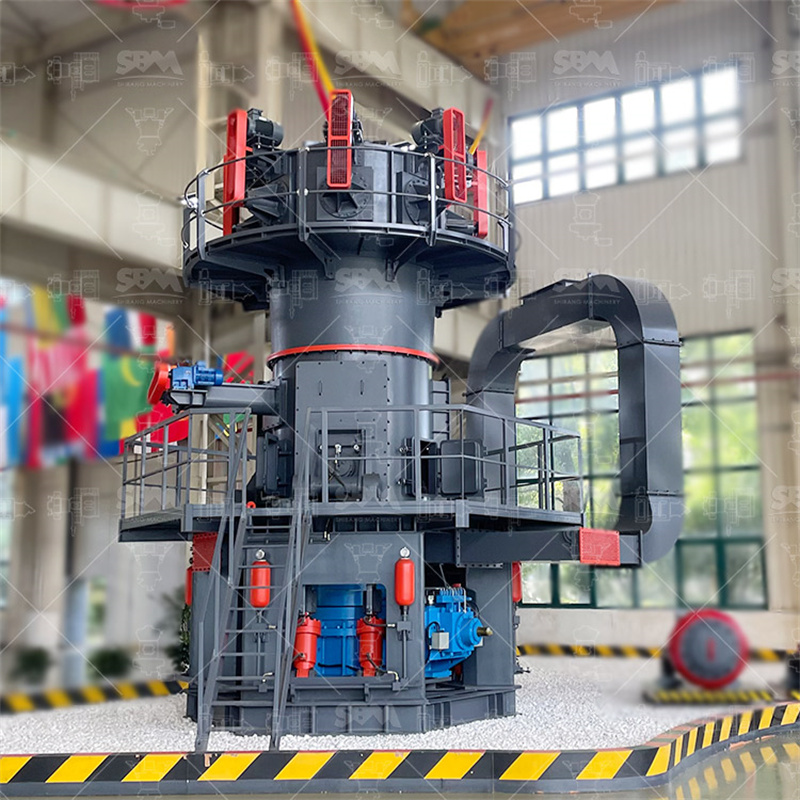
3. Working Principles of Activated Carbon Mills
Understanding the working principles of different mill types helps operators optimize performance and troubleshoot issues:
- SCM Series Ultrafine Mill (45-5 μm): This mill uses three layers of grinding rings that rotate at high speed. Materials are dispersed onto the grinding path by centrifugal force, crushed by roller pressure, and ground layer by layer. A vertical turbine classifier ensures precise particle size cutting, with no coarse powder mixing. The SCM series achieves twice the capacity of jet mills with 30% lower energy consumption, making it ideal for ultra-fine activated carbon powders.
- MTW Series European Trapezium Mill (600-45 μm): The main motor drives grinding rollers that revolve around a central axis while self-rotating. Shovels throw materials between the rings and rollers to form a material layer, achieving efficient crushing through extrusion. An integral bevel gear drive provides up to 98% transmission efficiency. This mill is suitable for medium-fineness activated carbon with a capacity range of 3-45 t/h.
- LM Series Vertical Roller Mill (600-45 μm): Materials enter through the central feed port and spread evenly via centrifugal force. Grinding rollers apply pressure to crush the material layer, while hot air carries qualified fines to the classifier. Coarse powder returns to the table for re-grinding. The LM series integrates crushing, grinding, and selection in one system, reducing floor space by 50% and infrastructure costs by 40%.
4. Operation Best Practices
Proper operation of activated carbon processing equipment is essential to achieve desired fineness, maintain throughput, and extend equipment life. Follow these guidelines:
- Pre-Crushing: Ensure feed material does not exceed the mill’s maximum input size (e.g., ≤20 mm for SCM and LUM, ≤50 mm for MTW and LM). Use a hammer mill or jaw crusher for oversized materials to prevent damage to grinding elements.
- Adjusting Fineness: Utilize the classifier’s speed adjustment to control particle size. For example, in the MTW series, the classifier power ranges from 7.5 kW to 55 kW, allowing fine-tuning across a 10-325 mesh range. For ultra-fine applications (325-2500 mesh), the SCM or LUM mills are recommended.
- Monitoring Pressure and Temperature: Maintain negative pressure in the system to avoid dust leakage. Check the pulse dust collector’s operation regularly to ensure it functions efficiently, especially when processing fine powders that tend to clog filters.
- Material Layer Control: For vertical roller mills, maintain a proper material bed thickness on the grinding table. Too thin a layer causes vibration; too thick a layer reduces grinding efficiency. Use the hydraulic system to adjust roller pressure as needed.
- Feeding Consistency: Use reliable feeders (e.g., GZ series electromagnetic feeders) to ensure a uniform feed rate. Fluctuations in feed can cause mill instability and reduce product quality.
For those requiring high-capacity activated carbon production, we recommend the MTW215G or MRN218 (both with 15-45 t/h capacity and 280 kW main power). These models feature anti-wear shovel designs and optimized arc air ducts, which reduce airflow energy loss and extend grinding roller life. Their integral bevel gear drive systems offer transmission efficiency up to 98%, and the wear-resistant volute structure reduces maintenance costs by 30%. These mills are equipped with internationally advanced pulse dust removal technology, ensuring clean and eco-friendly operation.
5. Maintenance Strategies for Longevity and Performance
Regular maintenance is the backbone of reliable equipment performance. A well-planned maintenance program minimizes unplanned downtime and extends the service life of your purification and activated carbon processing equipment.
- Lubrication: Use the internal suction oil lubrication system in MTW mills to ensure continuous lubrication of gears and bearings. For pendulum mills like MRN, thin oil lubrication systems provide maintenance-free operation, reducing the need for frequent grease applications. Check oil levels and quality monthly.
- Wear Parts Inspection: Grinding rollers, rings, and shovels are subject to wear. The SCM series uses special material rollers and rings that extend service life several times over. However, inspect these parts every 500 operating hours for signs of wear. Replace combined shovel blades in MTW mills promptly to prevent damage to other components.
- Classifier and Air Duct Cleaning: The vertical turbine classifier in SCM mills and dynamic classifiers in LM mills can accumulate fine powder. Clean them periodically to maintain classification precision. For air ducts, check high-strength guard plates for integrity and replace if damaged.
- Dust Collector Maintenance: The pulse dust collection system is critical for environmental compliance. Inspect filter bags monthly, replace damaged ones, and ensure the pulse jet system operates correctly. Accumulated dust can reduce suction efficiency and increase pressure drop.
- Bearing and Gearbox Checks: Listen for abnormal noise from the main motor and gearbox. For LM mills, the modular grinding roller assembly quick-change system facilitates faster replacements. Check the reducer’s oil temperature and pressure weekly; high temperatures may indicate overloading or low lubrication.
- Vibration Monitoring: Use vibration sensors to monitor mill stability. Excessive vibration often indicates material layer issues, worn parts, or imbalanced rollers. Address these issues immediately to prevent structural damage.
6. Troubleshooting Common Issues
Even with proper maintenance, issues can arise. Here are common problems and solutions:
- Low Throughput: Often caused by insufficient feed or worn grinding elements. Check the feeder calibration and inspect rollers for wear. For SCM mills, ensure the grinding rings are not worn beyond tolerance.
- Product Too Coarse: This usually indicates a classifier speed set too low. Increase the classifier speed (for MTW, adjust from 7.5 kW to 55 kW depending on model). Also, check for air leaks in the system that could reduce the conveying velocity.
- Excessive Dust Emission: Inspect the pulse dust collector for faulty valves or torn filter bags. Ensure the system is operating under negative pressure; check fans and ductwork for blockages or leaks.
- High Energy Consumption: Over-grinding materials that are already fine wastes energy. Verify that the classifier is set to the desired fineness to avoid over-circulation. Also, consider using a pre-grinding mill like the LM-Y series to reduce load on the main mill.
- Vibration and Noise: For vertical mills, adjust the hydraulic pressure to stabilize the material layer. Check for foreign objects in the grinding chamber. The MTM series incorporates damping springs and sealing strips to reduce resonance, but these may need replacement over time.
7. Advanced Technologies and Innovations
Modern activated carbon processing equipment incorporates advanced technologies to improve efficiency and sustainability:
- Intelligent Control Systems: Mills like the LM series feature expert-level auto-control systems that support remote/local switching. These systems monitor parameters such as table speed, pressure, and temperature in real-time, reducing manual intervention and ensuring consistent product quality.
- Energy-Saving Hot Air Circulation: The LM series includes a hot air circulation energy-saving system that recovers waste heat, reducing overall energy consumption.
- Multi-Stage Classification: Dynamic classifiers with multi-stage adjustment technology (as in LM mills) allow operators to fine-tune fineness from 170-40 μm to 325-600 mesh for special models, providing greater flexibility.
- Eco-Friendly Design: All our mills are designed with fully sealed negative-pressure operation and pulse dust collection systems that exceed international emission standards. Soundproof rooms can be added to reduce noise levels below 85 dB(A).
In conclusion, selecting the right purification and activated carbon processing equipment is a strategic decision that impacts product quality, operational costs, and environmental responsibility. By understanding the working principles, following best practices, and implementing robust maintenance strategies, you can maximize the return on your investment. For ultra-fine applications, consider the SCM or LUM series; for medium-fineness, the MTW or LM series; and for high-throughput requirements, the MRN or MTW215G models. Our team of experts is available to assist you in choosing the optimal solution for your specific needs.