
Introduction to Putty Powder and Limestone Powder Production
The production of putty powder and limestone powder is a critical industrial process, underpinning the construction, paint, and chemical industries. Whether for interior wall finishing, crack repair, or as a functional filler in plastics and rubber, the quality of the final powder hinges entirely on the efficiency and precision of the milling equipment used. A complete processing plant must be capable of handling raw materials like limestone, gypsum, and cement, transforming them from large rocks into ultra-fine powders with consistent particle size distribution. This guide provides an in-depth look at the machinery and technology required to build a modern, high-yield, and energy-efficient production line.
Key Stages in the Processing Plant Workflow
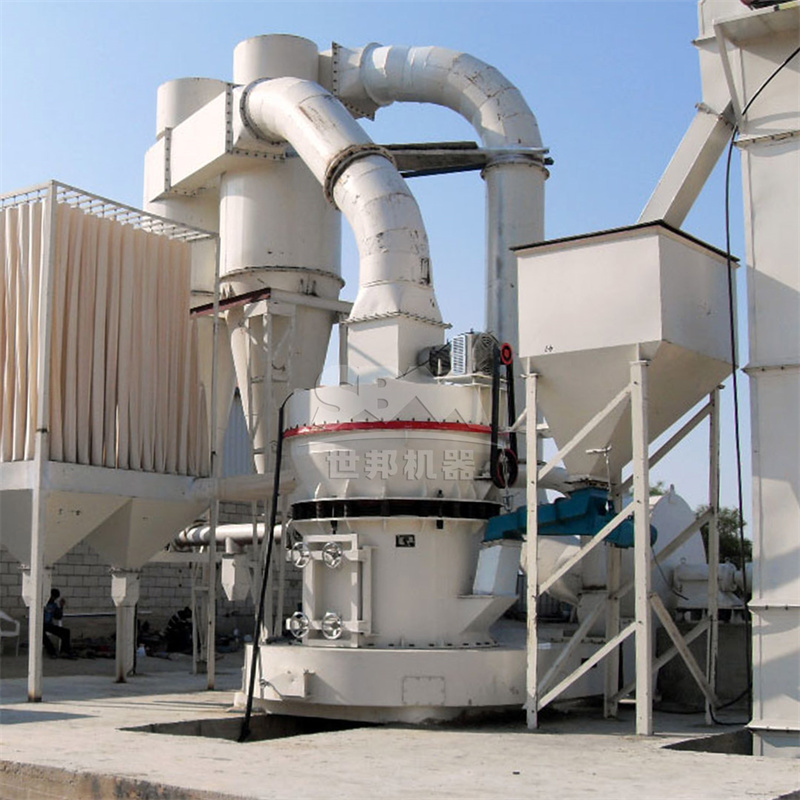
A typical complete processing plant is not just a single machine; it is a synchronized system comprising several stages. The core stages include primary crushing, feeding and conveying, the main grinding process, and finally, classifying and collecting. Each stage must be carefully calibrated to ensure optimal throughput and a final product that meets strict fineness and purity standards. The selection of equipment at the grinding stage is particularly crucial, as it determines the capacity, energy consumption, and the achievable micron size range of the final product—typically between 30 mesh and 2500 mesh depending on the application.
Primary Crushing and Feeding Systems
Before any milling can occur, raw limestone (with a feed size often up to 50mm) must be reduced. The plant typically begins with a jaw crusher or a hammer mill for primary stage. A Hammer Mill is an excellent choice for pre-processing feed sizes of 0-40mm down to a manageable 0-3mm for subsequent milling. Once crushed, the material is transported via bucket elevators and belt conveyors to a storage silo. From there, a vibrating feeder ensures a regulated, continuous flow into the main grinding unit. This buffer stage is vital to prevent overloading the mill and ensuring a stable feed rate, which is essential for maintaining product quality.
The Heart of the Plant: Selecting the Right Grinding Mill
Choosing the right grinding technology is the most critical decision for the entire project. The requirements for putty powder (often 325 mesh or finer) and limestone powder vary. While a MTW Series European Trapezium Mill is ideal for high-capacity production of 30-325 mesh powders, an even higher degree of fineness is often required for premium quality putty and filler applications. For complete plants focusing on ultra-fine powders between 325 and 2500 mesh, the SCM Series Ultrafine Mill stands out as the definitive solution.
Recommended Product: SCM Series Ultrafine Mill
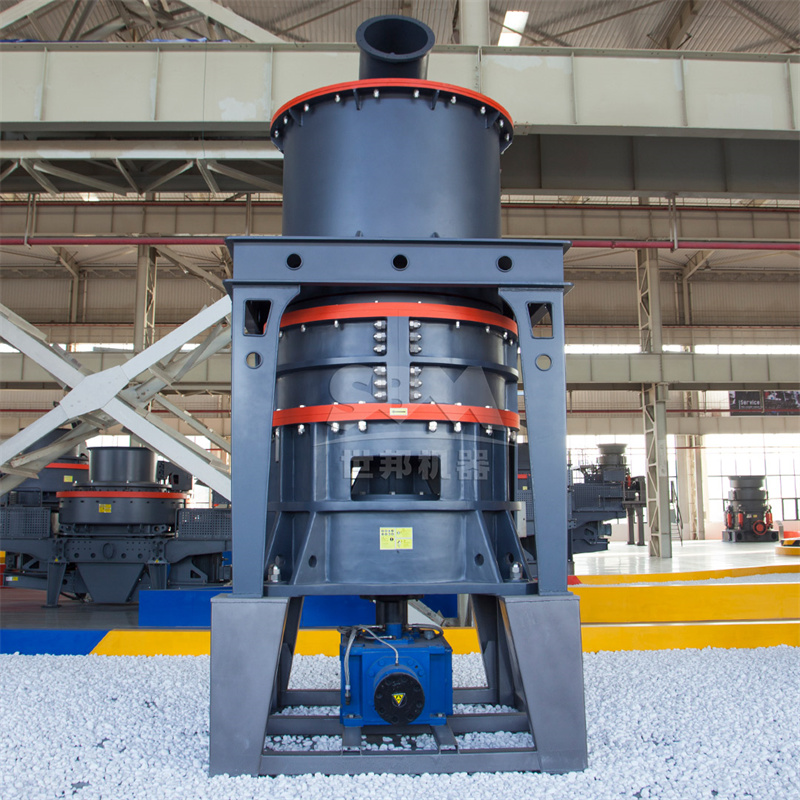
For producers aiming to manufacture high-value, high-fineness putty and limestone powders, our SCM Series Ultrafine Mill is the industry benchmark. This machine is specifically engineered to deliver fineness ranging from 325 to 2500 mesh, catering to the most stringent market demands.
- Exceptional Efficiency: The capacity is double that of traditional jet mills, yet it consumes 30% less energy, dramatically lowering operational costs.
- Precision Classification: Equipped with a vertical turbine classifier, it guarantees a sharp particle size distribution without any coarse powder contamination, ensuring a uniform and premium final product.
- Unmatched Durability: Constructed with special alloy rollers and rings, the service life is extended several times over, reducing downtime and maintenance frequency.
- Eco-Friendly Operation: The integrated pulse dust collector and soundproof room design ensure emissions and noise levels are far below international standards, meeting green manufacturing requirements.
Working Principle of the Ultrafine Mill
In the SCM mill, the main motor drives multiple layers of grinding rings to rotate at high speed. Raw material is dispersed onto the grinding path by centrifugal force and crushed between the rollers and the ring through layer-by-layer extrusion. A high-speed airflow carries the crushed material to the classification zone. The vertical turbine classifier precisely separates qualified fine powder, while coarse particles are returned to the grinding chamber for another cycle. The final collection is completed by a high-efficiency cyclone collector and a pulse dust filter, ensuring zero product loss.
Alternative Solution: MTW Series for Coarse to Medium Fineness
If your production target revolves around a higher capacity of relatively coarser powders (specifically in the 600-45μm range), we also offer the MTW Series European Trapezium Mill as a robust alternative. It is also an essential component in a plant that requires pre-grinding or coarser filler production. Its unique anti-wear shovel design and integral bevel gear drive provide a transmission efficiency of up to 98% and significantly lower maintenance costs, making it a highly competitive choice for large-scale operations and a wise choice for products like standard plaster and cement raw materials.
Classification and Collection Systems
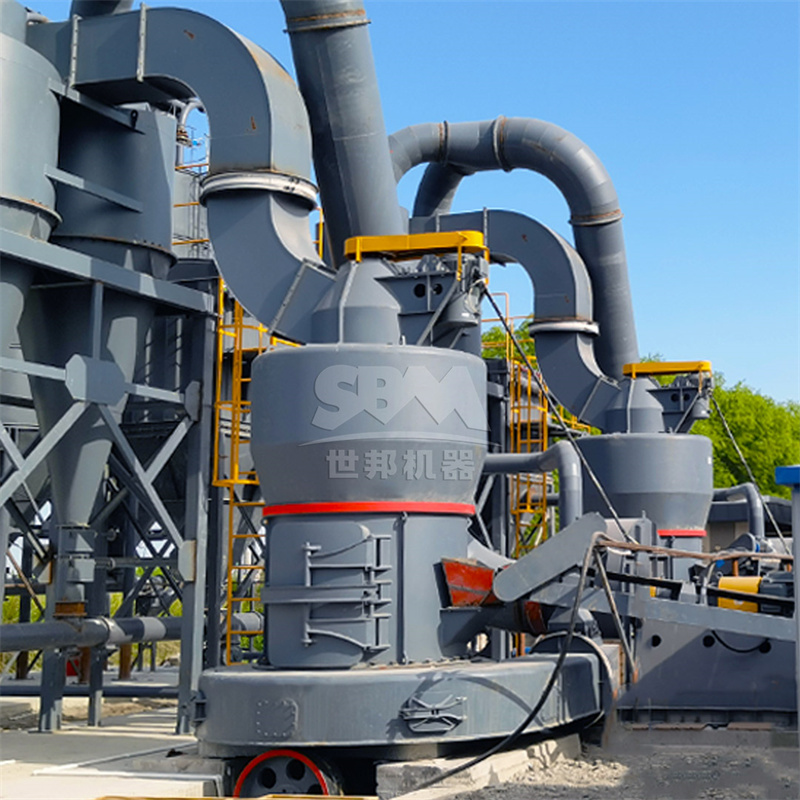
After grinding, the classification system plays the role of the quality gatekeeper. Dynamic classifiers adjust the rotational speed to achieve the desired fineness. For the collection stage, high-capacity pulse-jet bag filters are essential. They capture the fine dust from the airflow, ensuring that the air exhausted into the atmosphere is clean. The entire system operates under negative pressure in a sealed environment, preventing dust leakage, and the final product is conveyed to storage silos via an air chute or screw conveyor, ready for packaging.
Conclusion: Building a Complete, Optimized Plant
The design of a successful putty powder and limestone powder plant requires a comprehensive understanding of material characteristics and equipment performance. From the initial crusher to the final packaging line, every component must work in flawless harmony. By integrating our advanced SCM Series Ultrafine Mill into your process, you ensure a production line that is not only high-capacity and energy-efficient but also capable of delivering the superior quality fines that modern construction and manufacturing industries demand. Our team of engineers is ready to help you design the specific plant layout to match your investment and output requirements.