
Introduction to Quartz Processing in the Ceramic Industry
Quartz is a fundamental raw material in the ceramic industry, serving as a primary fluxing agent and structural component in tiles, sanitaryware, tableware, and technical ceramics. The quality and consistency of quartz powder directly influence the mechanical strength, thermal stability, and surface finish of the final ceramic product. As ceramic formulations become more demanding, the need for precise particle size distribution, controlled contamination levels, and high-throughput processing has never been greater. This guide provides a comprehensive overview of quartz stone processing equipment, focusing on selection criteria, advanced grinding technologies, and robust quality control protocols.
Section 1: Understanding Quartz Characteristics and Processing Requirements
Before selecting any equipment, it is essential to understand the intrinsic properties of quartz. With a Mohs hardness of 7, quartz is an extremely abrasive material. This characteristic dictates that all contact surfaces—grinding rollers, rings, liners, and classifiers—must be fabricated from high-chrome alloys or special wear-resistant materials. Furthermore, the brittle nature of quartz means that over-grinding must be avoided to prevent the generation of excessive ultrafine particles, which can negatively impact ceramic slurry rheology. Consequently, the selection of quartz processing equipment must prioritize energy efficiency, wear resistance, and precise classification capabilities.
Typical feed sizes for quartz ore range from 10-40 mm after primary crushing. For ceramic body preparation, a fineness of 45 μm (325 mesh) to 125 μm (120 mesh) is commonly required. However, for glazes and high-performance applications, ultra-fine powders down to 5 μm (2500 mesh) are increasingly specified. This dual requirement necessitates a versatile approach to milling.
Section 2: Primary Grinding Equipment—Selection Logic
Choosing the correct mill for quartz is a multi-factorial decision. Key considerations include: feed size, required throughput, target fineness (D50 and D97), specific surface area, and the permissible level of iron or other contaminant pickup. For ceramic applications, two primary mill families dominate: pendulum roller mills (for medium fineness) and vertical roller mills (for high capacity and energy efficiency). For ultra-fine grinding, specialized mills are required.
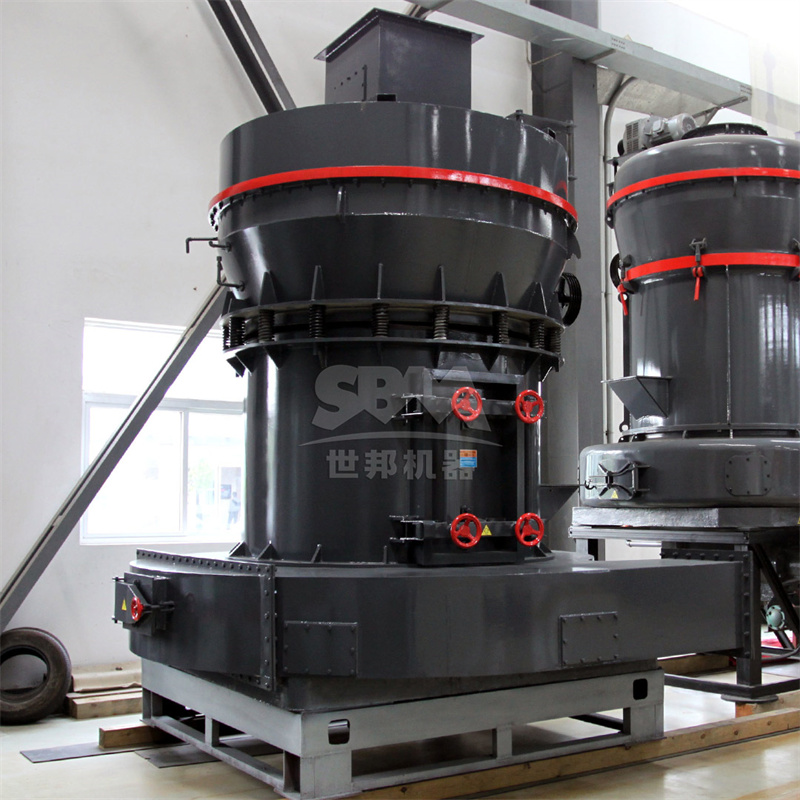
For standard ceramic tile bodies, the MTW Series European Trapezium Mill is an excellent choice. With an input size up to 50 mm and an output fineness ranging from 600-45 μm (30-325 mesh), it bridges the gap between coarse crushing and fine powder. Its capacity of 3-45 t/h makes it ideal for medium-to-large scale manufacturing plants. The integral bevel gear drive achieves up to 98% transmission efficiency, significantly reducing energy costs compared to older gearbox designs. Moreover, the anti-wear shovel design and optimized arc air duct minimize maintenance downtime, a critical factor when processing abrasive quartz.
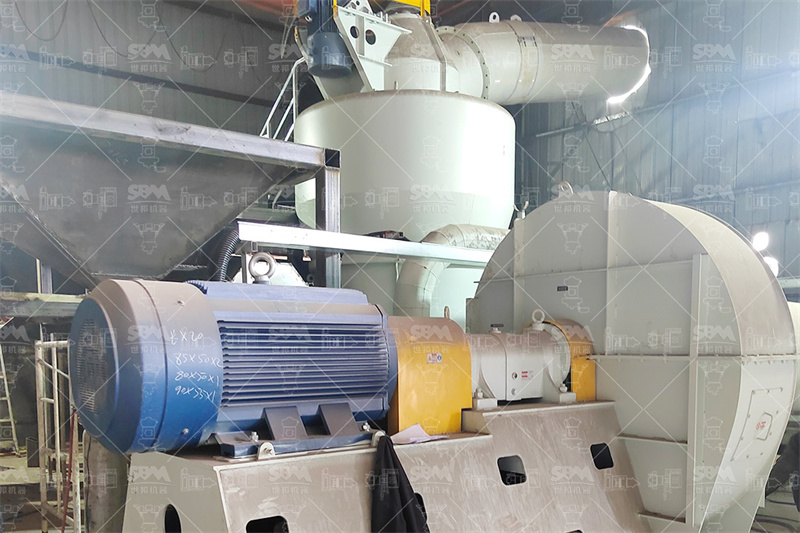
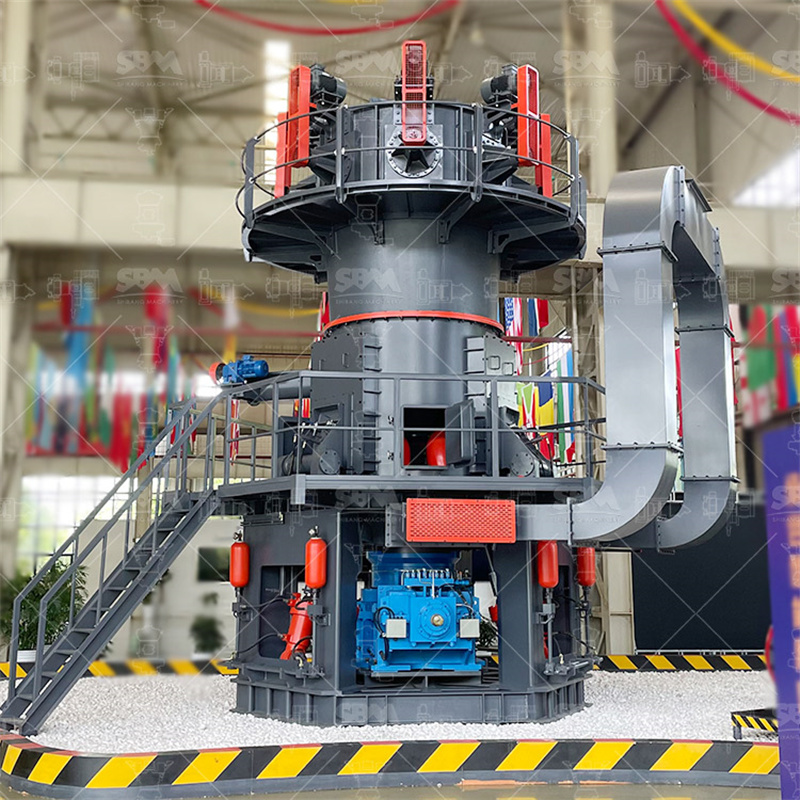
Conversely, when the demand is for massive throughput—exceeding 50 t/h—the LM Series Vertical Roller Mill becomes the strategic asset. The integrated design of crushing, grinding, and classification within a single unit reduces floor space by 50% and infrastructure costs by 40%. With capacities up to 250 t/h and a non-contact design between rollers and the table, wear part life is extended by 3x compared to traditional ball mills. This makes the LM series the most energy-efficient solution for quartz processing, with energy consumption 30-40% lower than ball mill systems.
Section 3: Ultra-Fine Grinding for High-End Ceramics
The production of high-gloss glazes and advanced ceramic components demands ultra-fine quartz powder. In this domain, particle size must be tightly controlled; any coarse particles can cause pinholes or surface defects. The industry benchmark for this application is the SCM Series Ultrafine Mill, capable of producing finenesses between 325-2500 mesh (45-5 μm).
The SCM series distinguishes itself through a high-precision vertical turbine classifier. This ensures no coarse powder mixing, achieving a sharp particle size distribution essential for consistent glaze melting behavior. Furthermore, its capacity is twice that of jet mills with 30% lower energy consumption, offering a compelling economic advantage. The special material rollers and rings extend service life several times over, reducing the frequency of costly part replacements. For any ceramic manufacturer aiming to produce premium products, the SCM mill is indispensable. We highly recommend our SCM1250 Ultrafine Mill model (2.5-14 t/h; 185 kW) for mid-size operations or the SCM1680 (5-25 t/h; 315 kW) for larger scale glaze and body production, ensuring you meet the most stringent fineness specifications with ease.
Section 4: Classification and Quality Control Systems
Grinding alone is insufficient; classification is the gatekeeper of quality. Modern dynamic classifiers, such as the vertical turbine classifier used in our SCM mills, allow for real-time adjustment of fineness. In the MTW series, the patented internal suction oil lubrication system ensures smooth operation of the classifier rotor, preventing contamination of the quartz powder.
Quality control in quartz processing extends beyond fineness. Monitoring of specific surface area (Blaine) is critical for sintering behavior. For instance, a quartz powder with a D50 of 10 μm will have a vastly different surface area than one with a D50 of 30 μm, affecting the water demand and green strength of ceramic bodies. Therefore, integrating an online particle size analyzer that provides feedback to the mill’s PLC control system is crucial for automated quality assurance.
Section 5: Operational Safety and Environmental Compliance
Quartz dust is a known respiratory hazard (silicosis). Consequently, all processing equipment must be sealed and operate under negative pressure to prevent dust leakage. Our equipment incorporates advanced pulse dust collection systems that exceed international environmental standards. Furthermore, noise reduction is a key consideration. Soundproof room designs, like those available on the SCM series, ensure noise levels remain within occupational safety limits, protecting worker health. The LM series operates under fully sealed negative pressure, achieving dust emissions of <30mg/m³ and operating noise below 85dB.
Section 6: The Role of Pre-Grinding and Hammer Mills
For integration into existing wet-process or dry-process lines, pre-grinding technology significantly boosts capacity. It is advisable to use a Hammer Mill (PC series) for reducing blasted quartz rock (up to 40 mm) down to 0-3 mm prior to feeding the fine grinding mills. This two-stage approach optimizes total energy consumption, as hammer mills are highly efficient for coarse reduction. Our PC4015-132, with a capacity of 40-70 t/h, is a rugged workhorse for this task, equipped with high manganese steel liners to withstand the extreme abrasion of quartz.
Section 7: Conclusion and Best Practices
Selecting the right quartz processing equipment is a strategic investment. For ceramic producers, the path to success involves careful matching of equipment to product specifications. Do not compromise on wear parts; always opt for high-chrome or special alloy materials. Implement a robust quality control loop that integrates sampling, particle sizing, and moisture analysis. Finally, consider the total cost of ownership—energy consumption, maintenance frequency, and lifespan of the equipment play a bigger role in profitability than initial purchase price alone. Our range of grinding solutions—from the high-efficiency MTW, to the massive LM, and the precision-focused SCM—provides all the tools necessary to dominate in the competitive ceramic market.