
Introduction: The Critical Role of Quartz in Refractory Materials
Quartz stone, primarily composed of silicon dioxide (SiO₂), is one of the most essential raw materials in the refractory industry. Its high melting point, excellent thermal stability, and superior resistance to chemical corrosion make it indispensable in the production of silica bricks, castables, ramming mixes, and other high-temperature resistant materials. However, the performance of quartz-based refractory products depends heavily on the particle size distribution and purity of the processed quartz powder. Therefore, selecting the right milling solution is not merely a matter of equipment choice—it directly impacts product quality, production efficiency, and overall operational costs.
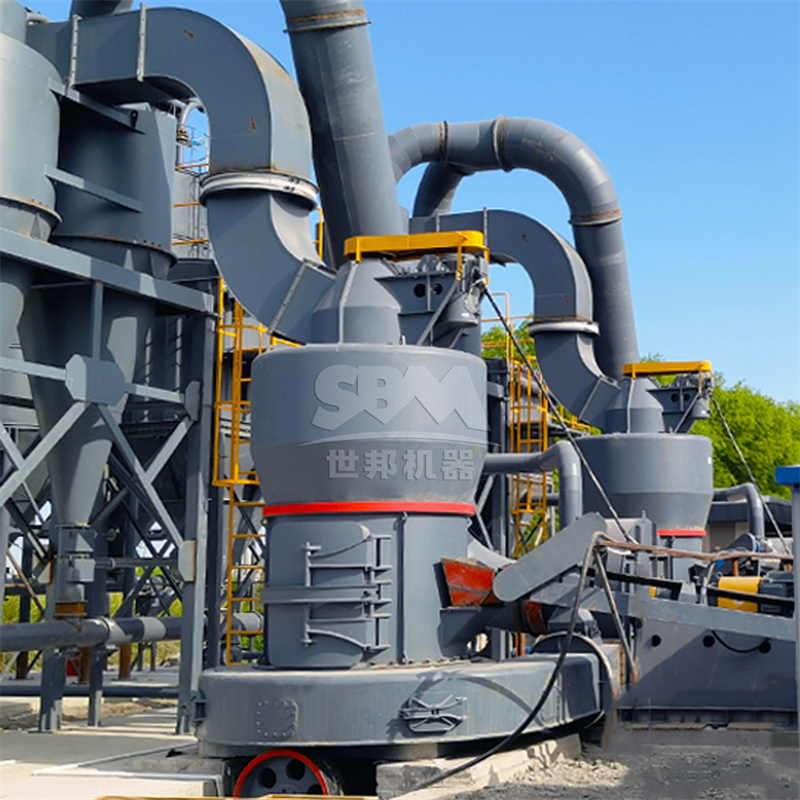
In this comprehensive guide, we will explore the key factors to consider when choosing quartz stone processing equipment for refractory materials and introduce two of our most advanced milling solutions that have proven highly effective in this demanding application.
Understanding the Requirements of Quartz Processing for Refractories
Before diving into equipment selection, it is important to understand the specific requirements that quartz processing for refractory materials imposes on milling equipment:
Particle Size Distribution
Refractory products typically require quartz in various particle size ranges. Coarse particles (0.5–3 mm) provide structural integrity, medium particles (0.074–0.5 mm) fill voids, and fine particles (<0.074 mm) enhance bonding and density. The milling solution must be capable of producing a consistent and controllable particle size distribution.
Purity and Contamination Control
Quartz for refractory use must maintain high purity. Even trace amounts of iron, aluminum, or other contaminants can significantly reduce the refractoriness of the final product. Therefore, the grinding equipment must minimize wear-induced contamination, ideally using ceramic or special alloy liners and grinding media.
Moisture Content and Flowability
The processed quartz powder must have low moisture content and good flowability to ensure proper mixing with other refractory components. Dry grinding systems with integrated drying capabilities are often preferred.
Energy Efficiency and Throughput
Given the large volumes involved in refractory production, energy consumption and throughput are critical economic factors. The ideal milling solution should deliver high capacity with minimal energy input per ton of product.
Key Factors in Choosing the Right Milling Solution
1. Fineness Requirements
The required fineness of quartz powder dictates the type of mill. For coarse grinding (down to 0.8 mm), a ball mill or hammer mill may suffice. For medium fineness (45–325 mesh), trapezium mills or vertical roller mills are suitable. For ultrafine grinding (325–2500 mesh), specialized ultrafine mills such as our SCM Series are necessary.
2. Capacity and Scalability
Production scale varies from small batch operations to large continuous lines. Equipment must be selected based on current and future capacity needs. Mills with modular designs and adjustable parameters offer greater flexibility.
3. Contamination Prevention
To avoid iron contamination, mills with ceramic liners, special alloy rollers, or non-metallic grinding surfaces should be considered. Our SCM Series, for example, features special material rollers and rings that extend service life while minimizing contamination.
4. Energy Efficiency
Energy costs often account for 30–50% of total processing costs. High-efficiency mills with intelligent control systems can significantly reduce power consumption. Compare specific energy consumption (kWh/t) rather than just motor power.
5. Environmental Compliance
Dust emission and noise levels are strictly regulated in many regions. Choose equipment with integrated pulse dust collection and soundproofing features.
6. Maintenance and Wear Parts
Quartz is highly abrasive. Wear parts such as rollers, rings, and liners must be durable and easy to replace. Consider the cost and frequency of replacement when evaluating total cost of ownership.
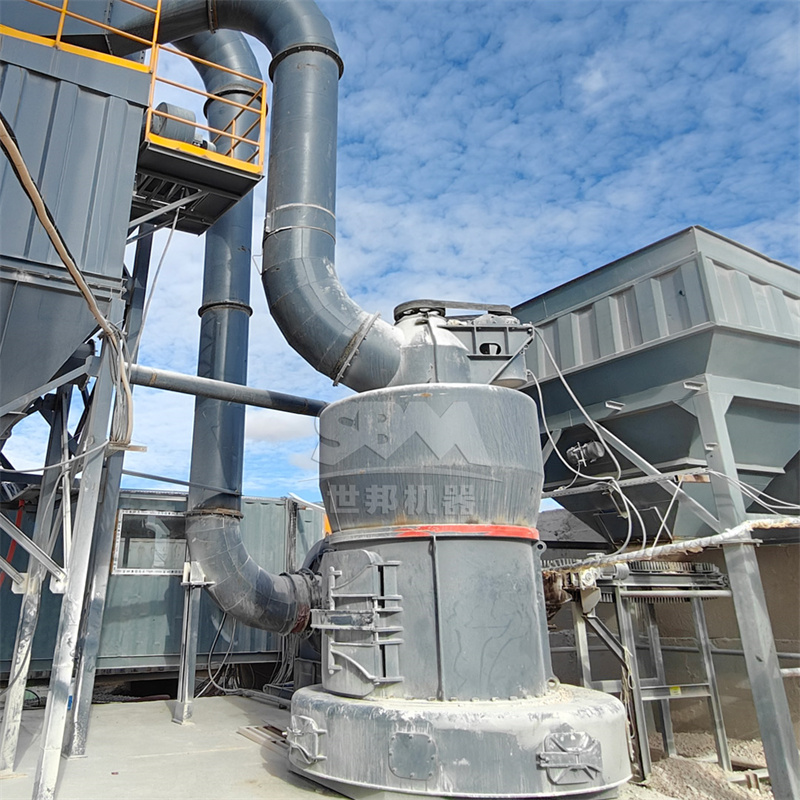
Recommended Solution 1: SCM Series Ultrafine Mill
For refractory manufacturers requiring ultrafine quartz powder (325–2500 mesh), our SCM Series Ultrafine Mill is an ideal choice. This advanced mill combines high efficiency, precise classification, and durable design to meet the rigorous demands of quartz processing.
Core Parameters
- Input Size: ≤20 mm
- Output Fineness: 325–2500 mesh
- Capacity: 0.5–25 ton/h (depending on model)
Technical Advantages for Quartz Processing
High Efficiency & Energy Saving: The SCM Series delivers twice the capacity of jet mills while consuming 30% less energy. Its intelligent control system with automatic finished product granularity feedback ensures consistent output.
High-Precision Classification: The vertical turbine classifier achieves precise particle size cutting, preventing coarse powder mixing and ensuring uniform finished products—critical for refractory performance.
Durable Design: Special material rollers and rings extend service life several times over, reducing downtime and maintenance costs. The shaftless screw grinding chamber ensures stable operation even under continuous heavy loads.
Eco-friendly & Low Noise: Pulse dust collection efficiency exceeds international standards, and the soundproof room design keeps noise levels well within regulatory limits.
Working Principle
The main motor drives three layers of grinding rings to rotate. Materials are dispersed into the grinding path by centrifugal force, crushed by roller pressure, and ground layer by layer. Finally, powder collection is completed by a cyclone collector and a pulse dust removal system.
Models & Specifications
- SCM800: Capacity 0.5–4.5 t/h | Main Power 75 kW | Fineness 325–2500 mesh
- SCM900: Capacity 0.8–6.5 t/h | Main Power 90 kW | Fineness 325–2500 mesh
- SCM1000: Capacity 1.0–8.5 t/h | Main Power 132 kW | Fineness 325–2500 mesh
- SCM1250: Capacity 2.5–14 t/h | Main Power 185 kW | Fineness 325–2500 mesh
- SCM1680: Capacity 5.0–25 t/h | Main Power 315 kW | Fineness 325–2500 mesh
Recommended Solution 2: MTW Series European Trapezium Mill
For medium to fine grinding (30–325 mesh) with higher capacity requirements, the MTW Series European Trapezium Mill offers an excellent balance of performance, efficiency, and cost-effectiveness. It is particularly well-suited for producing quartz powder for refractory castables and ramming mixes.
Core Parameters
- Input Size: ≤50 mm
- Output Fineness: 30–325 mesh (down to 0.038 mm)
- Capacity: 3–45 ton/h (depending on model)
Technical Advantages for Quartz Processing
Anti-wear Shovel Design: Combined shovel blades reduce maintenance costs, while the curved design extends grinding roller life—essential when processing abrasive quartz.
Optimized Arc Air Duct: Reduces airflow energy loss and improves transmission efficiency. High-strength guard plates protect the air duct working surface from wear.
Integral Bevel Gear Drive: Transmission efficiency up to 98%, saving space and reducing installation costs.
Wear-resistant Volute Structure: Non-resistance flow design improves air selection efficiency, and maintenance costs are reduced by 30%.
Working Principle
The main motor drives the grinding rollers to revolve around the central axis while self-rotating to generate centrifugal force. Shovels throw materials between the ring and rollers to form a material layer, achieving efficient crushing through extrusion. The classification system precisely controls the finished product size.
Models & Specifications (Selected)
- MTW110: Capacity 3–9 t/h | Main Power 55 kW | Fineness 10–325 mesh
- MTW138Z: Capacity 6–17 t/h | Main Power 90 kW | Fineness 10–325 mesh
- MTW175G: Capacity 9.5–25 t/h | Main Power 160 kW | Fineness 10–325 mesh
- MTW215G: Capacity 15–45 t/h | Main Power 280 kW | Fineness 10–325 mesh
Additional Considerations for Quartz Processing
Integration with Existing Production Lines
When selecting a milling solution, consider how it will integrate with your existing crushing, drying, and mixing equipment. Our mills can be configured with feeding, conveying, and dust collection systems for seamless integration.
Testing and Pilot Trials
We strongly recommend conducting pilot-scale tests with your specific quartz material. Our engineering team can perform grindability tests to determine the optimal equipment configuration and predict performance.
After-Sales Support and Spare Parts
Ensure that the supplier offers comprehensive after-sales support, including installation, commissioning, operator training, and timely spare parts delivery. Our global service network ensures rapid response to any maintenance needs.
Conclusion
Choosing the right milling solution for quartz stone processing in refractory applications requires careful consideration of fineness requirements, capacity, contamination control, energy efficiency, and environmental compliance. Our SCM Series Ultrafine Mill and MTW Series European Trapezium Mill represent two of the most reliable and efficient solutions available today, each tailored to different segments of the particle size spectrum.
By partnering with us, you gain access to decades of experience in grinding technology, customized solutions, and unparalleled support. We invite you to contact our technical team to discuss your specific quartz processing needs and to arrange for material testing. Together, we can optimize your refractory production line for maximum quality and profitability.