
Understanding Quicklime and Its Milling Requirements
Quicklime, or calcium oxide (CaO), is a versatile industrial material produced by calcining limestone at high temperatures. Its applications span construction, steelmaking, water treatment, environmental protection, and chemical manufacturing. As global demand for high-quality lime products continues to rise, selecting the appropriate milling system for quicklime processing has become a critical decision for producers seeking to optimize efficiency, product quality, and operational costs.
Unlike many other industrial minerals, quicklime presents unique processing challenges. It is highly reactive, prone to hydration, and generates significant heat during grinding. These characteristics demand milling equipment that can handle the material’s abrasive nature while maintaining precise particle size control and minimizing moisture exposure. This buyer’s guide examines the key factors to consider when choosing a milling system for your lime production line and highlights how different equipment configurations can meet specific production requirements.
Key Factors in Selecting a Quicklime Milling System
1. Fineness Requirements and Product Specifications
The required fineness of the final quicklime powder is perhaps the most fundamental parameter in equipment selection. Different applications demand varying particle sizes: agricultural lime typically requires 60-200 mesh, construction applications may need 200-325 mesh, while specialized chemical processes might require ultrafine powders in the 800-2500 mesh range. Understanding your target market’s specifications is essential before evaluating equipment options.
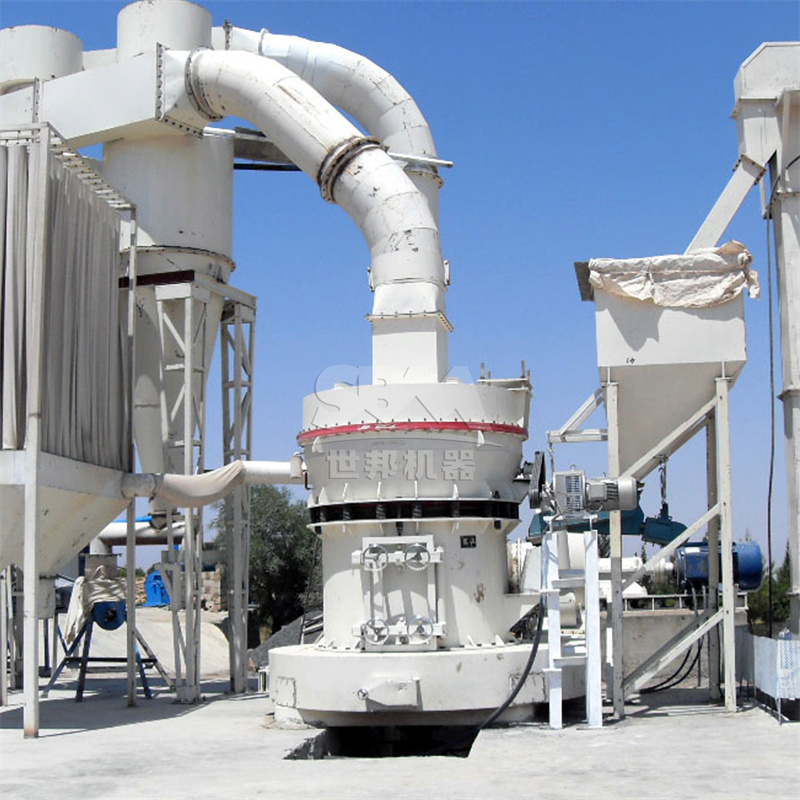
For producers requiring ultrafine quicklime powder, the SCM Series Ultrafine Mill represents an excellent choice. With output fineness ranging from 325 to 2500 mesh (45-5μm) and capacities from 0.5 to 25 tons per hour, this system delivers the precision and throughput that high-value lime applications demand. Its vertical turbine classifier ensures precise particle size cutting without coarse powder mixing, guaranteeing uniform finished products that meet stringent quality standards.
2. Production Capacity and Scalability
Your milling system’s capacity must align with your production targets while allowing room for future growth. Quicklime production lines range from small-scale operations processing a few tons per hour to large industrial facilities handling hundreds of tons daily. Consider not only your current requirements but also anticipated market expansion over the equipment’s operational lifespan.
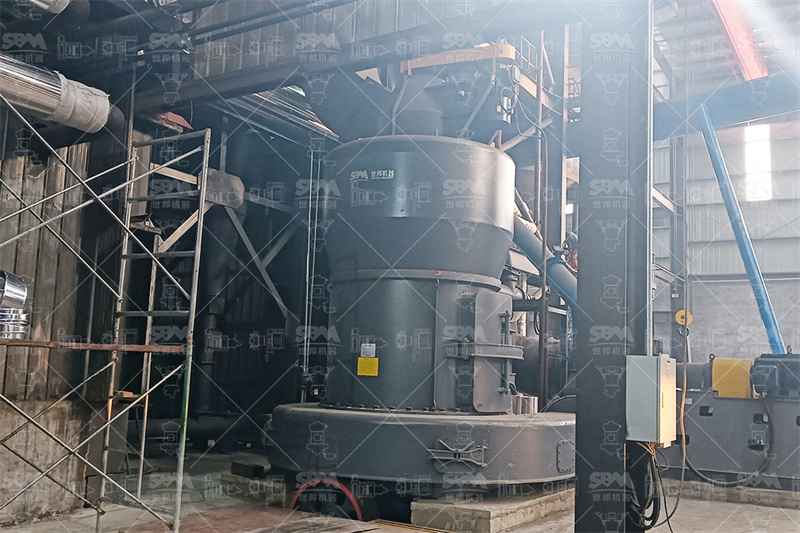
The LM Series Vertical Roller Mill offers exceptional scalability, with capacities ranging from 3 to 250 tons per hour depending on the model selected. This vertical mill’s integrated design combines crushing, grinding, and classification in a single compact unit, reducing floor space requirements by up to 50% compared to traditional systems. For lime producers planning significant capacity expansion, the LM Series provides a future-proof solution that can grow with your business.
3. Energy Efficiency and Operating Costs
Energy consumption represents a substantial portion of quicklime processing costs. Traditional ball mills, while reliable, consume significant power and require extensive maintenance. Modern milling technologies offer dramatic improvements in energy efficiency, often reducing power consumption by 30-40% while maintaining or even improving product quality.
When evaluating equipment options, request detailed power consumption data for comparable production scenarios. Consider the total cost of ownership, including installation, maintenance, wear parts replacement, and labor requirements. High-efficiency systems may command higher initial investments but deliver superior returns through reduced operating expenses over the equipment’s lifetime.
4. Material Handling and Environmental Considerations
Quicklime’s reactivity with moisture demands careful handling throughout the milling process. Equipment must be designed to minimize exposure to humidity and prevent hydration that degrades product quality. Additionally, lime dust presents respiratory hazards and environmental concerns, making dust collection systems essential components of any milling installation.
Modern milling systems incorporate comprehensive dust management solutions. Pulse dust collection systems achieve filtration efficiencies exceeding international standards, while negative pressure operation prevents dust leakage at connection points and material transfer stations. Soundproofing enclosures and vibration damping systems further reduce environmental impact, enabling compliance with increasingly stringent workplace and environmental regulations.
Comparing Milling Technologies for Quicklime Processing
Vertical Roller Mills
Vertical roller mills have become the preferred choice for many lime producers due to their exceptional energy efficiency and compact footprint. The LM Series Vertical Roller Mill exemplifies this technology’s advantages, featuring an integrated design that combines crushing, grinding, and classification functions. Its non-contact roller-table design extends wear part life by up to three times compared to conventional systems, while energy consumption is 30-40% lower than ball mill alternatives.
The LM Series intelligent control system enables expert-level automation with remote monitoring capabilities, reducing manual intervention and ensuring consistent product quality. For producers requiring capacities from 3 to 250 tons per hour, this vertical mill delivers reliable performance across the full range of quicklime processing applications.
Ultrafine Mills
When product specifications demand the finest particle sizes, ultrafine mills become essential. The SCM Series Ultrafine Mill achieves remarkable efficiency through its innovative grinding mechanism, delivering capacity twice that of jet mills while consuming 30% less energy. The intelligent control system provides automatic finished product granularity feedback, ensuring consistent output despite variations in feed material characteristics.
The SCM Series’ special material rollers and rings extend service life several times over conventional wear parts, reducing maintenance costs and downtime. Available in five models with capacities from 0.5 to 25 tons per hour, this ultrafine mill accommodates a wide range of production scales while maintaining the precision required for demanding applications.
Trapezium Mills
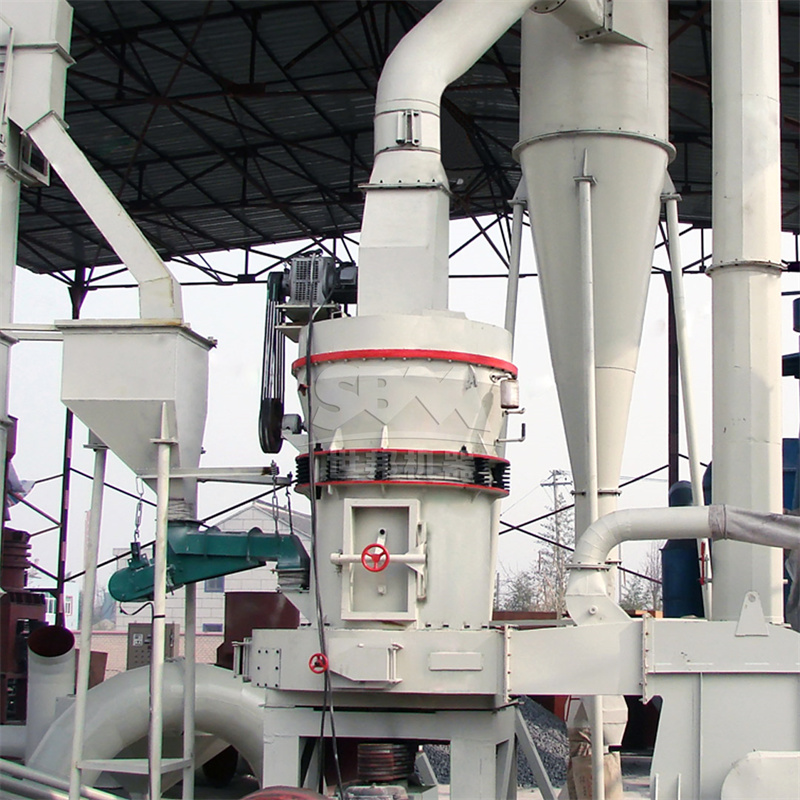
For medium-fineness applications requiring 30-325 mesh products, trapezium mills offer an excellent balance of capacity, efficiency, and cost. The MTW Series European Trapezium Mill incorporates advanced features such as anti-wear shovel design, optimized arc air ducts, and integral bevel gear drives that achieve transmission efficiency up to 98%. With capacities ranging from 3 to 45 tons per hour, these mills suit medium-scale lime production facilities seeking reliable performance at competitive capital costs.
Ball Mills for Specialized Applications
Despite the emergence of more efficient alternatives, ball mills retain advantages for certain quicklime applications. Their ability to handle larger feed sizes, produce very fine products, and operate in both dry and wet modes makes them versatile solutions for specialized requirements. However, their higher energy consumption and maintenance requirements should be carefully weighed against these benefits.
Integrating Milling Systems into Complete Lime Production Lines
A milling system does not operate in isolation. Its performance depends on proper integration with upstream calcination equipment and downstream product handling systems. Consider material transport mechanisms, storage capacity, and quality control instrumentation as part of your overall system design.
The grinding chamber design significantly affects material flow and residence time. Systems employing shaftless screw grinding chambers, such as the SCM Series, ensure stable operation and consistent product quality by preventing material buildup and blockages. Similarly, optimized air duct designs reduce airflow energy losses and improve classification efficiency, contributing to overall system performance.
Maintenance and Service Considerations
Quicklime’s abrasive characteristics accelerate wear on grinding components, making maintenance accessibility and parts availability critical factors in equipment selection. Evaluate the frequency and cost of wear part replacement, as well as the ease of accessing components requiring routine service.
Modern designs incorporate features that simplify maintenance. Modular grinding roller assemblies enable quick component changes, while internal suction oil lubrication systems reduce maintenance intervals and extend bearing life. When evaluating suppliers, inquire about spare parts availability, technical support responsiveness, and training programs for your maintenance staff.
Making Your Final Decision
Selecting the right milling system for your quicklime production line requires careful evaluation of your specific requirements, production goals, and operational constraints. Consider requesting pilot-scale testing with your actual feed material to verify equipment performance under realistic conditions. Visit installations at similar facilities to observe equipment operation and discuss performance with existing users.
For most quicklime producers, the decision ultimately balances capital investment, operating costs, product quality, and reliability. The SCM Series Ultrafine Mill and LM Series Vertical Roller Mill represent state-of-the-art solutions that address these factors comprehensively, delivering the efficiency, precision, and durability that modern lime production demands. Whether your requirements call for ultrafine powders or high-capacity output, investing in proven, technologically advanced equipment ensures your production line remains competitive in an evolving market.
By understanding the key factors influencing milling system selection and carefully evaluating available options against your specific needs, you can make an informed decision that optimizes your quicklime production for years to come.