
Introduction
Slag, a by-product of metallurgical processes, is no longer viewed as waste but as a valuable resource. Efficient slag recycling reduces environmental impact, conserves natural resources, and creates economic value. However, selecting the right slag processing equipment is critical to achieving high efficiency and product quality. With a wide range of technologies available—from ultrafine mills to vertical roller mills—it’s essential to match the equipment to the specific slag characteristics and desired output. This article guides you through the key considerations and highlights two exceptional solutions from our company: the SCM Series Ultrafine Mill and the LM Series Vertical Slag Mill.
Understanding Slag and Its Processing Challenges
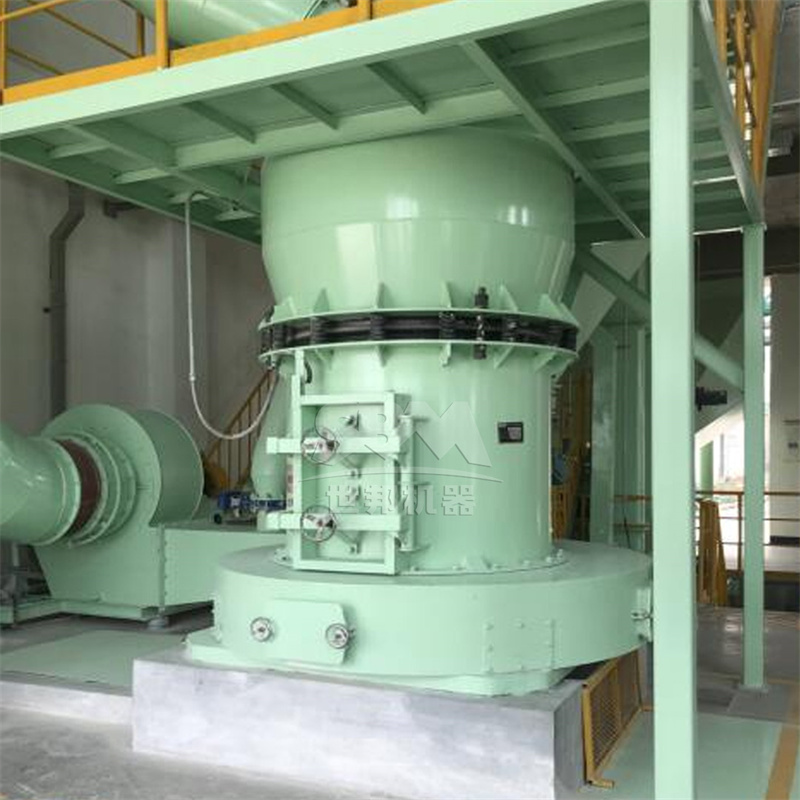
Slag comes in various forms, such as blast furnace slag, steel slag, and non-ferrous slag. Its hardness, moisture content, and chemical composition vary significantly. Blast furnace slag, for instance, is often vitreous and abrasive, requiring robust grinding equipment. Steel slag contains metallic iron, which must be removed before or after grinding. The goal of slag recycling is typically to produce a fine powder (e.g., ground granulated blast furnace slag, or GGBFS) used as a supplementary cementitious material. The required fineness usually ranges from 325 to 2500 mesh, and capacity can vary from a few tons to over 100 tons per hour.
Key challenges include high abrasiveness, potential metallic inclusions, and the need for energy-efficient drying and grinding. Therefore, the chosen equipment must offer wear resistance, efficient classification, and the ability to handle high throughputs with minimal downtime.
Key Factors in Choosing Slag Processing Equipment
1. Fineness and Product Requirements
The desired fineness of the slag powder dictates the type of mill. For ultrafine applications (e.g., 1250 mesh or finer), an ultrafine mill like the SCM series is ideal. For standard GGBFS (e.g., 400-600 m²/kg Blaine), a vertical roller mill such as the LM series is more suitable. The SCM series can achieve fineness up to 2500 mesh, while the LM slag mill typically produces products in the range of 325-600 mesh (specific surface area 420-650 m²/kg).
2. Capacity and Scalability
Production scale determines the mill size. Small to medium operations (up to 25 t/h) can benefit from the SCM series, while large-scale slag grinding plants (up to 110 t/h or more) should consider the LM vertical slag mill. The LM series offers capacities from 4 t/h to 110 t/h for slag, with models like LM130N to LM370N.
3. Energy Efficiency and Operating Costs
Slag grinding is energy-intensive. Vertical roller mills are known for their low power consumption (30-40% less than ball mills) due to the bed grinding principle. The SCM ultrafine mill also boasts 30% lower energy consumption compared to jet mills. Both options incorporate advanced classification to avoid over-grinding.
4. Wear Protection and Maintenance
Abrasive slag demands wear-resistant materials. The SCM series uses special material rollers and rings that extend service life several times over. The LM series features non-contact roller and table design, increasing wear part life by up to three times. Additionally, the LM series offers a modular grinding roller assembly for quick changes, reducing downtime.
5. Environmental Compliance
Dust and noise are major concerns. Both SCM and LM mills are equipped with pulse dust collectors achieving high efficiency, and soundproof designs keep noise levels low. The LM mill operates under negative pressure, ensuring no dust leakage.
Recommended Solutions from Our Company
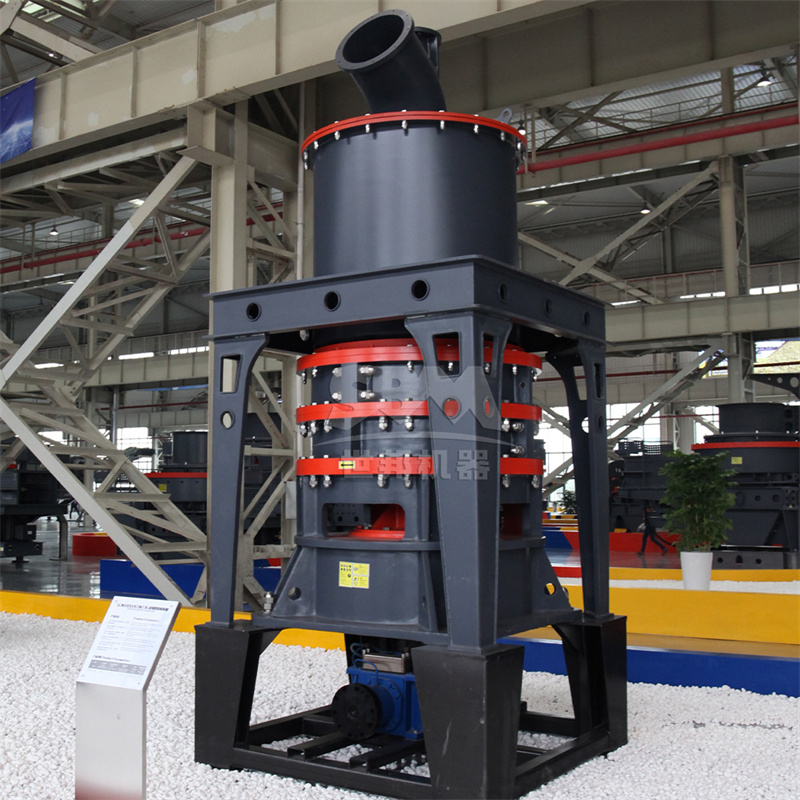
Our company offers a comprehensive portfolio of slag processing equipment. Among them, two products stand out for slag recycling: the SCM Series Ultrafine Mill and the LM Series Vertical Slag Mill. Both are engineered to deliver high efficiency, reliability, and environmental compliance.
SCM Series Ultrafine Mill: Precision Grinding for High-Value Applications
The SCM Series Ultrafine Mill is a masterpiece of fine grinding technology. With an input size of ≤20mm and output fineness adjustable from 325 to 2500 mesh, it is perfect for producing ultrafine slag powders used in high-performance concrete and specialty materials. Its capacity ranges from 0.5 to 25 t/h, depending on the model (SCM800 to SCM1680). Key advantages include:
- High Efficiency & Energy Saving: Capacity is twice that of jet mills, with 30% lower energy consumption. Intelligent control with automatic feedback ensures consistent product quality.
- High-Precision Classification: A vertical turbine classifier achieves precise particle size cutting, preventing coarse powder mixing.
- Durable Design: Special material rollers and rings extend service life, and a shaftless screw grinding chamber ensures stable operation.
- Eco-friendly & Low Noise: Pulse dust collection exceeds international standards, and soundproof design keeps noise under control.
For slag recycling, the SCM mill excels when ultrafine grinding is required, such as for slag-based geopolymers or high-reactivity fillers. Its ability to produce uniform, fine particles makes it a valuable asset.
LM Series Vertical Slag Mill: The Workhorse for Large-Scale Slag Grinding
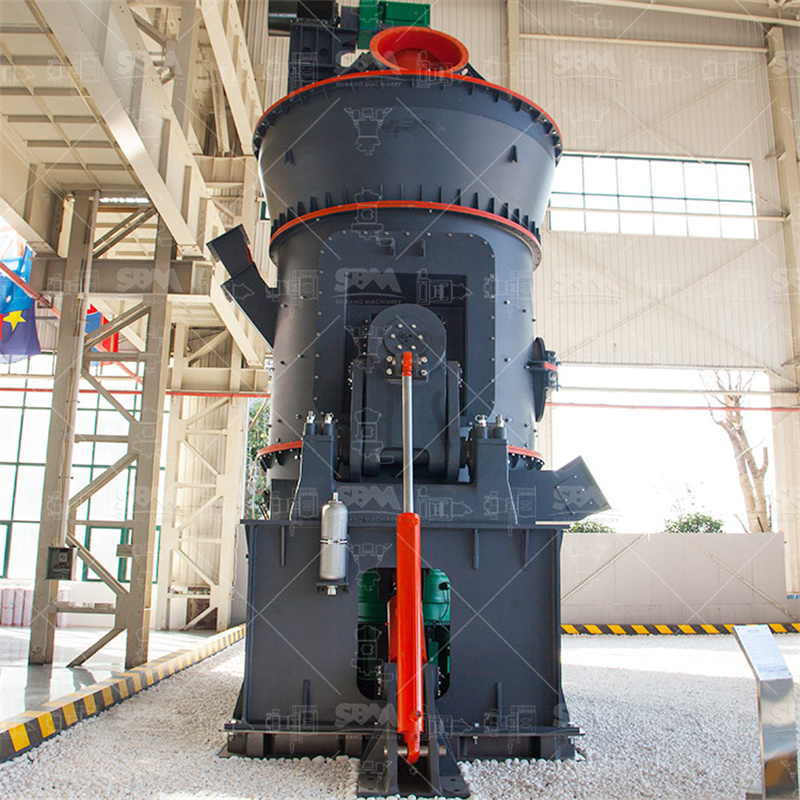
When it comes to high-capacity slag grinding, the LM Series Vertical Slag Mill (models LM130N to LM370N) is the go-to solution. With capacities from 4 to 110 t/h, it is designed specifically for grinding granulated blast furnace slag. The mill integrates crushing, grinding, drying, and classification in one unit, reducing floor space by 50% and infrastructure costs by 40%. Notable features include:
- Low Operating Cost: Non-contact design between rollers and table increases wear part life by 3x. Energy consumption is 30-40% lower than ball mill systems.
- Intelligent Control: Expert-level auto-control system supports remote/local switching and real-time monitoring, reducing manual intervention.
- Environmental Compliance: Fully sealed negative pressure operation ensures dust emission is minimal, and operating noise is low.
- Patented Technology: Modular grinding roller assembly for quick changes, dynamic classifier multi-stage adjustment, and hot air circulation energy-saving system.
The LM slag mill is ideal for cement plants and slag processing centers that require high throughput and consistent product quality. Its ability to handle high moisture slag (up to 15%) with hot air injection makes it versatile.
Comparison and Selection Guide
To choose between the SCM ultrafine mill and the LM vertical slag mill, consider the following:
| Criteria | SCM Ultrafine Mill | LM Vertical Slag Mill |
|---|---|---|
| Fineness Range | 325-2500 mesh | 325-600 mesh (special up to 600) |
| Capacity Range | 0.5-25 t/h | 4-110 t/h |
| Energy Consumption | 30% lower than jet mill | 30-40% lower than ball mill |
| Wear Part Life | Extended several times | Increased by 3x |
| Footprint | Moderate | 50% smaller than ball mill systems |
| Best For | Ultrafine slag powder, small to medium scale | Large-scale GGBFS production |
In some cases, a combination of both mills can be advantageous: the LM mill for primary grinding to 400-600 mesh, followed by the SCM mill for ultrafine grinding to 1250-2500 mesh. This hybrid approach maximizes efficiency and product value.
Conclusion
Selecting the right slag processing equipment requires a thorough understanding of your raw material, desired product fineness, capacity targets, and operational budget. The SCM Series Ultrafine Mill and LM Series Vertical Slag Mill from our company represent state-of-the-art solutions that address the unique challenges of slag recycling. With their high efficiency, durability, and environmental performance, they can transform slag from a waste liability into a profitable resource. For more information or a customized consultation, please contact our team.