
Introduction
Sodium feldspar is a critical raw material in the ceramics, glass, and enamel industries. Its unique properties—high fusibility, fluxing ability, and chemical stability—make it indispensable for producing high-quality tiles, sanitary ware, tableware, and glass products. As global demand for sodium feldspar powder continues to rise, efficient and reliable grinding equipment has become the cornerstone of successful processing plants. Choosing the right grinding mill is not merely a matter of capacity; it involves evaluating fineness requirements, energy consumption, wear resistance, automation level, and environmental compliance. This article provides a comprehensive guide to selecting the optimal grinding mill for your sodium feldspar powder production line, with references to proven industrial solutions.
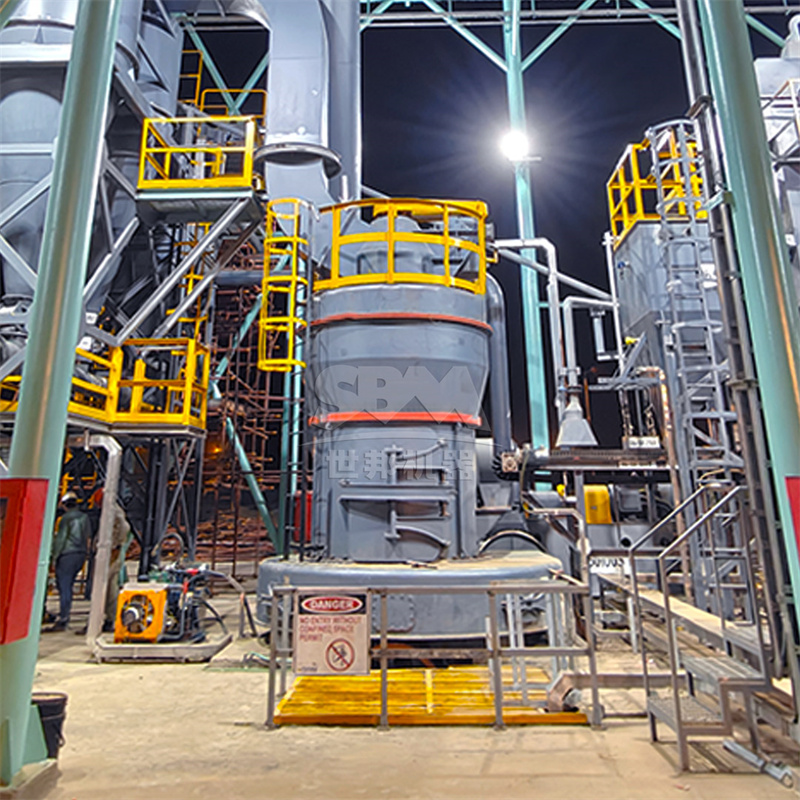
Key Factors in Selecting a Grinding Mill for Sodium Feldspar
1. Required Fineness and Particle Size Distribution
Sodium feldspar powder is typically ground to 200 mesh, 325 mesh, or even finer for special applications. The choice of mill depends heavily on the target fineness. For coarse to medium fine powders (30–325 mesh), pendulum mills, trapezium mills, and ball mills are common. For ultrafine powders (325–2500 mesh), ultrafine mills such as the SCM series or LUM vertical roller mill are preferred. Precise classification technology is essential to avoid coarse particle contamination and ensure consistent product quality.
2. Capacity and Production Scale
Production capacity varies from a few tons per hour for small plants to over 100 tons per hour for large-scale operations. The selected mill must match the plant’s throughput without bottlenecks. For medium to large capacities (3–45 t/h), the MTW European Trapezium Mill offers an excellent balance of efficiency and footprint. For very high capacities (up to 250 t/h), the LM vertical roller mill is a robust choice.
3. Energy Efficiency and Operating Costs
Grinding is an energy-intensive process. Mills with advanced classification and material-bed grinding principles consume significantly less power. For example, vertical roller mills can reduce energy consumption by 30–40% compared to traditional ball mills. Additionally, wear part longevity directly affects maintenance costs. Mills featuring high-chrome or special alloy rollers and rings, such as the SCM Ultrafine Mill, provide extended service life and lower downtime.
4. Environmental and Noise Regulations
Modern sodium feldspar plants must comply with strict dust emission and noise standards. Pulse dust collection systems with efficiency exceeding international norms, negative pressure operation, and soundproof enclosures are vital. The SCM series and LM series both incorporate these features, ensuring a clean and quiet working environment.
5. Automation and Control
Intelligent control systems with automatic feedback on product fineness, remote monitoring, and PLC automation reduce manual intervention and ensure stable operation. This is particularly important for maintaining consistent quality in continuous production.
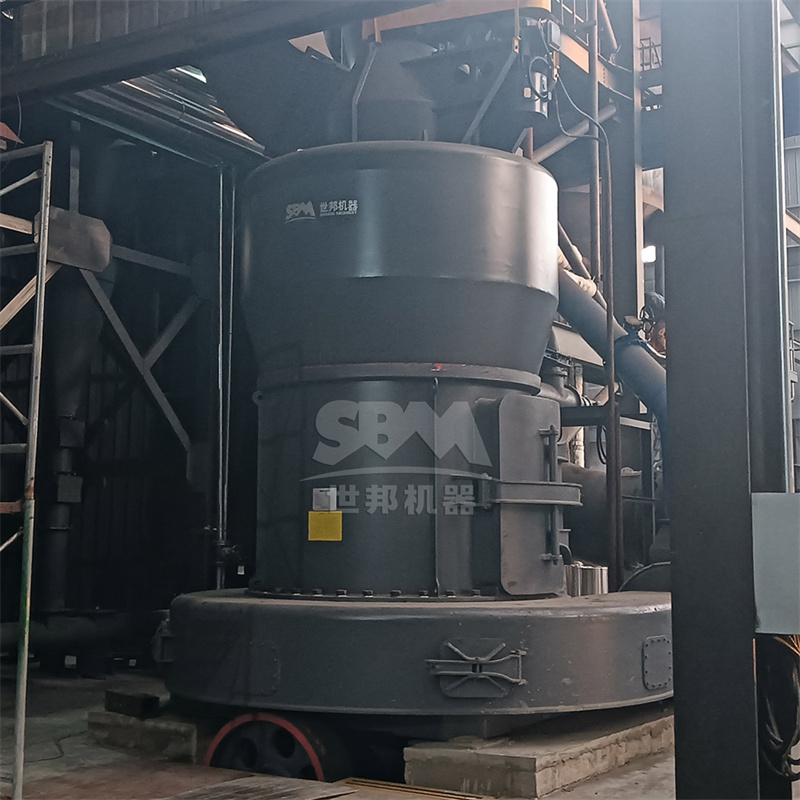
Recommended Equipment for Sodium Feldspar Powder Production
SCM Series Ultrafine Mill: Precision Grinding for High-Value Applications
When your plant requires ultrafine sodium feldspar powder (325–2500 mesh) with strict particle size distribution, the SCM Series Ultrafine Mill is an ideal solution. Its vertical turbine classifier achieves precise particle size cutting, eliminating coarse powder mixing. The special material rollers and rings extend service life several times over, while the shaftless screw grinding chamber ensures stable operation. With capacity ranging from 0.5 to 25 t/h and models such as SCM800, SCM1000, and SCM1680, it can be tailored to your production scale. The intelligent control system with automatic finished product granularity feedback further enhances operational ease. Energy consumption is 30% lower than jet mills, and the pulse dust collection efficiency exceeds international standards.
MTW Series European Trapezium Mill: Versatile and Cost-Effective for Medium-Fine Powders
For plants producing 30–325 mesh sodium feldspar powder at capacities of 3–45 t/h, the MTW Series European Trapezium Mill offers outstanding value. Its anti-wear shovel design and curved grinding rollers reduce maintenance costs and extend roller life. The optimized arc air duct minimizes airflow energy loss, and the integral bevel gear drive achieves 98% transmission efficiency. The wear-resistant volute structure improves air selection efficiency and reduces maintenance costs by 30%. Models like MTW138Z (6–17 t/h) and MTW215G (15–45 t/h) are well-suited for medium to large sodium feldspar operations. The patented internal suction oil lubrication system and advanced pulse dust removal technology ensure reliable, eco-friendly performance.

Comparison of Grinding Mill Technologies
To aid your decision, the table below summarizes key attributes of common mill types for sodium feldspar:
| Mill Type | Fineness Range | Capacity Range | Best Suited For |
|---|---|---|---|
| Ball Mill | 0.074–0.8 mm | 0.65–450 t/h | Coarse grinding, large-scale plants |
| MTM Trapezium Mill | 45–325 mesh | 3–22 t/h | Medium-fine powder, small to medium plants |
| MTW European Trapezium Mill | 30–325 mesh | 3–45 t/h | Medium-fine powder, high efficiency |
| LM Vertical Roller Mill | 30–325 mesh (up to 600 mesh) | 3–250 t/h | Large-scale, high-capacity plants |
| SCM Ultrafine Mill | 325–2500 mesh | 0.5–25 t/h | Ultrafine powder, high-value applications |
| LUM Ultrafine Vertical Mill | 325–2500 mesh | 1.6–15 t/h | Ultrafine powder, energy-efficient |
Installation and Maintenance Considerations
Proper installation and regular maintenance are critical for maximizing mill performance and lifespan. Ensure the foundation is robust and isolated from vibration. For vertical mills, the grinding table and rollers must be aligned precisely. Lubrication systems should be checked routinely; mills with thin oil lubrication (like the MRN Pendulum Mill) offer maintenance-free operation. Wear parts such as rollers, rings, and liners should be inspected periodically and replaced according to the manufacturer’s schedule. Adopting a preventive maintenance program can reduce downtime by up to 40%.
Conclusion
Selecting the right grinding mill for sodium feldspar powder production is a strategic decision that impacts product quality, operating costs, and environmental compliance. For ultrafine, high-value powders, the SCM Series Ultrafine Mill delivers precision and efficiency. For medium-fine powders at higher capacities, the MTW Series European Trapezium Mill provides a versatile and cost-effective solution. We encourage you to consult with our engineers to conduct a full feasibility study, including material testing, to ensure the optimal configuration for your specific sodium feldspar feed and product requirements. With the right equipment and proper operation, your plant can achieve consistent, high-quality output and a strong return on investment.