
Introduction
In the manufacturing of welding electrodes, the coating—often referred to as flux—plays a critical role in determining arc stability, weld bead appearance, mechanical properties, and overall welding performance. Titanium-bearing minerals such as rutile, ilmenite, and titanium dioxide are key components in many electrode coating formulations. To achieve consistent flux quality, the particle size distribution (PSD) of these titanium materials must be carefully controlled. This is where selecting the right milling equipment becomes essential. In this article, we explore the factors that influence mill selection for titanium processing and recommend two advanced mills from our portfolio that deliver exceptional performance for welding electrode coating applications.
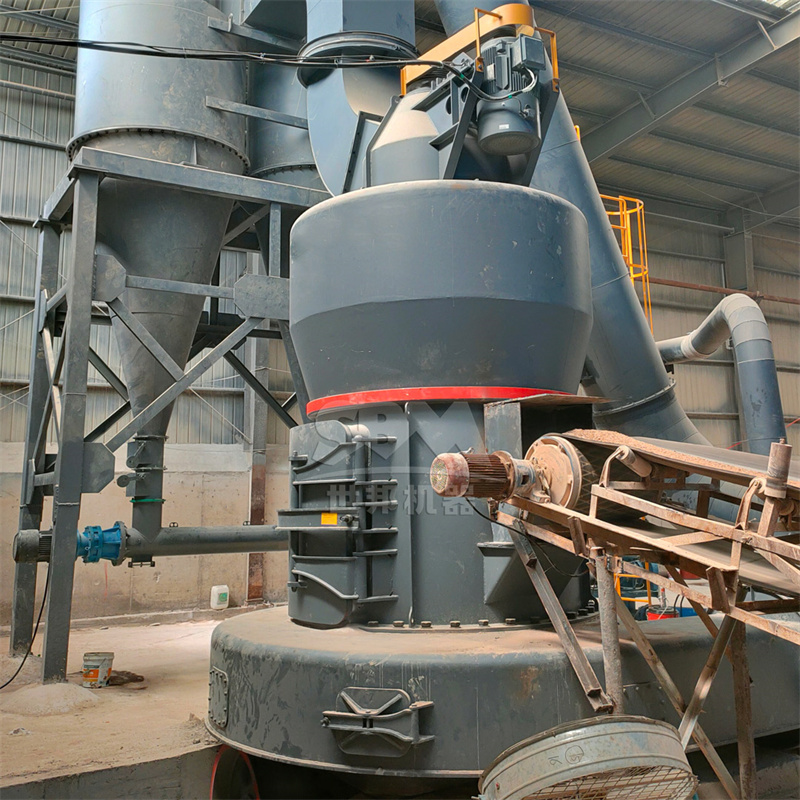
Why Titanium Materials Matter in Welding Electrode Coatings
Titanium dioxide (TiO2) is widely used in electrode coatings due to its ability to stabilize the arc, improve slag detachability, and enhance bead appearance. Rutile (a natural form of TiO2) is particularly valued for its high refractive index and chemical inertness. However, the effectiveness of these materials depends heavily on their fineness and particle size distribution. Coarse particles can lead to incomplete melting, uneven coating thickness, and poor arc characteristics. Conversely, excessively fine particles may cause agglomeration, dusting, and inconsistent extrusion during electrode manufacturing. Therefore, the milling process must strike a balance between fineness and flowability, while maintaining high purity and avoiding contamination.
Key Criteria for Choosing a Mill for Titanium Flux Production
When selecting a mill for titanium processing, several factors must be considered:
- Target Fineness: Most welding electrode coatings require titanium powders in the range of 200 to 400 mesh (38–75 μm), though ultrafine grades down to 5 μm may be used for specialized applications.
- Capacity: Production scale varies from small batch operations to continuous high-volume lines. The mill must match the required throughput without compromising quality.
- Particle Size Distribution: A narrow PSD is crucial for consistent coating behavior. Mills with high-precision classifiers are preferred.
- Contamination Control: Titanium materials must remain free from iron and other metallic contaminants. Wear-resistant liners and grinding media are essential.
- Energy Efficiency: Rising energy costs make efficiency a major economic factor. Mills that consume less power per ton are advantageous.
- Environmental Compliance: Dust and noise emissions must be controlled to meet workplace and environmental regulations.
Recommended Mills for Titanium Flux Processing
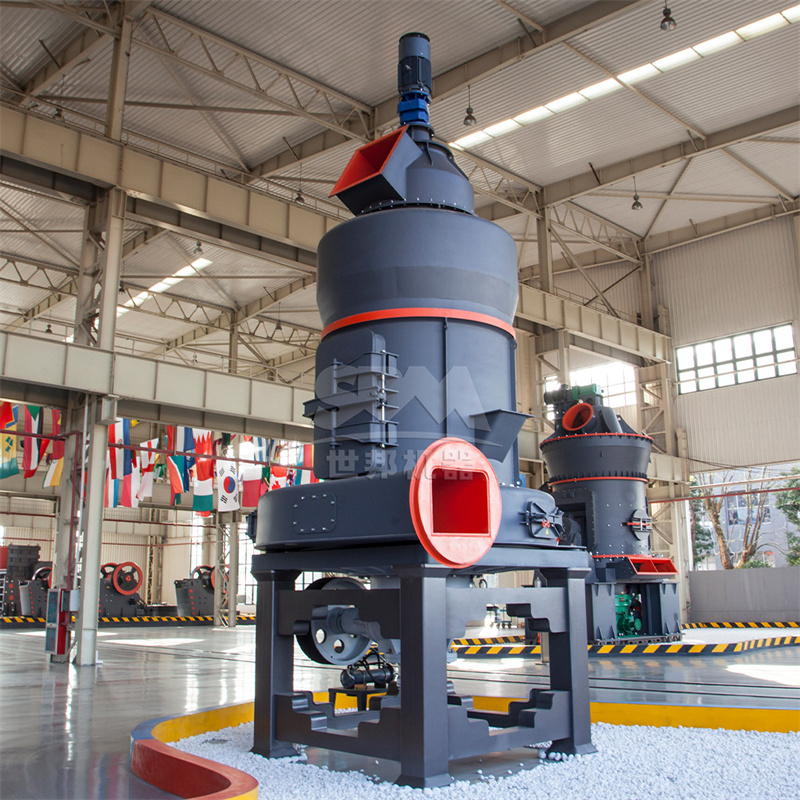
Based on the above criteria, we recommend two of our flagship mills: the SCM Series Ultrafine Mill and the MTW Series European Trapezium Mill. Both are engineered to deliver consistent, high-quality titanium powders suitable for welding electrode coatings.
SCM Series Ultrafine Mill: Precision and Efficiency for Ultrafine Titanium Powders
The SCM Series Ultrafine Mill is a state-of-the-art solution for producing ultrafine titanium powders with exceptional consistency. With an output fineness range of 325–2500 mesh (45–5 μm) and capacities from 0.5 to 25 t/h, it is ideal for both specialty and large-scale production. Its vertical turbine classifier ensures precise particle size cutting, eliminating coarse powder contamination. The intelligent control system provides automatic feedback on finished product granularity, ensuring batch-to-batch uniformity. Energy consumption is 30% lower than jet mills, and the durable rollers and rings extend service life. The pulse dust collection system exceeds international standards, and the soundproof design ensures a quiet working environment. For welding electrode manufacturers requiring ultrafine titanium dioxide or rutile, the SCM Series is a reliable choice.
MTW Series European Trapezium Mill: Versatile and Cost-Effective for Medium-Fine Titanium Flux
The MTW Series European Trapezium Mill offers a versatile solution for processing titanium materials to 30–325 mesh (down to 0.038 mm) with capacities up to 45 t/h. Its anti-wear shovel design and curved grinding rollers reduce maintenance costs and extend service life. The optimized arc air duct minimizes energy loss, while the integral bevel gear drive achieves 98% transmission efficiency. The wear-resistant volute structure improves air selection efficiency and reduces maintenance by 30%. With models ranging from MTW110 to MTW215G, this mill can be tailored to various production scales. For manufacturers seeking a balance between fineness, capacity, and operational cost, the MTW Series is an excellent option.
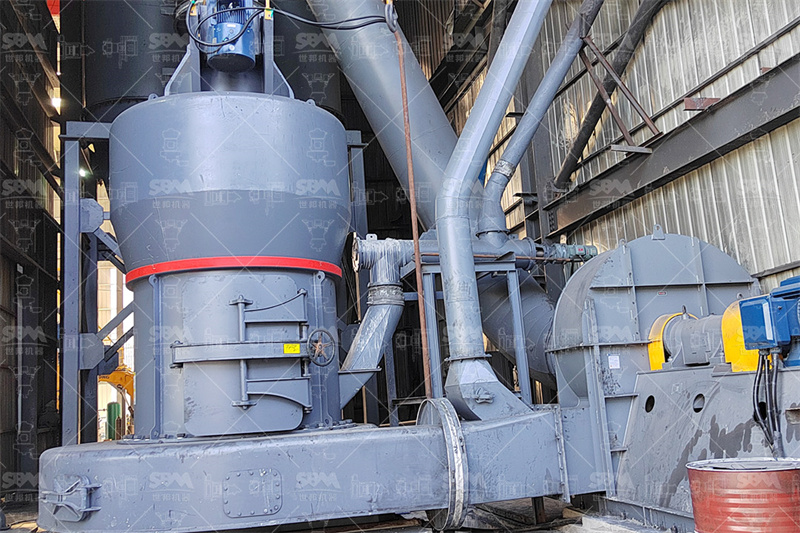
Case Study: Consistent Flux Quality with SCM and MTW Mills
A leading welding electrode manufacturer in Asia recently upgraded its titanium milling line with an SCM800 ultrafine mill and an MTW138Z trapezium mill. The SCM800 is used to produce ultrafine rutile powder (D50 = 8 μm) for premium electrode grades, while the MTW138Z processes ilmenite to 200 mesh for standard coatings. The combination allowed the company to achieve a consistent PSD, reduce rejection rates by 25%, and lower energy consumption by 18%. The pulse dust collection systems also helped the plant meet strict environmental standards.
Conclusion
Choosing the right mill for titanium processing is critical to achieving consistent flux quality in welding electrode coatings. The SCM Series Ultrafine Mill and MTW Series European Trapezium Mill from our company offer advanced features, reliable performance, and energy-efficient operation. Whether you need ultrafine powders or medium-fine granules, these mills can be configured to meet your exact specifications. By investing in the right equipment, you can enhance product quality, reduce costs, and stay competitive in the global welding consumables market.