
Introduction
In the competitive landscape of feed additive manufacturing, the quality and consistency of your final product are directly linked to the performance of your grinding and milling equipment. From vitamins and amino acids to mineral premixes and enzyme carriers, the production of feed additives demands precision particle size reduction to ensure optimal bioavailability, mixability, and shelf stability. Selecting the right equipment is not just a technical decision; it is a strategic one that impacts production efficiency, operating costs, and product quality.
This guide provides manufacturers with a comprehensive overview of the key features to look for in top-tier feed additive production equipment. We will explore the critical technical parameters, assess different milling technologies, and offer a structured selection process. As a leader in industrial milling solutions, our company offers a range of advanced mills specifically engineered to meet the rigorous demands of this industry.
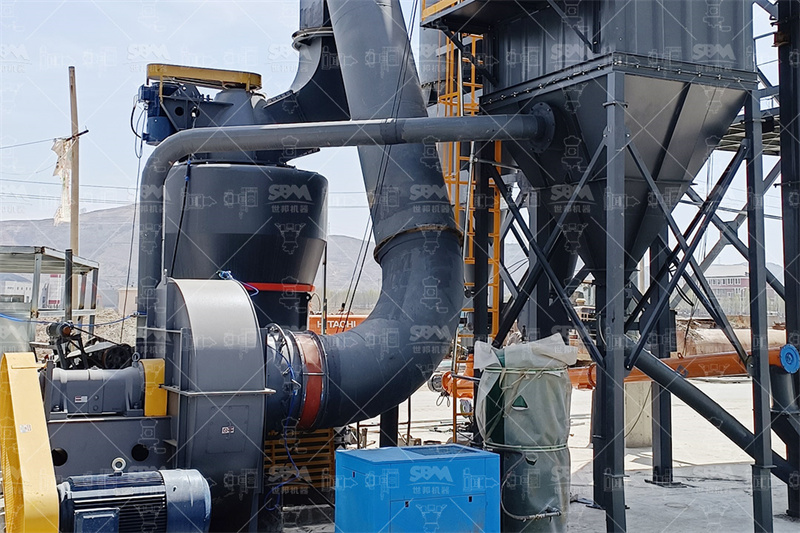
Key Features of High-Performance Feed Additive Mills
When evaluating equipment for your production line, several core features must be prioritized to achieve a superior final product and a healthy bottom line.
1. High Efficiency and Energy Savings
Energy consumption is a primary operating expense in grinding operations. Look for mills that utilize advanced grinding principles to maximize throughput while minimizing power usage. High-efficiency classifiers and intelligent control systems can significantly reduce energy waste by automatically adjusting parameters to maintain optimal grinding conditions. For instance, technologies that achieve double the capacity of traditional jet mills while reducing energy consumption by 30% represent a significant leap forward in operational efficiency.
2. Precision Classification and Consistent Particle Size
Feed additive efficacy often depends on a very specific and narrow particle size distribution (PSD). The equipment must feature a high-precision classification system, such as a vertical turbine classifier, that ensures a sharp cut point and eliminates any mixing of coarse powders. This prevents segregation in the final feed blend and guarantees that each pellet or ration contains the precise amount of the active ingredient.
3. Durable and Wear-Resistant Design
Many feed additives are abrasive, making wear part longevity a critical factor. A durable design, featuring grinding rollers and rings made from special alloy materials, can extend service life several times over. Innovative designs like shaftless screw grinding chambers or integral bevel gear drives not only improve stability but also reduce maintenance downtime and costs. Look for features like anti-wear shovel designs and optimized air ducts that protect critical components from premature failure.
4. Eco-Friendly and Low-Noise Operation
Modern manufacturing facilities must adhere to strict environmental regulations. Top-tier equipment should be designed with sustainability in mind. Fully sealed, negative pressure operation systems prevent dust leakage, ensuring a clean and safe working environment. High-efficiency pulse dust collection systems that exceed international standards, combined with soundproof room designs, help maintain noise levels within acceptable limits, protecting both the workforce and the surrounding community.
Selection Guide: Matching Technology to Application
Choosing the right mill depends on your specific production requirements, including target fineness, capacity, and material characteristics.
For Ultrafine Grinding (45-5μm / 325-2500 mesh): If your application demands extremely fine powders, such as for high-value vitamins or specialized enzyme coatings, an ultrafine mill is essential. The ability to produce a uniform product without coarse powder mixing is paramount for these sensitive downstream processes.
For Medium to Fine Grinding (600-45μm / 30-325 mesh): For bulk feed additives like limestone, di-calcium phosphate, or salt, a mill with high capacity and robust construction is ideal. Technologies such as the European Trapezium Mill or the Vertical Roller Mill are excellent choices, offering a balance of high throughput, low operating costs, and intelligent control systems for consistent output.
To illustrate a versatile solution that bridges these needs, our SCM Series Ultrafine Mill stands out for applications requiring fineness from 325 to 2500 mesh. Its high-efficiency, energy-saving design and durable construction make it a top choice for manufacturers who need both precision and reliability.
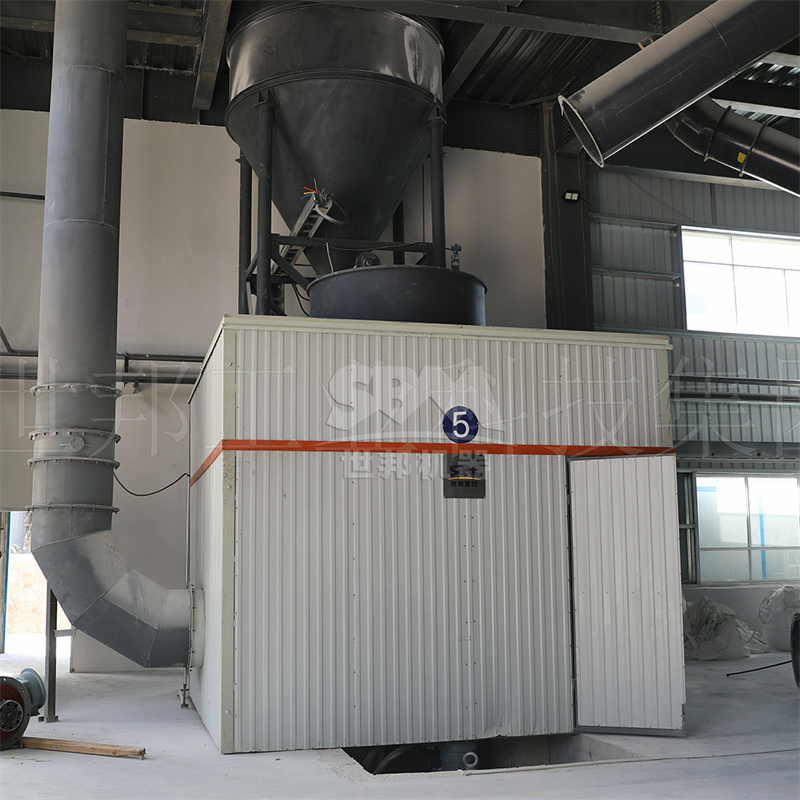
For manufacturers with high-volume production targets and a need for coarse to medium particle sizes (30-325 mesh), our MTW Series European Trapezium Mill offers unmatched performance and durability. With its integral bevel gear drive achieving 98% transmission efficiency and an anti-wear design that reduces maintenance costs by 30%, the MTW series is engineered for maximum uptime and profitability.
Conclusion
Investing in the correct feed additive production equipment is a decision that will define your operational success. By focusing on efficiency, precision classification, durability, and environmental compliance, you can select a milling solution that not only meets your current production targets but also positions your company for future growth. We invite you to consult with our engineering experts to discuss your specific needs and discover how our advanced milling technologies can optimize your production line.
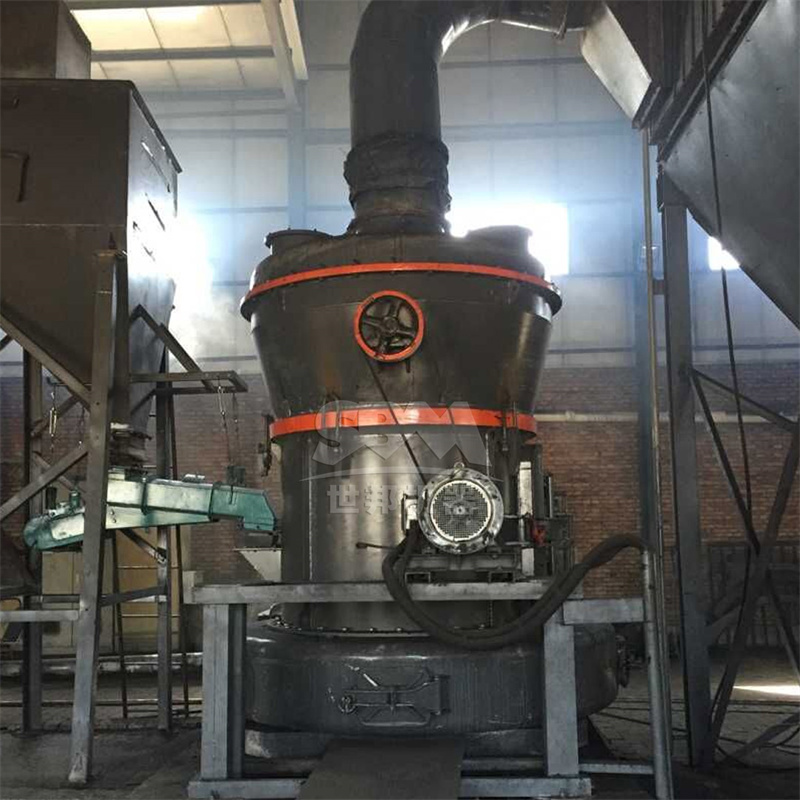
Whether you require the ultrafine precision of the SCM series or the high-capacity reliability of the MTW series, our comprehensive portfolio ensures the perfect match for your feed additive manufacturing process.