
Introduction to Limestone Powder Grinding
Limestone, a fundamental raw material for industries ranging from construction to agriculture and environmental protection, must be processed into a fine powder to unlock its full potential. The quality of the final limestone powder—defined by its fineness, uniform particle size distribution, and purity—directly impacts the performance of products like cement, desulfurization agents, and animal feed additives. Achieving this high-quality output requires advanced grinding equipment that combines efficiency, precision, and durability.
Investing in the right machinery is not merely a capital expense; it is a strategic decision that determines operational costs, product marketability, and long-term profitability. Modern limestone grinding production lines rely on a sequence of specialized machines, each designed to perform a critical function in the size reduction process. This article explores the key equipment types essential for high-quality limestone powder production and highlights innovations that drive superior results.
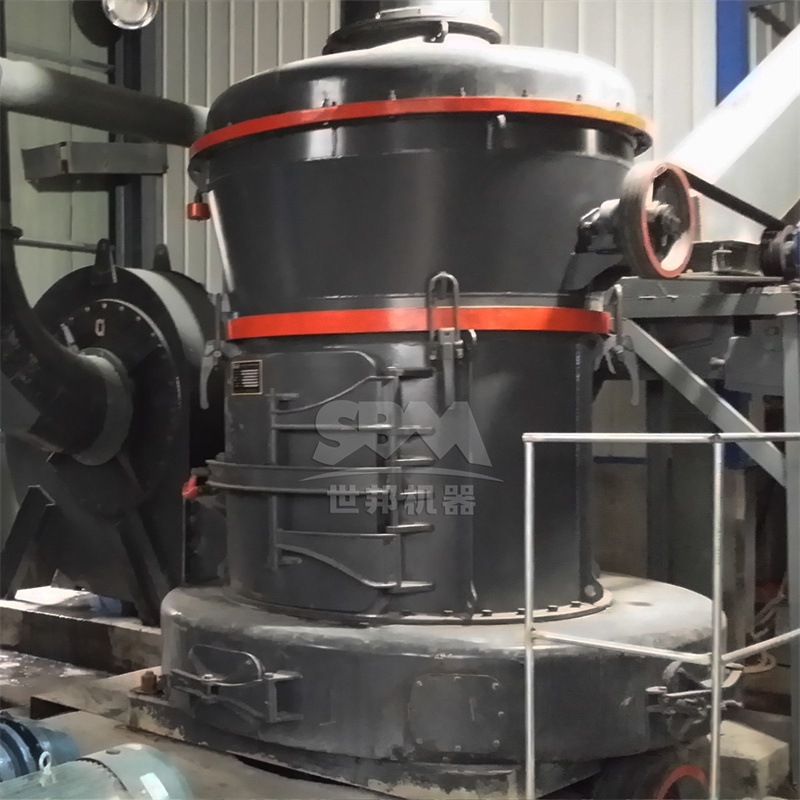
Primary Crushing: The First Step to Success
Before any fine grinding can occur, large limestone boulders must be reduced to a manageable feed size. The primary crusher is the workhorse of this initial stage. Jaw crushers are commonly used for this purpose due to their robust construction and ability to handle hard, abrasive materials. The goal of primary crushing is to produce a consistent stream of material, typically less than 50mm, which is then suitable for secondary crushing or direct feeding into grinding mills.
Choosing the right primary crusher depends on the feed material’s hardness and the required throughput. High-quality crushers feature wear-resistant manganese steel jaws and deep crushing chambers to ensure high reduction ratios and low operational costs. A well-functioning primary crusher not only boosts overall line capacity but also reduces wear on downstream grinding equipment by delivering a uniform feed.
Medium-Speed Mills: The Versatile Workhorses
For limestone powder products with a fineness ranging from 30 to 325 mesh (approximately 600-45 μm), medium-speed mills are the industry standard. These mills are prized for their high capacity and energy efficiency, making them ideal for large-scale operations. Among the most advanced designs is the trapezium mill, which utilizes an inclined roller and ring path to create a self-grading material bed, enhancing grinding efficiency.
The patented features of modern medium-speed mills include integral bevel gear drives that push transmission efficiency to 98%, specialized anti-wear shovel designs that reduce maintenance, and optimized air ducts that minimize energy loss. For example, our MTW Series European Trapezium Mill (600-45μm) exemplifies this technology. It features a unique curved shovel design that extends roller life while using an integral bevel gear drive for unmatched efficiency. Models from the MTW110, with a capacity of 3-9 t/h, to the massive MTW215G, capable of producing 15-45 t/h, offer scalable solutions. The MRN158 and MRN198 pendulum mills also fall into this category, providing robust performance with thin oil lubrication systems for maintenance-free operation.
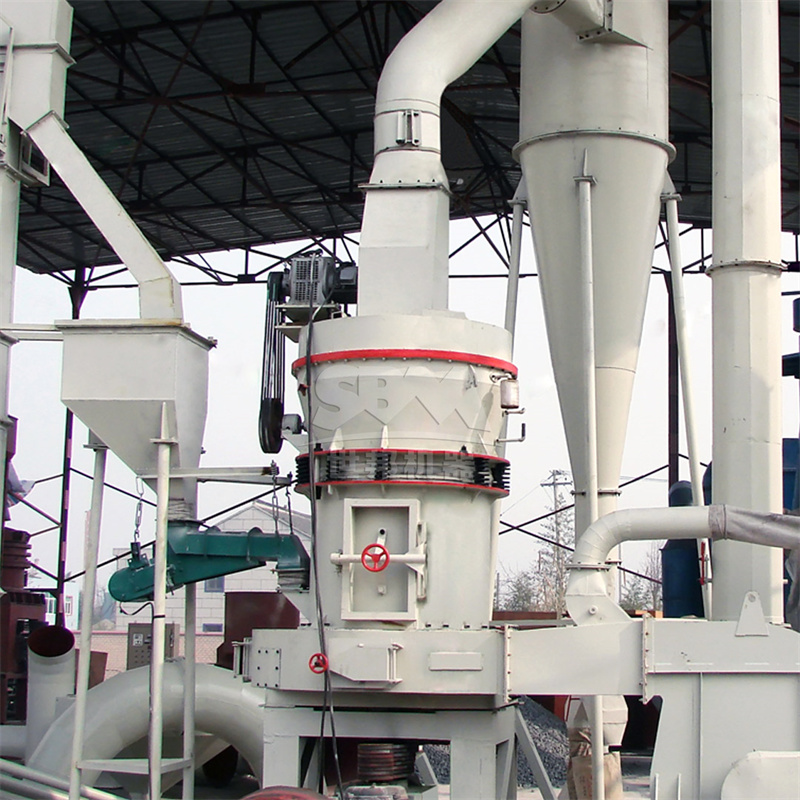
Ultrafine Grinding: Reaching the Nanoscale Frontier
When the market demands ultra-high fineness, such as for plastic fillers, paper coating, or high-grade architectural materials, standard mills are insufficient. This is where ultrafine grinding machines excel. These high-performance mills are engineered to produce powders between 325 and 2500 mesh (45-5 μm) with exceptional consistency. The technology typically involves multiple layers of grinding rings, vertical turbine classifiers for precise particle cutting, and intelligent control systems that automatically adjust for optimal fineness.
Efficiency is a hallmark of these machines. Advanced ultrafine mills can achieve double the capacity of traditional jet mills while consuming 30% less energy. The secret lies in a combination of a high-energy centrifugal grinding path and a high-precision classification system that rejects coarse particles instantly. For projects requiring top-tier ultrafine powder, we recommend the SCM Series Ultrafine Mill (45-5μm). With an input size of up to 20mm, it delivers a fineness range of 325-2500 mesh. Its models scale from the SCM800 (0.5-4.5 t/h) to the industrial-scale SCM1680 (5.0-25 t/h). The SCM mill’s durable design features special material rollers and rings that extend service life several times over, ensuring a low total cost of ownership.
Vertical Roller Mills: The Heavy-Duty Solution for High Tonnage
For massive production lines that process hundreds of tons per hour, vertical roller mills (VRMs) are the ultimate solution. The VRM integrates crushing, grinding, and powder selection into one compact unit, reducing floor space by up to 50% compared to traditional ball mill systems. The working principle involves a rotating grinding table and stationary rollers that apply hydraulic pressure to crush the material bed. Hot air carries the fines to a dynamic classifier, while coarse particles fall back for re-grinding.
The economic advantages of VRMs are significant. Non-contact design between rollers and table reduces wear part consumption, and energy usage is 30-40% lower than ball mill systems. The LM series of vertical roller mills offers a comprehensive range of options. The LM Vertical Roller Mill (600-45μm) includes the LM130K (10-28 t/h) up to the LM280K (50-170 t/h) for mineral grinding. For specialized tasks, the LM Fine-powder series (LM130X-GX to LM220X-GX) can achieve up to 600 mesh, while the LM pre-grinding series (LM150Y to LM340Y) is ideal for preparing feed for ball mills in cement production.
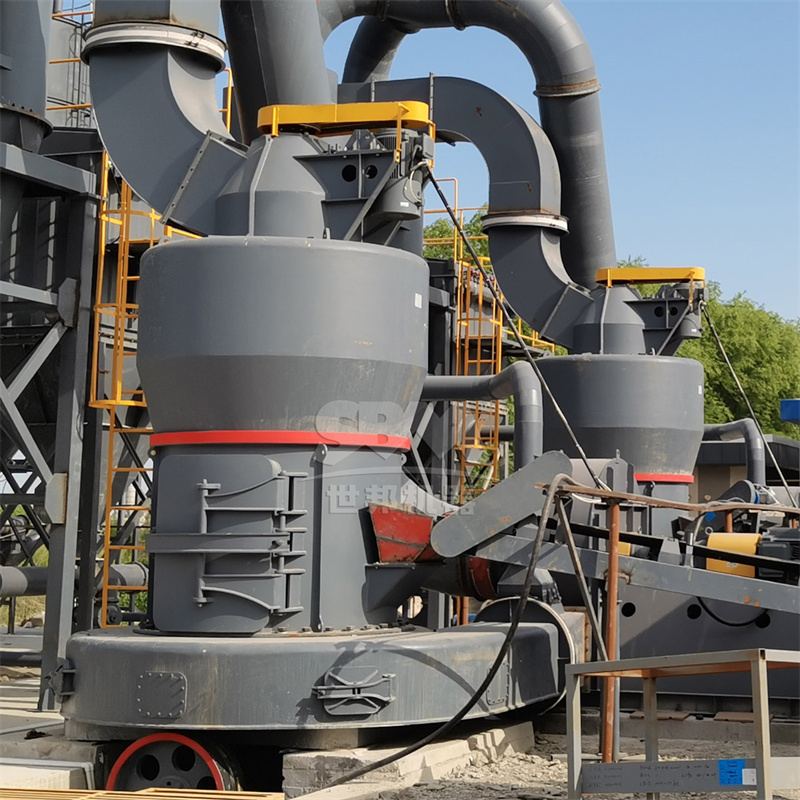
Ball Mills: The Reliable Classic for Wet or Dry Grinding
Despite the rise of newer technologies, the ball mill remains an indispensable machine, especially for wet grinding applications or when a very fine product (down to 0.074mm) is needed with a high crushing ratio (up to 300:1). Ball mills operate by rotating a cylindrical shell filled with steel balls. The tumbling action of the balls crushes the limestone through impact and attrition. This technology is mature, reliable, and capable of handling very large capacities—up to 450 t/h in the largest models.
Modern ball mills feature wave or step liners that improve grinding efficiency and reduce energy consumption. For large-scale continuous production, ball mills are often used in conjunction with a classifier to create a closed-circuit grinding system. While their energy efficiency is lower than VRMs, their simplicity and ability to handle a wide range of materials make them a staple in the industry. Models like the GMQY3685 offer a capacity of up to 45 t/h, powered by 1500kW motors.
Smart Control and Environmental Compliance
Modern limestone powder production is not just about mechanical grinding; it is about intelligent operation and environmental stewardship. Leading equipment now comes with expert-level automatic control systems that monitor parameters like mill load, temperature, and product fineness in real time. These systems reduce manual intervention and ensure consistent quality, even when feed material characteristics vary. Remote monitoring capabilities allow operators to manage production from a control room, improving safety and efficiency.
Environmental regulations are increasingly strict. Top-tier equipment addresses this with fully sealed, negative-pressure operation to prevent dust leakage. Pulse dust collection systems with efficiency exceeding international standards capture over 99.9% of fine particles. Soundproofing designs ensure that noise levels remain within comfortable ranges, creating a safer and more pleasant working environment. The integration of these features is what differentiates a compliant, sustainable operation from an outdated one.
Conclusion: Building the Right Production Line
Designing a top-performing limestone powder production line requires a clear understanding of the target fineness, capacity, and material characteristics. From the rugged primary crusher to the high-precision ultrafine mill, each piece of equipment plays a vital role. Whether you need a versatile medium-speed mill for general construction materials, a heavy-duty vertical roller mill for massive capacity, or an ultrafine mill for specialty high-value products, selecting the right technology is the key to success.
By choosing advanced machinery with proven technical advantages—such as high-efficiency transmission, intelligent control, and durable design—you can significantly lower energy consumption, reduce maintenance costs, and produce a superior product. For more detailed information on how our MTW, SCM, and LM series mills can optimize your limestone grinding process, please contact our engineering team for a tailored solution.