
1. The Critical Role of Raw Material Preparation in Magnesium Extraction
The production of high-quality magnesium compounds, including magnesium oxide (caustic calcined magnesia and dead burned magnesia) and metallic magnesium, begins with a crucial upstream step: the efficient processing of magnesia ore (primarily magnesite, but also brucite and dolomite). The journey from run-of-mine (ROM) ore to a material suitable for kilns, furnaces, or chemical reactors is fraught with challenges. Inefficient crushing, grinding, and classification can lead to inconsistent chemical reactivity, high energy consumption in downstream thermal processes, and increased wear on equipment. Therefore, selecting the right processing equipment for the raw material preparation phase is not merely a matter of logistics; it is a direct contributor to the overall yield, quality, and profitability of the entire magnesium extraction plant.
This guide delves into the essential stages of magnesia ore preparation, highlighting the specific equipment required to transform coarse, mined rock into a fine, uniform, and reactive powder. We will explore the key machinery involved, from primary crushing to micro-powder grinding, and discuss the technical parameters that dictate a successful setup.
2. Primary and Secondary Crushing: Sizing the Incoming Ore
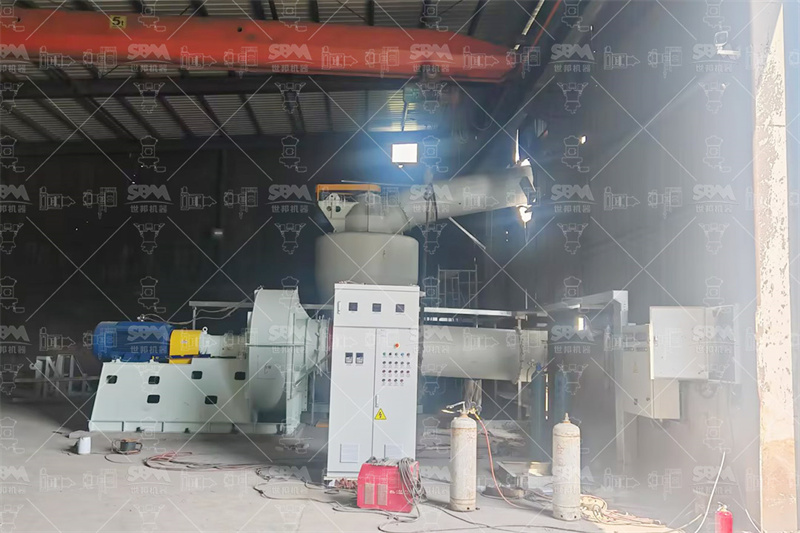
Rain of Mine magnesite can be quite large, often exceeding 300mm in diameter. The first step in raw material preparation is reducing this ore to a manageable size for further grinding. Typically, a combination of jaw crushers and cone crushers is employed to break down the ore to a size of less than 20-50mm. While powerful, these crushers are only the prelude.
After primary crushing, the ore is often screened. Oversized material is returned to the crusher, while undersized material moves to an intermediate storage hopper. For operations that require a feed size of less than 20mm for downstream fine grinding, a secondary crushing stage or a hammer mill is often necessary. A Hammer Mill is highly effective in this phase.
3. Fine Grinding: The Heart of the Preparation Process
The most critical stage in ensuring the efficiency of the magnesia production process is fine grinding. The fineness and particle size distribution (PSD) of the magnesia powder directly affect:
- Sintering Rate: In the production of dead burned magnesia, finer particles densify more quickly and at lower temperatures, saving fuel.
- Leaching Kinetics: In hydrometallurgical processes (e.g., producing magnesium hydroxide or salts), a smaller particle size creates a larger surface area, speeding up the reaction time significantly.
- Purity: Better grinding allows for more efficient separation from gangue minerals during beneficiation (e.g., flotation or magnetic separation).
The choice of grinding mill depends on the target fineness. For standard magnesia powder (typically 80% passing 200 mesh or 74 μm), vertical roller mills or trapezium mills are optimal. However, the industry increasingly demands higher-value products like caustic calcined magnesia with high reactivity, which requires even finer grinding (325 mesh to 1250 mesh) to maximize surface area.
4. Optimizing Efficiency with Dedicated Ultrafine Grinding Technology
For processors aiming to produce high-reactivity magnesia or specialized grades for the rubber, plastic, or refractory industries, traditional grinding systems often lack the precision and energy efficiency. This is where specialized ultrafine grinding equipment comes into play.
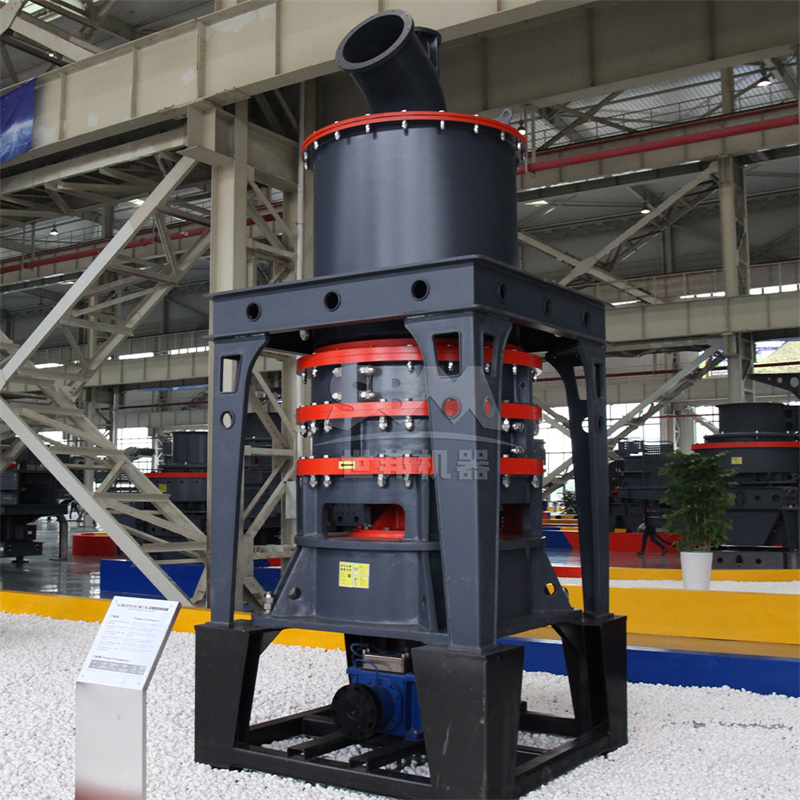
We recommend the SCM Series Ultrafine Mill for this demanding task. This machine is engineered to deliver product fineness between 325 mesh (45 μm) and 2500 mesh (5 μm), offering a distinct advantage for magnesia processors. Its key benefits are:
- Higher Efficiency: It boasts a capacity that is 2x that of jet mills, yet consumes 30% less energy, directly lowering your specific power consumption (kWh/ton).
- Superior Product Quality: The vertical turbine classifier ensures precise particle size cutting with no coarse powder mixing. This guarantees a uniform product, crucial for consistent refractory performance.
- Low Operating Costs: The special material rollers and rings last significantly longer, reducing downtime and maintenance expenses.
Product Recommendation:
We highly recommend the SCM1250 Ultrafine Mill for mid-to-large scale magnesia producers. With a main power of 185kW and a capacity ranging from 2.5 to 14 tons per hour, it offers an excellent balance between throughput and fine particle generation. It efficiently processes feed sizes up to 20mm and can be adjusted to achieve a fineness of up to 1500 mesh, providing the flexibility needed to produce a range of magnesia grades from a single unit.
5. Alternatives for Coarse to Medium Grinding
If your market demand is primarily for agricultural magnesia or lower-grade refractory materials, a more cost-effective solution might be the MTW Series European Trapezium Mill. This mill is perfect for producing 30-325 mesh powder. It is renowned for its robust design and high efficiency. The integral bevel gear drive guarantees a transmission efficiency of up to 98%, while the anti-wear shovel design reduces maintenance costs significantly.
The MTW175G model, with a capacity of up to 25 tons per hour, is a workhorse suitable for large-scale operations that require high throughput with minimal energy loss. Its optimized arc air duct improves airflow, ensuring smoother operation.
6. The Shift Towards Vertical Roller Mills (VRM)
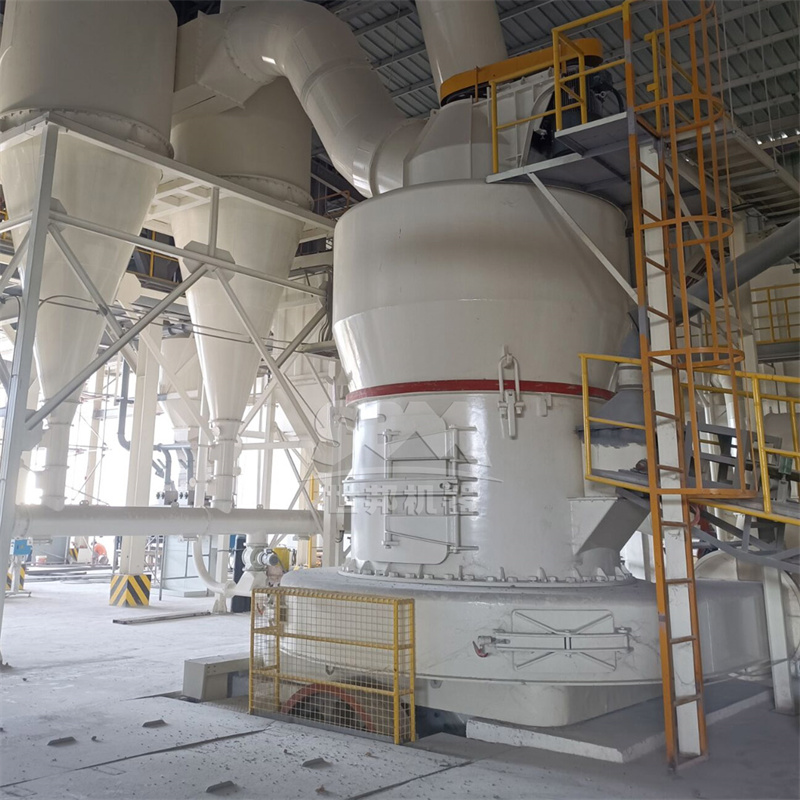
For very large-scale integrated magnesia processing plants (e.g., >100,000 tpa of magnesia), the LM Series Vertical Roller Mill offers the lowest total cost of ownership. Although the primary focus is often on fine grinding, the LM series can handle the entire grinding stage from 50mm feed directly down to 45μm in one step, eliminating the need for a separate secondary crusher and maximizing floor space utilization.
Its integrated design allows it to combine grinding, drying (using hot kiln exhaust gases), and classification in a single unit. This can reduce the energy consumption by 30-40% compared to a traditional ball mill system. For instances where pre-grinding is required before a ball mill, the LM-Y Pre-grinding Roller Mill is the ideal solution, offering a 30-50% reduction in power consumption compared to traditional crushing alone.
7. Classification and Collection Systems
The finished powder must be separated from the airflow and collected. High-efficiency cyclone collectors and pulse-jet baghouse dust collectors are standard in modern systems. Our grinding mills are paired with advanced pulse dust collection systems that exceed international environmental standards, ensuring a clean working environment and recovering 100% of the valuable magnesia powder. The classification systems within the mills themselves are dynamic and adjustable, allowing operators to change the fineness on-the-fly without stopping the system.
8. Conclusion
Efficient magnesium extraction is contingent on superior raw material preparation. Choosing the right grinding equipment is the single most impactful decision a processor can make. By investing in high-efficiency, precision-grinding equipment like the SCM Ultrafine Mill or the MTW Trapezium Mill, you can ensure that your downstream processes—whether thermal or chemical—operate at peak efficiency. This not only lowers fuel and reagent consumption but also guarantees a superior, consistent product that commands a premium price in the global market.