
Introduction to Pulverized Coal Production
Pulverized coal is a fundamental energy source for various industries, including power generation, cement production, metallurgy, and chemical processing. The quality and efficiency of coal pulverization directly impact energy consumption, product quality, and operational costs. Selecting the right equipment is not merely a procurement decision; it is a strategic choice that determines the long-term profitability and sustainability of an operation. This article provides a comprehensive guide to the top types of pulverized coal production equipment, offering insights into their working principles, selection criteria, and optimization strategies.
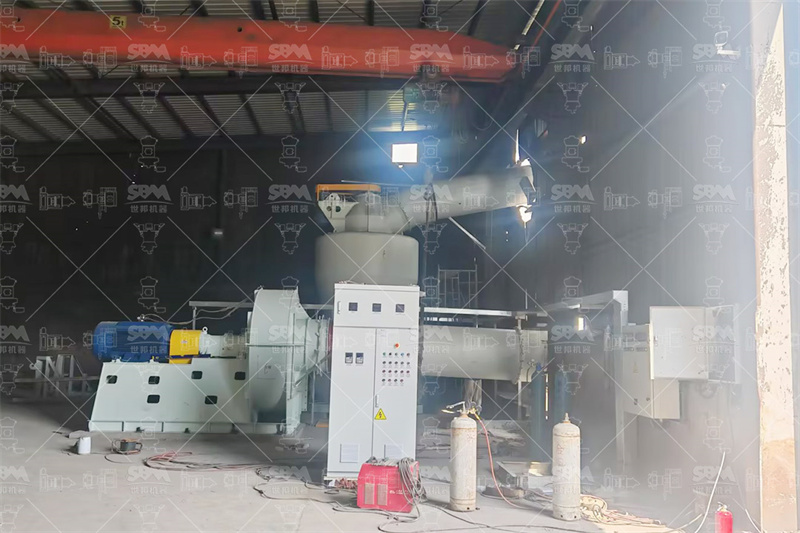
Types of Pulverized Coal Grinding Equipment
The market offers a diverse range of mills, each designed for specific feed sizes, capacity requirements, and final fineness levels. Understanding the fundamental differences is the first step toward making an informed choice.
1. Vertical Roller Mills (VRMs)
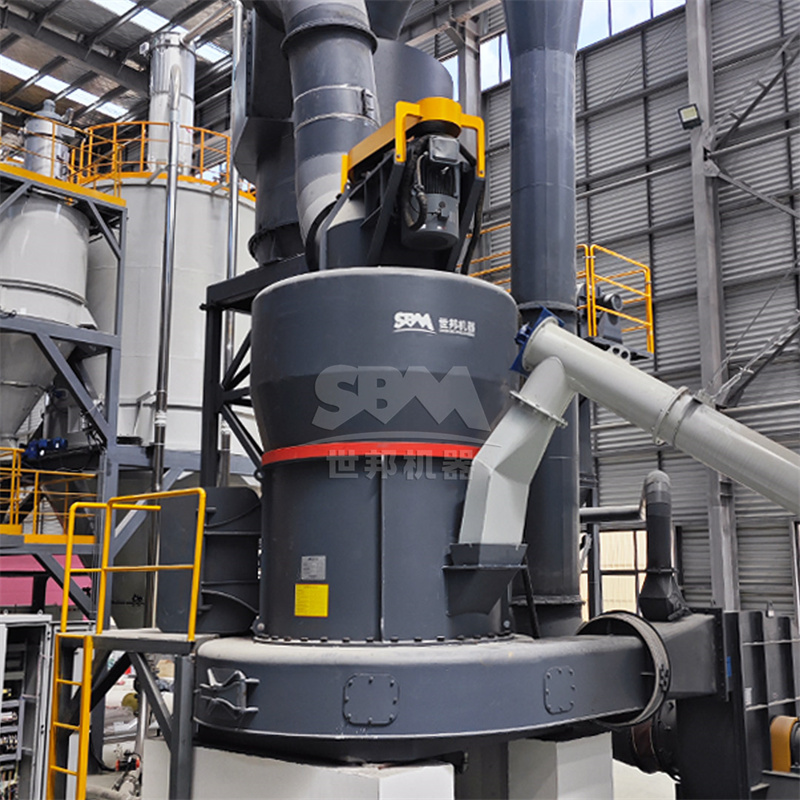
Vertical Roller Mills have become the industry standard for large-scale pulverized coal production due to their high efficiency, drying capability, and relatively small footprint. The core principle involves a rotating grinding table and a set of stationary or hydraulically-pressed rollers. Material fed onto the center of the table is crushed and ground as it moves to the periphery under centrifugal force. Hot air entering from the bottom dries the coal and carries finished particles to an integrated high-efficiency classifier.
VRMs are ideal for capacities exceeding 10 tons per hour and are particularly effective for materials with high moisture content. Their key advantage lies in their ability to integrate multiple processes like grinding, drying, and classification into one system. Our LM Series Vertical Roller Mill exemplifies this technology. For instance, the LM130M to LM280M models are specifically designed for pulverized coal, offering capacities from 3 to 90 t/h and fineness ranging from 5% to 20% residue on a 200-mesh screen. The non-contact design between the rollers and the table reduces wear and increases the lifespan of wear parts by three times compared to traditional mills.
2. Ball Mills
Ball mills are the most traditional type of grinding equipment, prized for their robustness and versatility. They consist of a rotating cylindrical shell partially filled with steel grinding media (balls). As the shell rotates, the balls are lifted and cascade down, crushing the coal through impact and attrition. Ball mills can operate in both dry and wet modes, although dry mode is standard for coal preparation.
While ball mills have a high crushing ratio and are highly reliable, they suffer from significant drawbacks, including high energy consumption (often 30-40% higher than VRMs) and a large physical footprint. They are generally preferred for applications requiring very fine grinding (<0.1mm) or when processing abrasive materials where the simpler mechanics can be more easily maintained. For medium to large scale operations, the capital cost can be lower, but operational costs over a decade are significantly higher.
3. Medium-Speed Trapezium Mills and Pendulum Mills
For medium-scale operations requiring fineness in the range of 45-325 mesh (0.045-0.6mm), medium-speed mills like the MTM series and pendulum mills like the MRN series offer an excellent balance of efficiency and cost. These mills use a pendulum-arm assembly that suspends rollers on a central axis. As the central shaft rotates, centrifugal force pushes the rollers against a fixed grinding ring. Material is shoveled into the gap and crushed.
These mills are known for their low maintenance due to features like thin oil lubrication systems, as seen in our MRN Pendulum Mill. The intelligent pressure regulation system in these mills automatically compensates for roller wear, maintaining consistent output and extending the life of the grinding elements. Models like the MRN158, with a capacity of 7-21 t/h, or the larger MRN218, producing up to 45 t/h, are highly effective for large-scale coal powder production where precise particle size control is necessary.
4. Ultrafine Mills
In specific applications, such as blast furnace injection or specialized chemical processes, an ultra-fine powder (fineness of 325-2500 mesh) is required to maximize combustion efficiency and reactivity. For these demanding tasks, dedicated ultrafine grinding technology is necessary. Jet mills and ultrafine vertical roller mills are typically chosen. These machines utilize high-speed collisions or intense air classification to achieve sub-micron particle sizes.
Our SCM Series Ultrafine Mill is uniquely positioned for this niche. It operates on a principle of a high-speed rotating motor driving three layers of grinding rings. The material is dispersed and crushed layer-by-layer between rings and rollers. With a capacity of 0.5-25 t/h and an output fineness of 325-2500 mesh (5-45μm), it offers a capacity that is double that of traditional jet mills while consuming 30% less energy. The vertical turbine classifier ensures a precise particle size cut with no coarse powder mixing, making it an ideal solution for high-value coal products.
Selection Guide: How to Choose the Right Coal Mill
Choosing the correct equipment requires a systematic evaluation of multiple parameters. The most critical factor is always the feed size. For feed sizes up to 50mm and high throughput (e.g., >50 t/h), a LM Series Vertical Roller Mill is the undisputed leader. For feed sizes up to 35mm with a capacity between 3 and 22 t/h, the MTM Medium-speed Trapezium Mill is a superior choice for medium-finish grinding.
The second decision point is the required fineness. If the project requires a 200-mesh (75μm) standard for cement kilns or power plant burners, a VRM or a Ball Mill is suitable. If the market demands high-value ultra-fine coke powder (e.g., for injection into blast furnaces to reduce coke consumption), then one must look at specialized equipment like the SCM Ultrafine Mill to meet the 500-1000 mesh specifications. Finally, consider the moisture content of the raw coal. If the coal has high moisture (>15%), a machine that integrates drying, like a VRM, will be significantly more efficient, as it can utilize waste heat from the kiln or boiler to dry the coal in-situ without the need for a separate dryer.
Efficiency Tips for Pulverized Coal Operations
Once the equipment is selected, optimizing its performance is key to reducing operational costs. The following tips are critical for maximizing efficiency.
1. Intelligent Control Systems: Modern mills must be equipped with advanced PLC systems. Features like ‘automatic finished product granularity feedback’ allow the system to adjust the load and air flow in real-time. This ensures the mill is always operating at its optimum point, preventing both over-grinding (wasted energy) and under-grinding (poor combustion). Our LM and SCM series incorporate expert auto-control systems supporting remote switching, which reduces manual intervention and stabilizes output.
2. Optimize Air Flow and Classifier Speed: The efficiency of the dynamic classifier is the gateway to product fineness. Regularly calibrating the rotor speed is vital. Optimizing the arc-shaped air duct to reduce airflow energy loss is critical for reducing power consumption. In our MTW Series, the optimized arc air duct reduces energy loss and protects the working surface with high-strength guard plates, directly contributing to a lower specific energy consumption per ton of coal processed.
3. Preventive Maintenance & Wear Part Management: The grinding rollers and rings are the heart of the mill. Investing in wear-resistant materials, such as special alloy or combined shovel blades, extends service life. A strategy based on regular inspection rather than breakdown maintenance is crucial. Using equipment with quick-change assembly systems, like the modular grinding roller design in the LM-Y series, cuts downtime significantly. Look for machines with non-contact design (where the rollers don’t touch the table during operation) to eliminate the most common cause of mechanical failure.
4. Air Sealing and Negative Pressure: Ensure the mill system has a proper seal to prevent cold air ingress. Cold air reduces the temperature in the mill system and lowers the drying capacity for raw coal. A fully sealed negative pressure operation, standard in our LUM Ultrafine Vertical Roller Mill and others, ensures no dust leakage, operating noise under 85dB, and significantly lowers auxiliary power consumption by maintaining stable internal pressure.
Conclusion
The selection of pulverized coal production equipment is a complex engineering decision. For massive new projects, Vertical Roller Mills are the best fit due to their low energy consumption and integrated drying. For retrofit projects or specific mid-range capacities, Medium-speed Mills offer ease of operation and lower capital expenditure. And for the highest value-added products requiring ultra-fine grinding, the SCM Ultrafine Mill or the LUM series is the only logical choice.
We recommend evaluating the specific chemistry and physical characteristics of your raw coal, your target market (whether utility-grade or premium injection coal), and your strict performance budget. By prioritizing these efficiency tips—most notably intelligent control and robust maintenance—you can ensure that your investment yields the highest return on efficiency and longevity.