
Introduction to Water Slag Powder Production
Water slag, also known as granulated blast furnace slag (GBFS), is a by-product of the iron and steel industry. When molten blast furnace slag is rapidly quenched with water, it forms a glassy, granular material with excellent latent hydraulic properties. Processing this material into fine powder—commonly referred to as ground granulated blast furnace slag (GGBFS)—transforms what would otherwise be an industrial waste stream into a valuable supplementary cementitious material (SCM) used extensively in concrete production.
The global push toward sustainable construction and carbon reduction has significantly increased demand for GGBFS. According to industry estimates, the global slag powder market continues to expand at a compound annual growth rate of 4-6%, driven by infrastructure development in emerging economies and green building initiatives worldwide. For project developers, selecting the right grinding mill is the single most critical decision that determines operational efficiency, product quality, energy consumption, and ultimately, return on investment.
Key Characteristics of Water Slag That Influence Mill Selection
Before examining specific mill options, it is essential to understand the unique properties of water slag that affect grinding performance:
1. High Moisture Content: Water-quenched slag typically contains 10-15% surface moisture. This necessitates either pre-drying or grinding systems capable of handling high-moisture feed materials. Mills with integrated hot-air drying capability offer significant advantages.
2. Abrasive Nature: Although slag is relatively brittle compared to clinker, its glassy structure and residual crystalline phases can cause wear on grinding surfaces. Wear-resistant materials and designs are critical for maintaining consistent performance.
3. Fineness Requirements: GGBFS typically requires a specific surface area of 420-600 m²/kg (Blaine) to achieve optimal reactivity. This translates to an output fineness of approximately 325-600 mesh, depending on the application.
4. Grindability Variation: Slag from different sources and quenching processes can vary significantly in grindability. A mill with adjustable parameters and robust construction handles this variability better.
Comparing Grinding Mill Technologies for Water Slag Processing
1. Vertical Roller Mills (VRM)
Vertical roller mills have become the dominant technology for slag grinding globally. Their popularity stems from several inherent advantages:
Working Principle: Material is fed onto a rotating grinding table. Centrifugal force moves the material outward under grinding rollers that apply hydraulic pressure. Hot gas (from a hot air generator or kiln exhaust) enters from the bottom, simultaneously drying and conveying the material upward to a dynamic classifier. Coarse particles return to the table while fine powder exits with the gas stream to a bag filter.
Key Advantages:
– Energy consumption 30-40% lower than ball mill systems
– Integrated drying, grinding, and classification in a single unit
– Compact footprint, reducing civil construction costs by up to 50%
– Capable of handling high-moisture feed (up to 15%)
– Lower noise levels and better environmental performance
– Rapid adjustment of product fineness
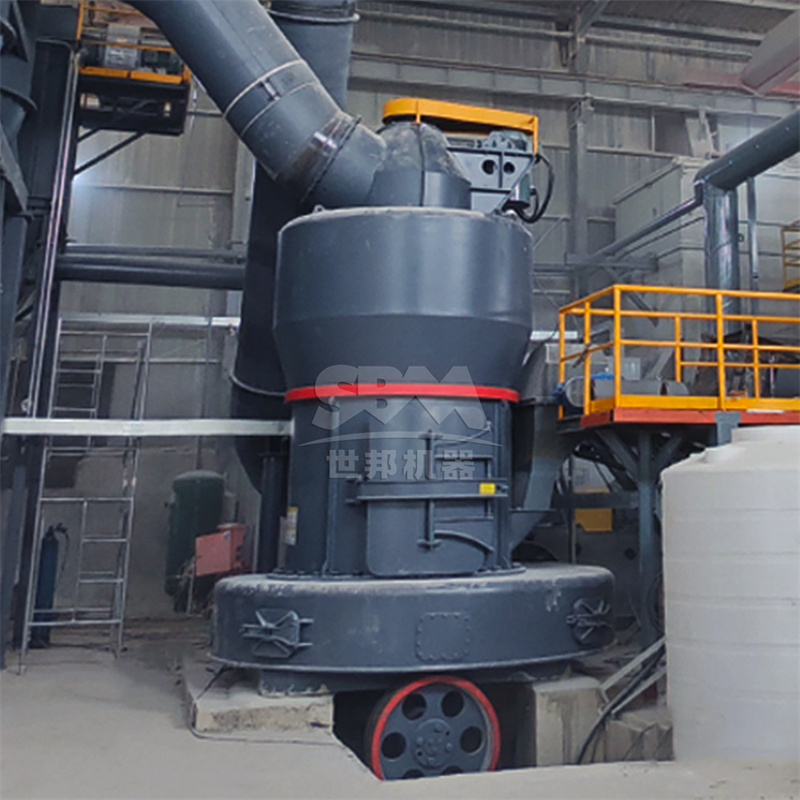
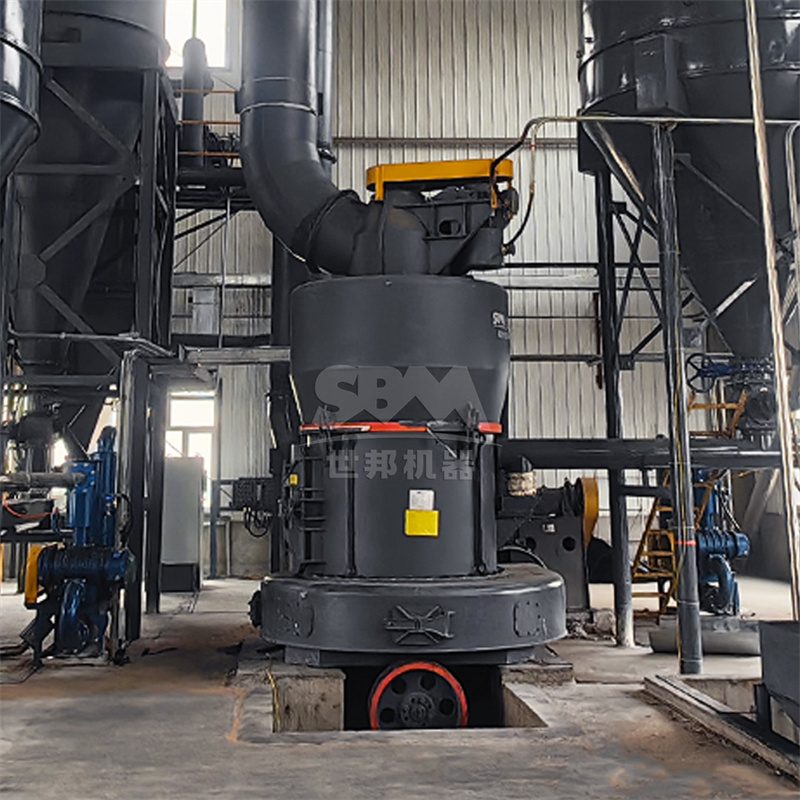
Among vertical roller mill options, the LM Series Vertical Roller Mill stands out as a proven solution for slag grinding. The LM Series incorporates an integrated design that combines crushing, grinding, drying, and classification into one system. Its non-contact roller-table design significantly extends wear part life, while the expert-level automatic control system enables real-time parameter monitoring with minimal manual intervention.
For slag-specific applications, the LM Series Vertical Slag Mill (LM130N to LM370N models) is specifically engineered for granulated blast furnace slag. With capacities ranging from 4 to 110 t/h and main motor power from 200 to 3300 kW, these mills deliver the high specific surface area required for premium GGBFS products. The fully sealed negative pressure operation ensures dust emissions meet the most stringent environmental standards.
2. Ball Mills
Ball mills have historically been the workhorse of slag grinding, particularly in regions where vertical mill technology was slower to adopt. They operate on the principle of impact and attrition: steel balls inside a rotating cylinder are lifted and dropped, crushing material through repeated impacts.
Advantages of Ball Mills for Slag:
– Simple, well-understood technology with high reliability
– Capable of producing very fine products
– Lower capital cost for smaller capacities
– Can handle variations in feed material more forgivingly
Disadvantages:
– High energy consumption (typically 40-50 kWh/t for slag)
– Large physical footprint and foundation requirements
– Significant noise and vibration
– Lower drying capability, often requiring separate drying equipment
Ball mills remain viable for projects with limited capital budgets, small-to-medium capacity requirements (under 50 t/h), or where local technical expertise strongly favors traditional technology. However, for greenfield projects above 50 t/h, vertical roller mills offer substantially better economics.
3. Ultrafine Mills for Specialized Applications
Some projects require ultrafine slag powder (specific surface area above 600 m²/kg, or below 10μm average particle size) for high-performance concrete applications or specialty cement blends. For such requirements, ultrafine grinding mills offer the precision needed.
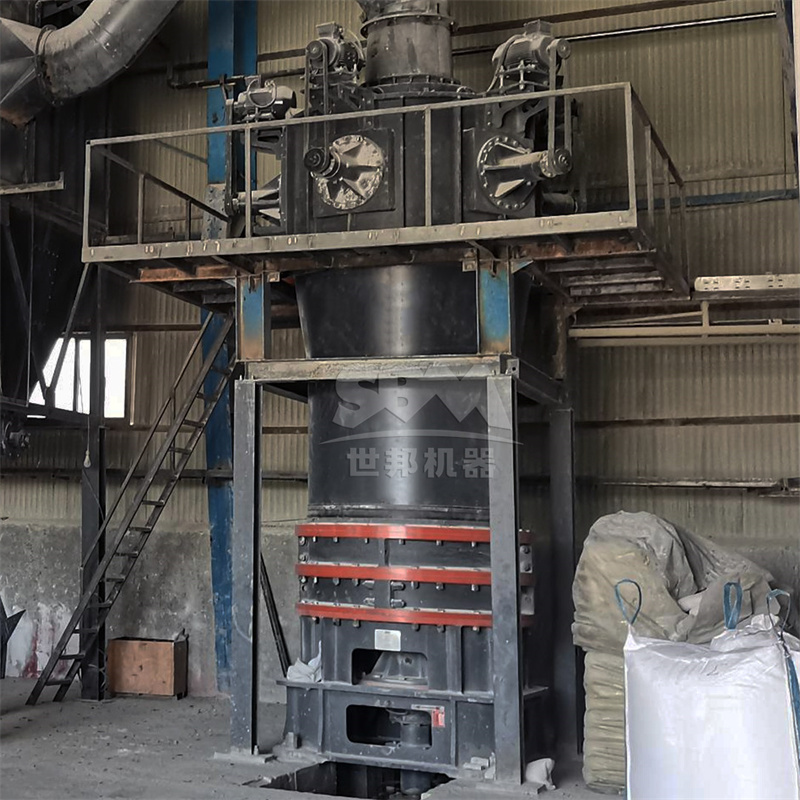
The SCM Series Ultrafine Mill is an excellent choice for producing premium-grade slag powder at 325-2500 mesh fineness. Its vertical turbine classifier achieves precise particle size cutting, ensuring no coarse powder contamination in the finished product—a critical factor when ultrafine slag is used to enhance concrete durability and strength. Notably, the SCM Series delivers capacity twice that of jet mills while consuming 30% less energy, making it both productive and cost-effective. The intelligent control system with automatic finished product granularity feedback ensures consistent quality with minimal operator attention. Models range from SCM800 (0.5-4.5 t/h) to SCM1680 (5-25 t/h), accommodating various production scales.
Critical Factors in Mill Selection
A. Capacity Requirements
The first step is to define your target production capacity. Consider both immediate needs and future expansion:
– Small scale (under 10 t/h): Suitable for regional markets or captive use. Ball mills or smaller VRMs may be appropriate.
– Medium scale (10-50 t/h): The sweet spot for most commercial slag grinding plants. VRMs dominate this segment.
– Large scale (50-200+ t/h): Dedicated VRM installations with capacities exceeding 100 t/h are common in major steel-producing regions.
B. Product Fineness
Target specific surface area determines mill selection:
– Standard GGBFS (420-450 m²/kg): Most vertical roller mills and ball mills can achieve this.
– High-grade GGBFS (500-600 m²/kg): Requires efficient VRMs or ultrafine mills.
– Ultrafine (above 600 m²/kg): Specialized ultrafine mills such as the SCM Series.
C. Moisture Content and Drying
Water slag typically arrives with 10-15% moisture. A mill with integrated drying capability eliminates the need for a separate dryer, reducing capital costs and system complexity. Vertical roller mills excel here, as hot gas flows directly through the grinding zone.
D. Energy Efficiency and Operating Cost
Energy represents 40-60% of slag grinding operating costs. The difference between a ball mill (45 kWh/t) and a VRM (28 kWh/t) over a 500,000 t/year plant translates to millions of dollars in annual savings. This differential alone often justifies the higher capital cost of a VRM within 2-3 years.
E. Environmental Compliance
Modern slag grinding plants must meet stringent environmental standards:
– Dust emissions: Below 10 mg/Nm³ in most jurisdictions
– Noise levels: Below 85 dB at operator stations
– Water discharge: Zero liquid discharge targets
Mills with integrated pulse dust collection and soundproof designs offer clear advantages. The LM Series, for example, achieves dust emissions well within international standards through its fully sealed negative pressure operation, while soundproof room designs keep noise levels within acceptable limits.
F. Grinding Circuit Configuration
Two primary circuit configurations exist:
Open Circuit: Material passes through the mill once. Simpler but less efficient for fine products.
Closed Circuit: Oversized particles are returned for re-grinding. More efficient and enables tighter particle size distribution control. Most modern VRM installations use closed-circuit configuration with dynamic classifiers.
G. Wear Protection and Maintenance
Water slag’s abrasive nature makes wear protection a critical consideration:
– Roller and table liners should be made from high-chrome alloy or ceramic composite materials
– Modular designs that allow quick replacement of wear parts minimize downtime
– Thin oil lubrication systems reduce maintenance frequency
The MTW Series European Trapezium Mill, for example, features an anti-wear shovel design with curved blades that extend grinding roller life, while its integral bevel gear drive with 98% transmission efficiency reduces both energy loss and maintenance requirements.
Economic Analysis: Making the Business Case
When evaluating grinding mill options, consider the total cost of ownership over a 10-15 year horizon:
Capital Costs (CAPEX): Vertical roller mills typically require 15-25% higher initial investment than equivalent ball mills. However, this premium is shrinking as VRM technology matures.
Operating Costs (OPEX): The picture reverses dramatically here. VRMs consume 30-40% less energy, require fewer operators, and have lower maintenance costs due to fewer moving parts and less frequent wear part replacement.
Typical comparison for a 100 t/h slag grinding plant:
| Parameter | Ball Mill System | VRM System |
|---|---|---|
| Installed Power | ~5,500 kW | ~3,500 kW |
| Energy per Ton | 45-50 kWh | 28-32 kWh |
| Annual Energy Cost (500k t/y @ $0.10/kWh) | $2.25-2.5 million | $1.4-1.6 million |
| Foundation/Civil Cost | Higher | 40-50% lower |
| Maintenance Cost/t | $1.5-2.0 | $0.8-1.2 |
The operational savings from a VRM typically offset the initial capital premium within 2-4 years, after which the plant enjoys a substantial cost advantage for the remaining 10+ years of its service life.
Application-Specific Recommendations
For large-scale commercial slag grinding (100+ t/h): The LM Series Vertical Slag Mill (LM370N) with 3,300 kW main motor is the optimal choice, delivering up to 110 t/h of high-quality GGBFS with minimal energy consumption and environmental impact.
For medium-scale projects (30-80 t/h): The LM220N or LM280N models provide an excellent balance of capacity, efficiency, and investment level. Their modular design also facilitates future capacity expansion.
For ultrafine/specialty applications: The SCM Series Ultrafine Mill delivers 325-2500 mesh products with unparalleled precision. Its capacity is 2x that of jet mills with 30% lower energy consumption, making it the most cost-effective solution for premium ultrafine slag powder.
For projects requiring flexibility across multiple materials: The MTW Series European Trapezium Mill offers versatility with output fineness from 30-325 mesh and capacities up to 45 t/h. Its optimized arc air duct reduces energy loss, while the wear-resistant volute structure reduces maintenance costs by 30%. This makes it an excellent choice for operations that may process slag alongside limestone, gypsum, or other materials.
Installation and Commissioning Considerations
Even the best mill performs poorly if not properly installed and commissioned. Key factors include:
1. Foundation Design: Vertical mills have unique dynamic loads that require properly engineered foundations. Inadequate foundation design leads to vibration issues and premature bearing failure.
2. Hot Gas System Integration: The hot gas generator, ductwork, and mill must be designed as an integrated system. Incorrect duct sizing causes pressure imbalances that reduce grinding efficiency.
3. Feed System: Consistent, controlled feed rates are essential. Variable-speed feeders with weigh-belts or loss-in-weight systems ensure stable operation.
4. Operator Training: Modern mills with advanced control systems require trained operators who understand the interrelationships between grinding pressure, airflow, classifier speed, and product fineness.
5. Spare Parts Strategy: Maintaining critical wear parts (rollers, table liners, classifier blades) in stock minimizes downtime during scheduled maintenance.
Future Trends in Slag Grinding Technology
The slag grinding industry continues to evolve:
Digitalization: AI-powered predictive maintenance and process optimization systems are becoming standard, reducing unplanned downtime and optimizing energy consumption in real-time.
Larger Single-Unit Capacities: As steel producers consolidate, demand for single mills exceeding 200 t/h continues to grow.
Alternative Binders: Alkali-activated slag systems require different fineness specifications, potentially shifting market requirements.
Carbon Capture Integration: Future slag grinding plants may integrate CO₂ capture systems, leveraging the mill’s gas handling infrastructure.
Conclusion
Selecting the right grinding mill for water slag powder production is a multifaceted decision that balances technical requirements, economic factors, and long-term operational considerations. While vertical roller mills have emerged as the technology of choice for most commercial-scale operations due to their superior energy efficiency, integrated drying capability, and environmental performance, the optimal choice depends on your specific project parameters.
For large-scale slag grinding, the LM Series Vertical Slag Mill offers proven performance with capacities up to 110 t/h and energy savings of 30-40% compared to ball mill systems. For ultrafine applications demanding the highest product quality, the SCM Series Ultrafine Mill delivers precision grinding at 325-2500 mesh with twice the capacity of jet mills at 30% lower energy consumption.
Whatever your project requirements, conducting thorough feasibility studies, visiting reference installations, and partnering with an experienced equipment supplier will ensure you make a decision that delivers optimal returns for decades to come.