
Introduction: The Growing Demand for Processed Charcoal Powder
The production of charcoal powder is a critical process for numerous industries, including metallurgy (as a carbon raiser), agriculture (as a soil amendment), water filtration, and the manufacturing of briquettes, cosmetics, and pharmaceuticals. The value and application range of charcoal are significantly enhanced by grinding it into a fine, consistent powder. However, transforming raw charcoal lumps into a high-quality powder of specific fineness requires a carefully selected and integrated processing system. This guide provides a comprehensive overview of the essential equipment needed for charcoal powder production, from primary crushing to final collection, with a focus on the core grinding technology.
1. The Complete Charcoal Powder Processing System
A professional charcoal powder production line is more than just a grinder. It is a coordinated system where each component plays a vital role in ensuring efficiency, product quality, and operational safety. A typical system includes the following stages:
1.1 Raw Material Preparation & Primary Crushing
Raw charcoal often comes in irregular lumps of varying sizes. The first step is size reduction to a consistent feed suitable for the main grinder. This is typically achieved using a Hammer Crusher or a Jaw Crusher. A hammer mill is particularly effective for brittle materials like charcoal, using high-speed rotating hammers to shatter the lumps into smaller pieces, usually under 20-40mm.
1.2 Conveying & Feeding
After primary crushing, material needs to be transported to the grinding mill. Bucket Elevators (for vertical transport) and Belt Conveyors or Screw Conveyors (for horizontal transport) are commonly used. A controlled feeding device, such as a vibrating feeder or screw feeder, is crucial to ensure a steady and regulated flow of material into the grinding chamber, preventing overload and ensuring optimal grinding conditions.
1.3 The Core Stage: Grinding & Classification
This is the heart of the powder production line. The choice of grinding mill determines the final powder’s fineness, output capacity, and energy efficiency. The ground powder is immediately classified by an integrated or separate classifier, which separates particles that have reached the target size from those that require further grinding. The coarse material is recirculated, creating a closed-circuit grinding system for maximum efficiency.
1.4 Powder Collection & Dust Control
Charcoal dust is combustible and a significant environmental and health concern. An efficient, sealed collection system is non-negotiable. A Cyclone Collector is used as a primary collector to separate the bulk of the powder from the air stream. This is followed by a Pulse Jet Baghouse Dust Collector, which captures fine particles with an efficiency exceeding 99.9%, ensuring clean exhaust air and maximizing product yield. All equipment should be designed for negative pressure operation to prevent dust leakage.
1.5 Storage & Packaging
The finished powder is conveyed to storage silos. For fine charcoal powders, anti-caking agents or dehumidification systems might be necessary. Finally, automated packaging machines (valve baggers, big bag stations) pack the product for shipment.
2. Key Grinding Machines for Charcoal: A Technical Comparison
Selecting the right grinder depends primarily on the desired output fineness (mesh size) and the required production capacity. Here’s a breakdown of the most suitable technologies.
2.1 For Coarse to Medium Fineness (30-325 Mesh / 600-45μm)
When producing charcoal powder for applications like briquettes or certain industrial uses where ultra-fineness is not critical, robust and high-capacity mills are ideal.
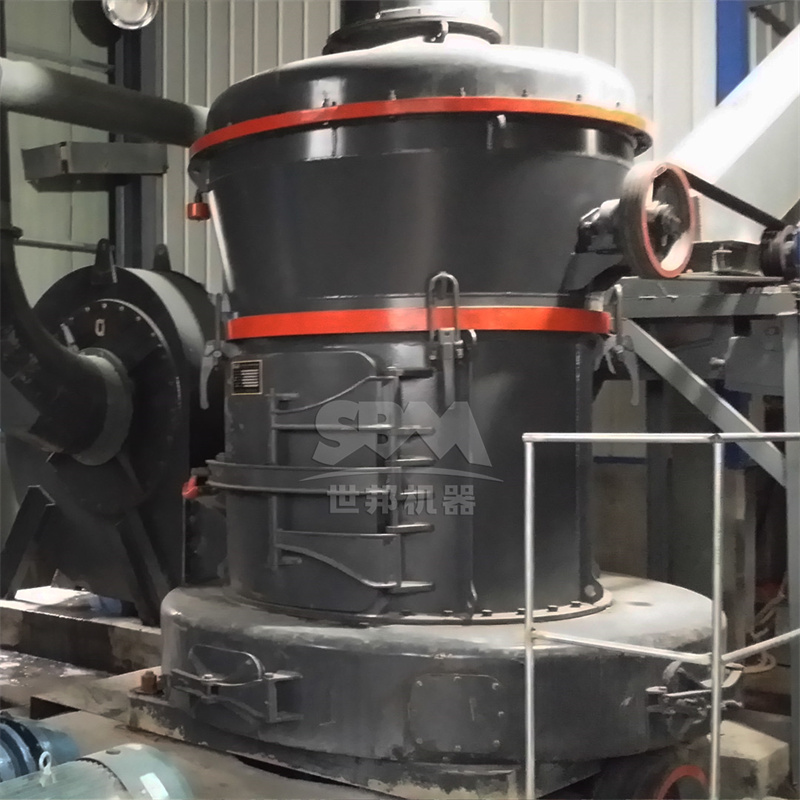
Recommended Technology: MTW Series European Trapezium Mill
This mill is an excellent choice for high-volume production of charcoal powder in the 30-325 mesh range. Its advanced design features, such as the curved shovel blade that reduces wear and the integral bevel gear transmission with 98% efficiency, make it a reliable and cost-effective workhorse. The optimized arc air duct and wear-resistant volute structure contribute to stable operation and lower maintenance costs. For operations targeting a capacity between 3 to 45 tons per hour with consistent medium-fine powder, the MTW series offers a perfect balance of performance and durability.
2.2 For Fine to Ultra-Fine Fineness (325-2500 Mesh / 45-5μm)
Applications in advanced materials, specialized filters, or high-value additives demand charcoal powder with a much finer and more uniform particle size distribution.
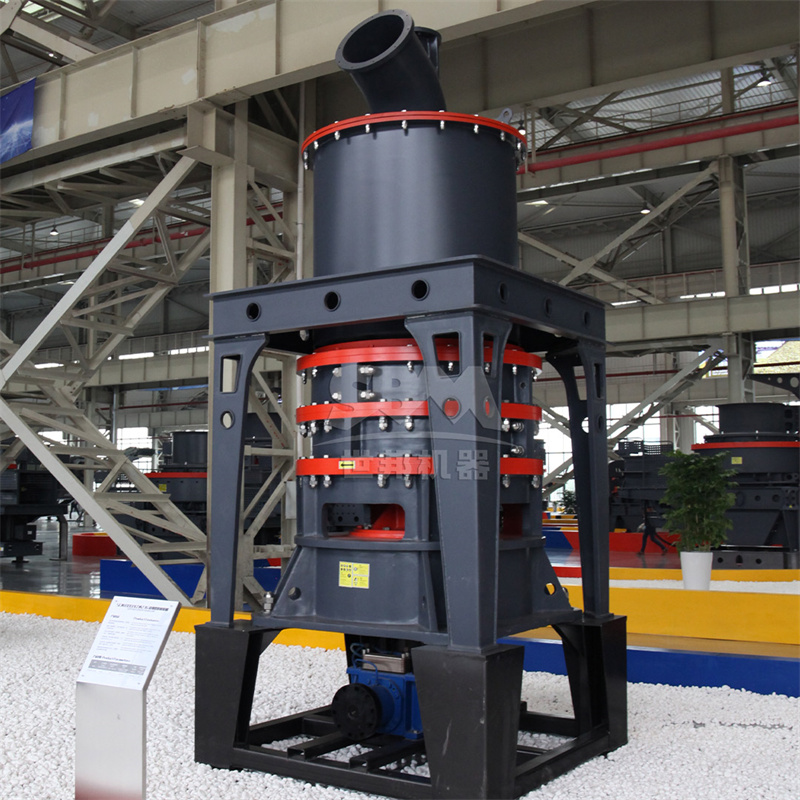
Recommended Technology: SCM Series Ultrafine Mill
For producing high-value, ultra-fine charcoal powder, the SCM Series Ultrafine Mill is the industry-leading solution. Engineered for precision and efficiency, it excels in the 325 to 2500 mesh range (5-45μm). Its core advantages directly address the challenges of fine grinding:
- High Efficiency & Energy Saving: It delivers over twice the capacity of traditional jet mills while consuming 30% less energy, thanks to its layered grinding principle and intelligent control system that provides automatic finished product granularity feedback.
- High-Precision Classification: The vertical turbine classifier ensures precise particle size cutting, guaranteeing a uniform product without coarse powder mixing.
- Durable Design: Special material grinding rollers and rings extend service life significantly, and the shaftless screw design in the grinding chamber ensures stable, long-term operation critical for continuous production lines.
- Eco-friendly & Low Noise: With a pulse dust collection system exceeding international standards and a soundproof room design, it operates cleanly and quietly.
With models like the SCM800 (0.5-4.5 t/h) up to the SCM1680 (5.0-25 t/h), this mill can be scaled to meet any production need for premium charcoal powders.
2.3 Other Grinding Options
- Raymond Mill (MTM Series): A traditional choice for medium-fine powder, suitable for smaller-scale operations. Its spring pressure system provides good adaptability.
- Ball Mill: A versatile option capable of both dry and wet grinding. It is reliable but generally less energy-efficient than roller mills for dry powder production and is better suited for coarser grinds (0.074-0.8mm).
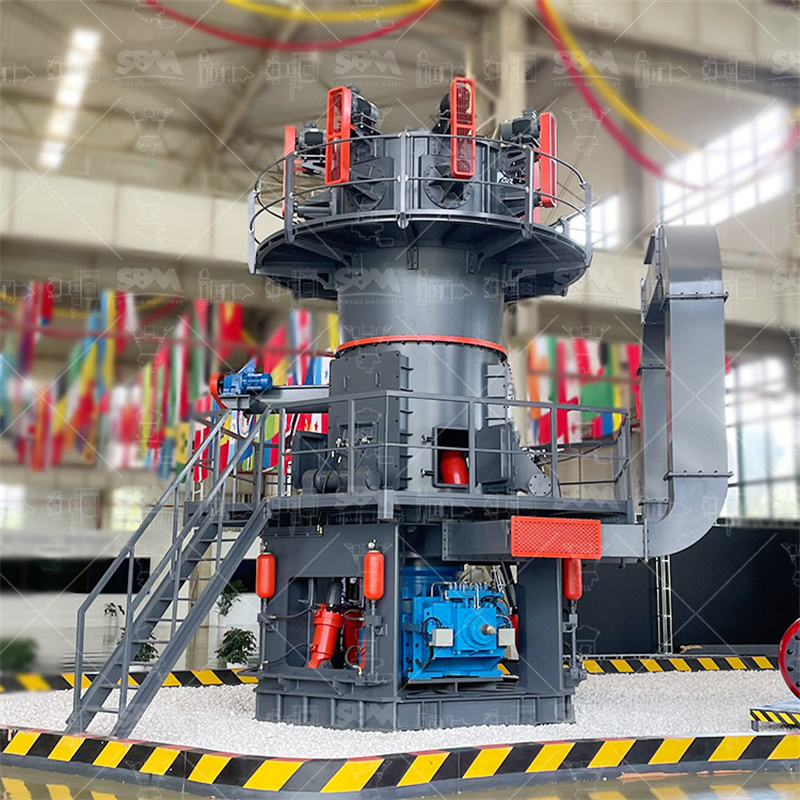
- Vertical Roller Mill (LM Series): Excellent for large-scale production of medium-fine powders. Its integrated design reduces footprint and offers low operating costs, making it suitable for mega-projects.
3. Critical Considerations for System Design and Safety
3.1 Explosion Protection & Safety
Charcoal dust is explosive. The entire system must incorporate safety measures such as:
– Explosion vents or suppression systems on mills, cyclones, and filters.
– Conductive equipment and proper grounding to prevent static electricity buildup.
– Nitrogen inerting systems for high-risk zones.
– Strict no-spark design in all mechanical components.
3.2 Moisture Control
The moisture content of raw charcoal significantly affects grindability, efficiency, and safety. Excess moisture can cause clogging and increase explosion risk. A rotary dryer may be required upstream of the grinding circuit if moisture is too high.
3.3 System Integration & Automation
A modern plant utilizes Programmable Logic Controller (PLC) systems to monitor and control feed rate, grinding temperature, classifier speed, and fan pressure. Automation ensures consistent product quality, maximizes throughput, and minimizes human error and intervention.
Conclusion: Building an Optimized Charcoal Powder Plant
Success in charcoal powder production hinges on selecting equipment that matches your specific product specifications and business scale. A holistic approach—from crusher to packer—ensures smooth operation, high yield, and a safe working environment. For operations targeting the high-growth market of ultra-fine charcoal powders, investing in advanced technology like the SCM Series Ultrafine Mill is a strategic decision that pays dividends in product quality, operational efficiency, and environmental compliance. Similarly, for large-volume standard powder production, the MTW Series European Trapezium Mill provides unmatched reliability and cost-effectiveness. Always consult with experienced equipment suppliers who can provide not just machines, but complete system engineering and critical safety guidance.