
Producing high-quality dolomite powder, particularly at a target fineness of 100 mesh (approximately 150 microns), is a common requirement in industries such as construction, agriculture, glass manufacturing, and plastics. Achieving consistent particle size, high throughput, and cost-effective operation requires a carefully selected grinding system. This article provides a comprehensive guide to the essential equipment needed for a successful 100-mesh dolomite powder production line and explores optimal grinding solutions.
1. Understanding the Production Process Flow
A complete production line for 100-mesh dolomite powder involves more than just a grinding mill. It is a systematic process where each piece of equipment plays a critical role in ensuring final product quality and operational efficiency. The standard flow typically includes:
- Primary Crushing: Large dolomite rocks (often 0-500mm) are reduced to a smaller, manageable size (typically below 50mm) using a jaw crusher or hammer crusher.
- Intermediate Storage & Feeding: A vibrating feeder and conveyor system ensure a steady and controlled supply of crushed material to the grinding mill.
- Grinding (The Core Stage): The pre-crushed dolomite is fed into a grinding mill, where it is pulverized to the target fineness of 100 mesh.
- Classification: An integrated or separate classifier separates fine powder that meets the specification from coarse particles, which are returned for further grinding.
- Dust Collection & Product Conveying: A pulse jet bag filter or cyclone collector captures fine powder, ensuring a clean working environment and high product recovery. The final product is then conveyed to storage silos.
- Packaging & Storage: The finished dolomite powder is packaged in bags or stored in bulk silos for shipment.
2. Key Equipment for 100-Mesh Dolomite Grinding
Selecting the right grinding mill is paramount. The choice depends on factors like required capacity, energy efficiency goals, installation space, and total investment budget. For 100-mesh (150μm) production, several types of mills are highly effective.
2.1. Raymond Mill (MTW Series European Trapezium Mill)
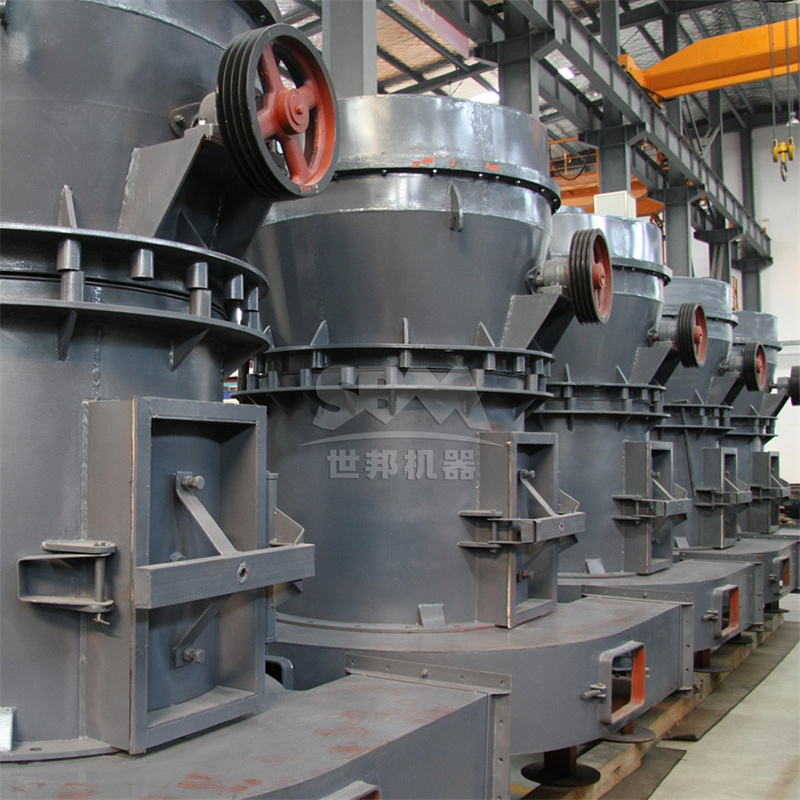
For classic, reliable, and efficient production of 100-mesh powder, the updated Raymond mill, such as the MTW Series European Trapezium Mill, is an industry staple. It is perfectly suited for fineness ranging from 30 to 325 mesh.
Why it’s ideal for 100-mesh dolomite:
- Precise Classification: Its advanced classifier ensures sharp particle size cuts, producing uniform 100-mesh powder with minimal oversize or fines.
- High Efficiency & Durability: Features like the curved anti-wear shovel blade and integral bevel gear drive (98% transmission efficiency) translate to lower wear, reduced maintenance costs, and stable, long-term operation.
- Excellent Capacity: With models offering capacities from 3 to 45 tons per hour, it can meet small to large-scale production demands.
- Eco-friendly Operation: The system is designed with a wear-resistant volute and efficient dust collection ports, minimizing dust emission and ensuring environmental compliance.
For a robust and cost-effective solution focused on the 100-325 mesh range, the MTW series, such as the MTW138Z model (capacity 6-17 t/h), offers an outstanding balance of performance, reliability, and operational economy.
2.2. Vertical Roller Mill (LM Series)
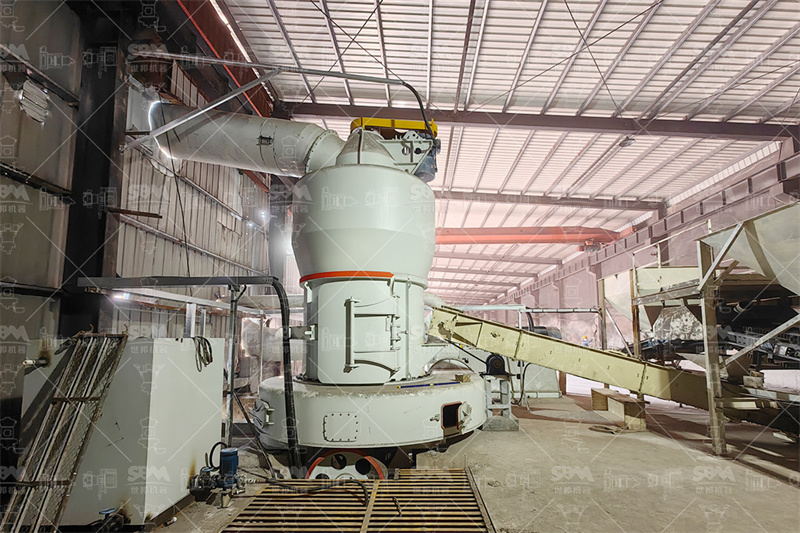
For producers seeking maximum energy efficiency and large-scale output, the LM Series Vertical Roller Mill is a superior choice. It integrates crushing, grinding, drying, and classification in a single unit.
Advantages for dolomite processing:
- Significant Energy Savings: Its grinding principle consumes 30-40% less energy than traditional ball mills, dramatically reducing operating costs.
- Large Capacity & Compact Footprint: The integrated design reduces floor space by up to 50% while offering very high throughput (3-250 t/h).
- Intelligent Control: An expert-level automatic control system allows for precise adjustment and stable product quality with minimal manual intervention.
- Low Wear: The non-contact design between rollers and the grinding table, along with easily replaceable wear parts, extends service life and lowers maintenance downtime.
2.3. Ball Mill
Ball mills are a traditional and versatile option, capable of both dry and wet grinding. They are highly reliable and can produce a wide range of fineness. However, for a dedicated 100-mesh dry production line, they are generally less energy-efficient compared to Raymond or Vertical Roller Mills. They are often preferred when the process requires subsequent stages or very high throughput in a closed-circuit with classifiers.
3. Supporting Equipment: The Complete System
A high-performance mill cannot operate in isolation. The supporting equipment is crucial for system stability and product quality.
- Jaw Crusher/Hammer Crusher: Reduces raw dolomite to a feed size suitable for the grinding mill (e.g., ≤35mm for MTW, ≤50mm for LM).
- Electromagnetic Vibrating Feeder: Ensures a consistent and controllable feed rate to the mill, which is critical for stable grinding conditions.
- Classifier: Often integrated into modern mills, it dynamically separates particles, ensuring only powder at or below 100 mesh proceeds to collection.
- Pulse Jet Bag Filter: This is the essential environmental control unit. It captures over 99.9% of airborne dust, protecting the environment, recovering product, and allowing for clean plant operation.
- Screw Conveyor & Bucket Elevator: Transport material between different stages of the process.
- Electrical Control Cabinet: Houses the PLC-based automation system that controls the entire production line, enabling smooth start-up, shutdown, and process monitoring.
4. Recommended Solution for 100-Mesh Dolomite Powder
Based on the common requirements of consistent 100-mesh quality, operational economy, and reliable performance, we highly recommend a system centered on our MTW Series European Trapezium Mill.
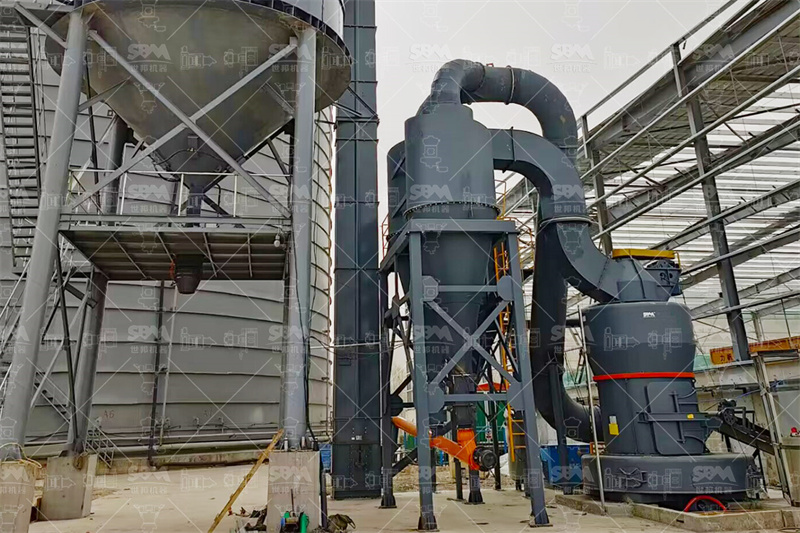
This mill is engineered specifically for the 30-325 mesh range, making 100-mesh production its core competency. Its design emphasizes wear resistance, energy savings, and precise classification. When paired with a standard configuration of a jaw crusher, vibrating feeder, and pulse dust collector, it forms a complete, turnkey production line that is easy to install, operate, and maintain.
For clients with visions of ultra-fine grinding beyond 325 mesh or those prioritizing the absolute lowest energy consumption per ton for large-scale projects, our LUM Ultrafine Vertical Roller Mill presents a formidable alternative. While capable of producing 100-mesh powder with exceptional efficiency, its true strength lies in its ability to easily produce finer powders up to 2500 mesh, offering future-proof flexibility if your product portfolio expands.
5. Conclusion
Producing 100-mesh dolomite powder efficiently requires a holistic approach to equipment selection. While the grinding mill is the heart of the process, the supporting crushers, feeders, and dust collection system are its vital organs. For most applications targeting this specific fineness, the MTW Series European Trapezium Mill offers an optimal blend of precision, reliability, and cost-effectiveness. Evaluating your specific capacity needs, site conditions, and long-term production goals with our technical experts will ensure you select the perfect equipment configuration for a profitable and sustainable dolomite powder operation.