
Introduction
Producing high-quality limestone powder, particularly at a fineness of 200 mesh (approximately 74 microns), is a fundamental process for numerous industries including construction, plastics, paints, and agriculture. The choice of grinding equipment and the design of the production line are critical factors that determine product quality, operational efficiency, and overall profitability. This guide provides a comprehensive overview of the equipment needed, compares different grinding mill technologies suitable for achieving 200 mesh fineness, and outlines the components of a complete production line.
Understanding the 200 Mesh Specification
A 200 mesh specification refers to powder that can pass through a sieve with 200 openings per linear inch. This corresponds to a particle size of about 74 microns (0.074 mm). Achieving a consistent 200 mesh product requires precise grinding and classification to ensure the majority of particles fall within the desired size range while minimizing both oversize and ultrafine fractions. The equipment must offer reliable control over the final product’s particle size distribution.
Key Equipment for a Limestone Powder Production Line
A complete production line is more than just a grinding mill. It is an integrated system designed for efficiency, reliability, and environmental compliance. The major components include:
- Raw Material Handling & Pre-Crushing: This stage involves unloading, storage, and primary size reduction. A jaw crusher or hammer mill is typically used to reduce large limestone rocks (e.g., 0-500mm) to a smaller feed size (e.g., 0-50mm) suitable for the grinding mill.
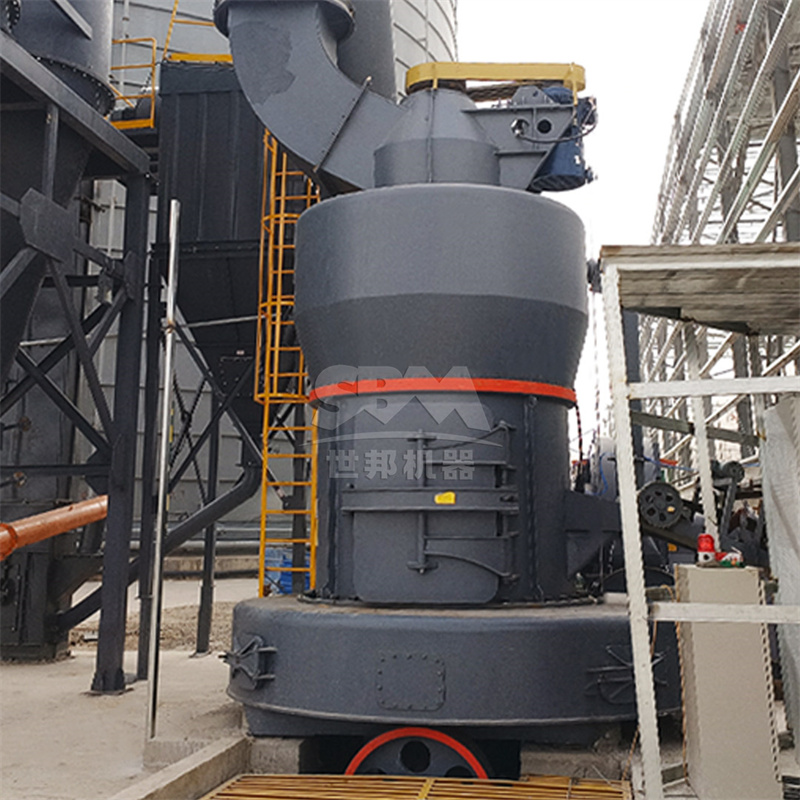
- Grinding Mill (Core Equipment): This is the heart of the production line, where the actual size reduction to 200 mesh occurs.
- Classification System: Integrated with or separate from the mill, classifiers (e.g., dynamic air classifiers) separate fine particles that meet the 200 mesh specification from coarse particles that need to be returned for further grinding.
- Product Collection & Dust Removal: A cyclone collector and a baghouse pulse dust collector are essential for capturing the final powder and ensuring emissions meet environmental standards.
- Storage & Packaging: Silos for bulk storage and automated packing machines for bagging the finished product.
- Electrical Control System: A centralized PLC control system to automate and monitor the entire production process.
Selecting the Right Grinding Mill for 200 Mesh Limestone
Several types of grinding mills can achieve a 200 mesh product. The optimal choice depends on required capacity, energy efficiency goals, capital investment, and desired product characteristics.
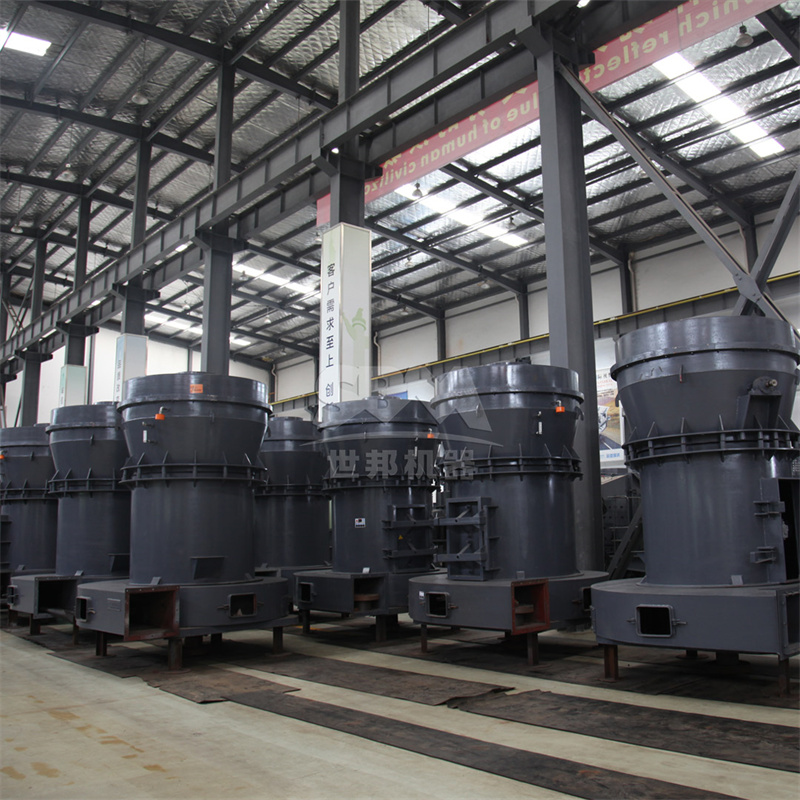
1. Raymond Mill (MTW Series European Trapezium Mill)
For producing 200 mesh limestone powder, the MTW Series European Trapezium Mill is an exceptionally robust and efficient choice. This mill is specifically engineered for grinding non-metallic minerals to finenesses between 30-325 mesh, placing 200 mesh well within its optimal operating range.
Its core advantages for this application include:
High Efficiency & Stable Output: With capacities ranging from 3 to 45 tons per hour depending on the model, the MTW series can meet a wide spectrum of production needs. Its innovative curved air duct and high-efficiency classifier ensure smooth operation and consistent product fineness.
Durability & Low Maintenance: The wear-resistant shovel design and volute structure significantly reduce wear on critical parts, lowering long-term operating costs. The integral bevel gear transmission is not only highly efficient (up to 98%) but also compact and reliable.
Intelligent Control: The mill supports advanced control systems for stable operation and easy adjustment of product fineness.
For a 200 mesh project with a medium to large capacity requirement, models like the MTW175G (9.5-25 t/h) or MTW215G (15-45 t/h) are highly recommended. They offer the perfect balance of output, energy consumption, and product quality for dedicated limestone powder production.
2. Vertical Roller Mill (LM Series)
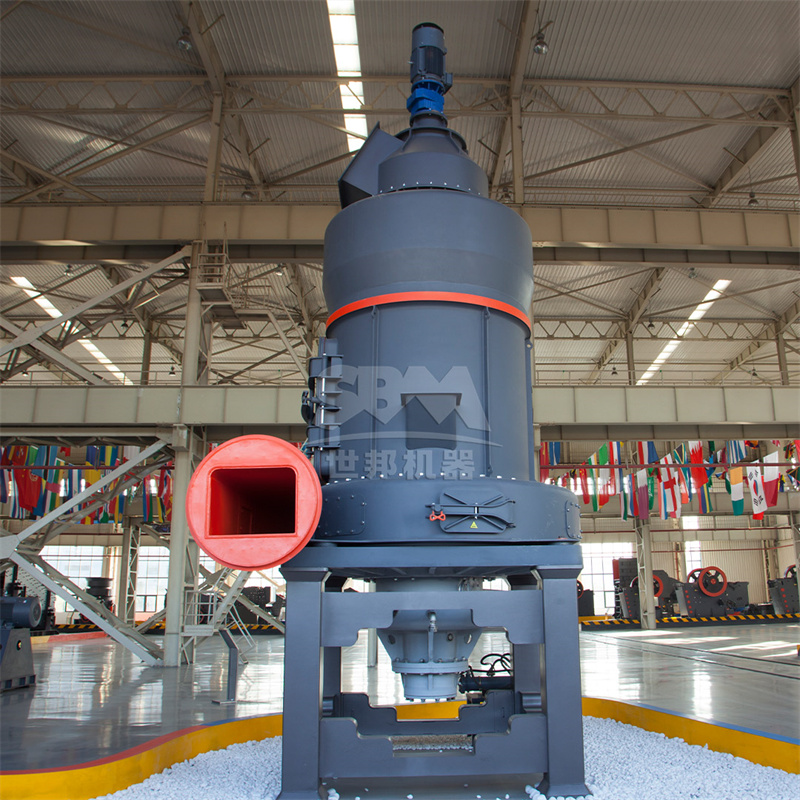
The LM Series Vertical Roller Mill represents a leap in grinding technology, offering outstanding energy savings and a small footprint. It is an excellent option for large-scale production of 200 mesh limestone powder.
Key benefits include:
Remarkable Energy Savings: Consuming 30-40% less energy than traditional ball mill systems, the LM mill drastically reduces the largest operational cost in grinding.
Integrated System: It combines crushing, grinding, drying, and classification in a single unit, reducing the plant footprint by approximately 50%.
Excellent Product Quality: The grinding principle (bed crushing) and efficient classification produce a powder with a narrow particle size distribution, ideal for 200 mesh specifications.
3. Ball Mill
The traditional ball mill is a versatile and proven technology capable of producing 200 mesh limestone powder. It operates on the principle of impact and attrition as grinding media (steel balls) cascade inside a rotating drum. While reliable, ball mills are generally less energy-efficient than vertical roller mills or advanced Raymond mills for this fineness range. They are often used in wet grinding applications or where the circuit includes a pre-crushing stage with a ball mill operating in closed circuit with a classifier.
4. Ultrafine Mill (SCM Series)
While the SCM Series Ultrafine Mill is primarily designed for producing much finer powders (325-2500 mesh), it is worth mentioning for projects that may require future flexibility or produce a portion of ultra-fine product. Its high-precision classification system and efficient grinding mechanism ensure superior product uniformity. If your production plan includes grades finer than 200 mesh, the SCM series provides a future-proof solution.
Designing the Complete Production Line
A well-designed line for 200 mesh limestone powder flows logically from raw material to finished product:
- Primary Crushing: Limestone is fed into a jaw crusher to reduce it to below 50mm.
- Pre-Homogenization & Storage: Crushed material is stored in a silo to ensure consistent feed.
- Grinding & Classification: The limestone is conveyed to the grinding mill (e.g., an MTW Series Mill). The ground material is pneumatically transported to an integrated or separate dynamic classifier. Particles meeting the 200 mesh spec pass through; oversize material is rejected back to the grinding chamber.
- Product Collection: The fine powder is collected in a cyclone separator. The tailings air then enters a pulse-jet baghouse dust collector to capture any remaining fines, ensuring clean emission.
- Storage & Packing: Collected powder is transported to product silos via screw conveyors or air slides. Finally, it is packed into bags or loaded into bulk tankers.
Conclusion
Producing 200 mesh limestone powder efficiently requires careful selection of technology and holistic line design. For most applications targeting this specific fineness, the MTW Series European Trapezium Mill stands out as the optimal workhorse, offering an ideal combination of capacity, energy efficiency, low maintenance, and superior product control. For very large-scale, dedicated plants where energy consumption is the paramount concern, the LM Series Vertical Roller Mill presents a compelling alternative. Ultimately, partnering with an experienced equipment supplier who can provide not just the mill but also engineering support for the complete production line is the key to a successful and profitable limestone powder operation.