
Introduction
High nickel matte, a critical intermediate product in nickel and platinum group metal (PGM) extraction, is a complex sulfide material primarily composed of nickel, copper, cobalt, and precious metals. Processing this valuable yet challenging material into marketable products like nickel sulfate for batteries or pure metals requires a sophisticated, multi-stage approach. The efficiency, yield, and overall economics of the entire operation hinge on the selection of appropriate processing equipment. This guide provides a comprehensive overview of the essential equipment used in high nickel matte processing, from initial size reduction to final fine grinding for downstream hydrometallurgical or pyrometallurgical operations.
Stage 1: Primary Crushing and Coarse Grinding
High nickel matte, often received in large, irregular chunks from smelting furnaces, must first be reduced to a manageable size. The primary goal here is to liberate the different metallic phases from each other to prepare for subsequent separation.
Key Equipment:
- Jaw Crushers: Used for initial size reduction, breaking large slabs of matte down to a size suitable for secondary crushers (typically below 100-150mm).
- Cone Crushers or Impact Crushers: These take the output from jaw crushers and further reduce it to a finer feed (often below 30-50mm) for the grinding circuits. Their robust construction handles the hard and abrasive nature of matte.
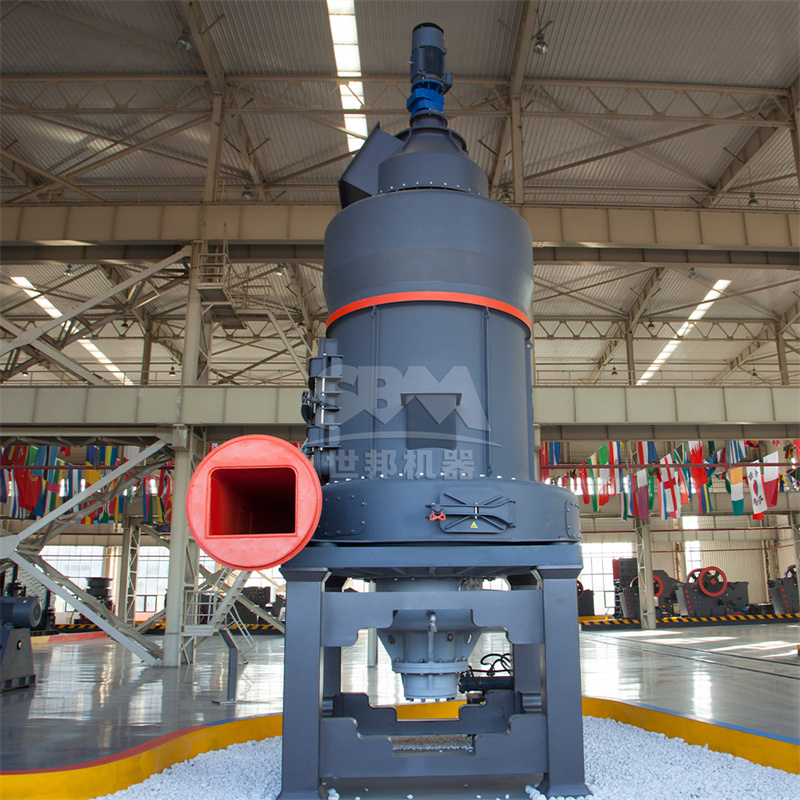
- Hammer Mills: For certain process flows requiring a specific, coarser product size (e.g., 0-3mm), hammer mills offer high capacity and a good crushing ratio. Their high-speed rotating hammers effectively shatter the brittle matte material. Models like the PC4012-90, with a capacity of 15-40 t/h and 90kW power, are well-suited for this duty, providing stable operation with wear-resistant liners for extended service life.
Stage 2: Intermediate and Fine Grinding
This is the heart of the physical processing circuit. The aim is to achieve a particle size fine enough to ensure optimal liberation of nickel sulfides from copper sulfides and other constituents, which is crucial for efficient flotation separation. The choice of grinding mill significantly impacts energy consumption and liberation efficiency.
Key Equipment:
- Ball Mills: The traditional workhorse of mineral processing. They operate by tumbling steel balls inside a rotating cylinder, crushing material through impact and attrition. They are highly reliable and can produce a product in the range of 0.074-0.8mm. For large-scale matte processing plants, models like the GMQG2445 or GMQY3660 offer capacities from tens to hundreds of tons per hour, providing the throughput necessary for continuous operation.
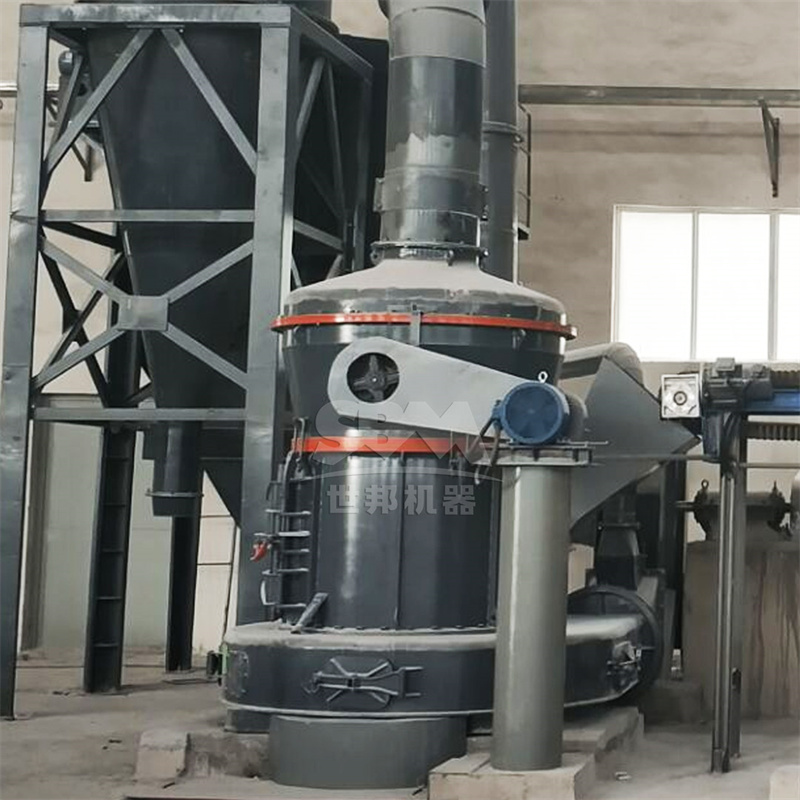
- Vertical Roller Mills (VRM): Increasingly popular due to their superior energy efficiency. VRMs grind material between a rotating table and stationary rollers. They are particularly effective for drier grinding processes and offer integrated drying, grinding, and classification. The LM Series Vertical Roller Mill is an excellent example of this technology. Its integrated design reduces floor space by 50% and lowers energy consumption by 30-40% compared to traditional ball mill systems. For processing high nickel matte to a fineness of 30-325 mesh, models like the LM190K (23-68 t/h capacity) provide a robust, low-operating-cost solution with intelligent control systems for stable product quality.
- Trapezium Mills: These medium-speed mills use rollers and rings to crush material fed by shovels. They offer a good balance of efficiency and product size control for intermediate grinding stages.
Stage 3: Ultra-Fine Grinding for Hydrometallurgical Processing
Modern hydrometallurgical routes for high nickel matte, especially those targeting battery-grade sulfate production, often require feed material with a very fine and consistent particle size. This dramatically increases the surface area, accelerating leaching kinetics and improving metal recovery rates.
Key Equipment:
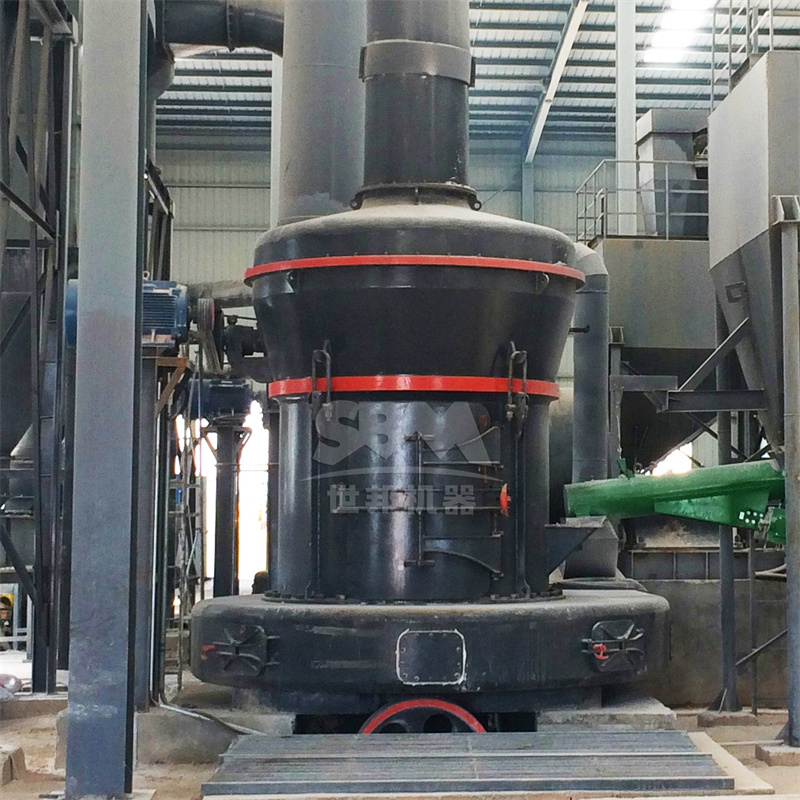
- Ultrafine Grinding Mills: This is where specialized equipment becomes critical. To achieve the necessary fineness (often in the range of 325-2500 mesh or 45-5μm), high-efficiency mills with precise classification systems are mandatory. For this demanding application, we highly recommend our SCM Series Ultrafine Mill. Engineered specifically for producing micron and sub-micron powders, it features a high-precision vertical turbine classifier that ensures no coarse powder mixes into the final product, guaranteeing uniformity. With an output fineness adjustable between 325-2500 mesh and capacities ranging from 0.5 to 25 tons per hour depending on the model, the SCM series delivers high efficiency while consuming 30% less energy than conventional jet mills. Its durable design, featuring special material rollers and rings, makes it ideal for the continuous processing of abrasive materials like nickel matte.
- Stirred Media Mills: An alternative for ultra-fine grinding, using a stirred charge of grinding beads to achieve micron-sized particles through attrition.
Stage 4: Classification and Separation
Following grinding, classification separates particles by size, and flotation separates them by mineral type.
Key Equipment:
- Hydrocyclones & Air Classifiers: Integrated with grinding mills (like in the SCM or LM series) or used as standalone units, these devices ensure the final product meets the strict particle size specifications. They return oversized particles to the mill for regrinding.
- Flotation Cells: The core of the concentration process. After fine grinding, the slurry is conditioned with reagents, and air is bubbled through it. Hydrophobic nickel-bearing minerals attach to the bubbles and are skimmed off as concentrate, while gangue or copper sulfides (depending on the process) remain in the pulp.
- Thickeners and Filters: Used to dewater the final nickel concentrate or tailings, producing a filter cake suitable for transport or feeding into the next process (e.g., a roaster or pressure leaching autoclave).
Stage 5: Auxiliary and Environmental Systems
No processing plant operates in isolation. Supporting equipment is vital for efficiency, safety, and environmental compliance.
Key Equipment:
- Dust Collection Systems: Essential throughout the dry processing stages (crushing, grinding, conveying). Modern mills like the SCM and LM series come with integrated high-efficiency pulse dust collectors that exceed international emission standards, protecting both worker health and the environment.
- Conveying Systems (Belt & Screw Feeders): Transport material between different stages of the process reliably and with minimal spillage.
- Process Control & Automation Systems: Modern plants rely on sophisticated PLC/DCS systems to monitor and control parameters like feed rate, mill load, particle size, and reagent dosage, optimizing the entire circuit for maximum recovery and throughput.
Conclusion
The successful processing of high nickel matte into high-value products demands a carefully selected and integrated chain of equipment. From robust primary crushers and energy-efficient vertical roller mills for liberation to specialized ultrafine mills like the SCM Series for advanced hydrometallurgical feed preparation, each piece plays a pivotal role. The trend is clearly moving towards equipment that offers not only high capacity and reliability but also significant energy savings, intelligent control, and superior environmental performance. By investing in the right technology for each stage, operators can ensure a processing flow that is both economically viable and technically superior, maximizing the value extracted from this strategically important material.