
Introduction
Silica powder, derived from quartz or silica sand, is a fundamental industrial material with applications spanning from glass and ceramics to electronics, construction, and advanced composites. The key to unlocking its value lies in the precise control of its particle size distribution and purity. This requires a sophisticated array of grinding and processing machinery. Selecting the right equipment is not merely a matter of capacity; it directly impacts product quality, energy efficiency, operational costs, and environmental compliance. This guide provides a comprehensive overview of the primary machinery used in silica powder production, from coarse crushing to ultra-fine grinding, and highlights critical considerations for system design.
1. The Silica Powder Production Process: A Multi-Stage Journey
Producing high-quality silica powder is a sequential process, typically involving several key stages:
- Primary Crushing: Large quartz rocks or mined silica sand are reduced to a manageable size (typically below 50mm) using jaw crushers or impact crushers.
- Washing & Beneficiation (Optional): Impurities like clay, iron oxides, and organic matter are removed through washing, magnetic separation, or flotation to achieve the desired chemical purity.
- Drying: Moisture is removed, often using rotary dryers, to prepare the material for efficient dry grinding.
- Intermediate & Fine Grinding: This is the core of the process, where the pre-crushed material is ground to the target fineness. Equipment choices here are vast and will be detailed in the following sections.
- Classification: Integrated or standalone air classifiers separate the ground powder into specified size fractions, sending oversize material back for further grinding.
- Collection & Packaging: Cyclone collectors and baghouse filter systems capture the final product, which is then stored or packaged.
2. Core Grinding Machinery for Silica
The heart of any silica powder plant is its grinding mill. The choice depends primarily on the required final particle size (fineness), production capacity, energy considerations, and capital investment.
2.1. For Coarse to Medium Grinding (600 – 45μm / 30 – 325 mesh)
This range is common for foundry sand, filler applications, and construction materials.
- Ball Mills: A traditional and robust workhorse. They operate by tumbling steel balls inside a rotating cylinder to crush material through impact and attrition. They are versatile and can produce a wide size range but are generally less energy-efficient for fine grinding and have a larger footprint. Modern designs focus on improved liners and grinding media to reduce wear.
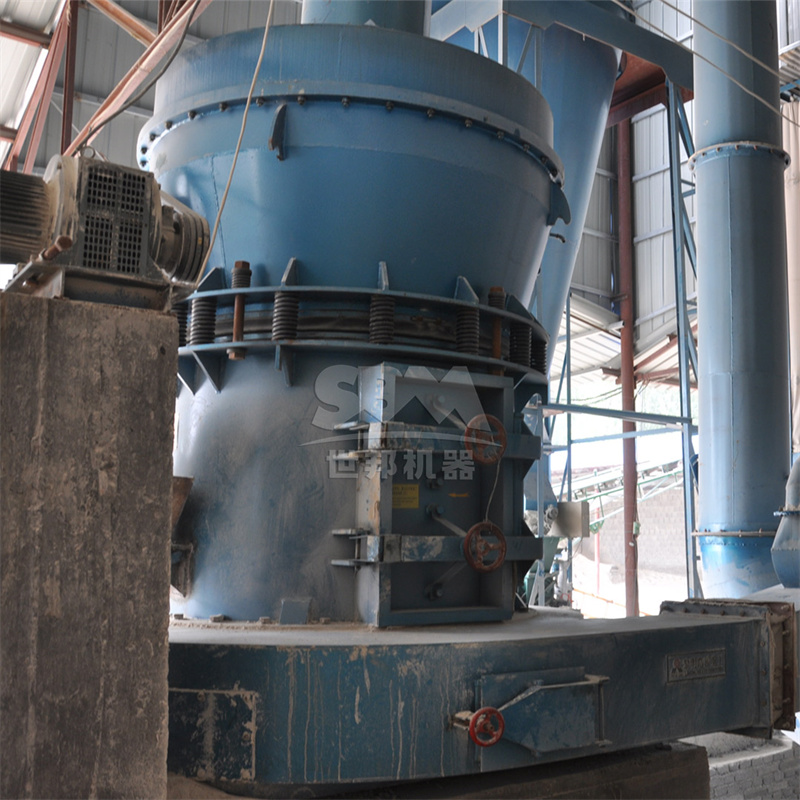
- European Trapezium Mills (e.g., MTW Series): These represent an advanced evolution of the Raymond mill. They utilize curved grinding rollers and rings, an efficient integral gear drive, and often feature internal classifiers. They offer excellent energy efficiency, lower noise levels, and better particle size control compared to traditional ball mills for this fineness range. Their modular wear parts design also simplifies maintenance.
For operations targeting high-capacity production in the 30-325 mesh range with superior energy efficiency and reliability, our MTW Series European Trapezium Mill is an exemplary solution. Its anti-wear shovel design and optimized arc air duct minimize operational costs, while the integral bevel gear drive ensures smooth, high-efficiency power transmission. With capacities from 3 to 45 tons per hour and built-in precise classification, it provides a balanced and cost-effective solution for consistent medium-fineness silica powder.
2.2. For Fine to Ultra-Fine Grinding (45 – 5μm / 325 – 2500 mesh)
Producing micron and sub-micron silica powder for high-value applications like electronics, advanced ceramics, or cosmetics demands specialized technology.
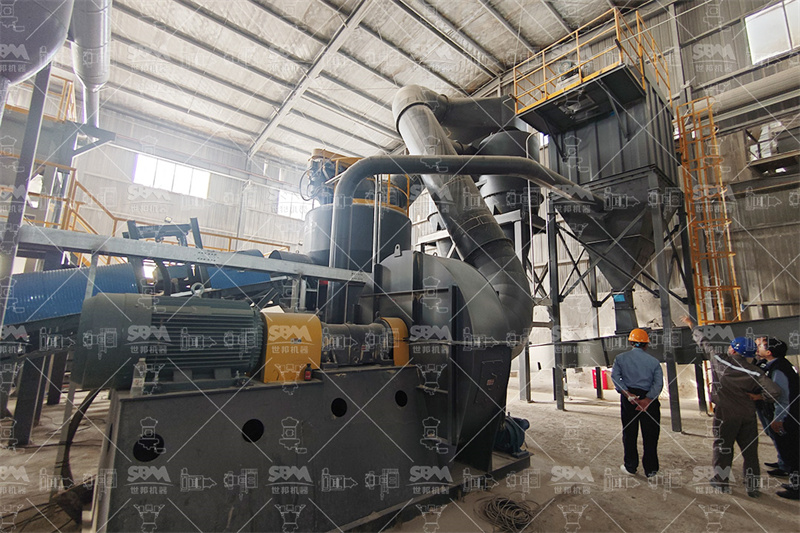
- Vertical Roller Mills (VRM): LM and LUM series mills are highly efficient for fine grinding. Material is ground between rollers and a rotating table, with immediate classification by an integrated dynamic classifier. Hot air can be introduced for simultaneous drying. VRMs offer significant advantages in energy savings (30-40% over ball mills), compact layout, and lower noise. They are ideal for large-scale production of fine silica powders.
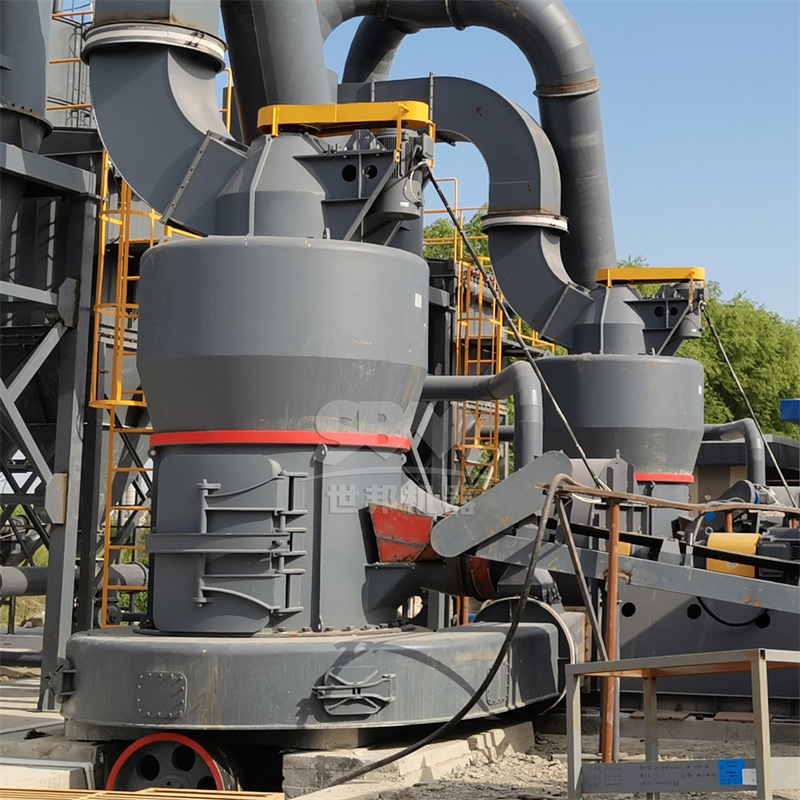
- Ultrafine Mills (e.g., SCM Series): Specifically engineered for producing powders in the 325-2500 mesh range. These mills often combine grinding mechanisms (such as roller pressure and layer grinding) with high-precision turbo classifiers. The key to their performance is the ability to generate intense grinding forces while precisely cutting the particle size distribution, preventing coarse particle contamination.
When the production goal is high-purity, ultra-fine silica powder with a tight particle size distribution, our flagship SCM Series Ultrafine Mill is the technology of choice. It excels with its high-precision vertical turbine classifier, ensuring no coarse powder mixes into the final product. Its durable design, featuring special material rollers and rings, guarantees long service life and stable operation. Furthermore, its energy-saving profile—offering twice the capacity of jet mills with 30% lower consumption—makes it an economically and technically superior solution for premium silica products.
2.3. Ancillary and Pre-Grinding Equipment
- Hammer Mills & Impact Crushers: Used for secondary crushing or pre-grinding to create a uniform feed (e.g., 0-3mm) for finer grinding mills, improving overall system efficiency.
- Air Classifiers: Standalone classifiers can be used in closed-circuit with grinding mills to enhance product uniformity or to separate a ground product into multiple size fractions.
- Dust Collection Systems: Pulse-jet baghouse filters are essential for meeting environmental standards, protecting worker health, and recovering valuable product. Efficiency exceeding 99.9% is standard for modern systems.
3. Key Selection Criteria for Silica Grinding Equipment
Choosing the right machinery involves a careful evaluation of multiple factors:
- Target Product Specifications: The required fineness (D50, D97) and particle shape are the primary drivers.
- Production Capacity: Required throughput (tons per hour) dictates the mill size and model.
- Energy Efficiency: Grinding is energy-intensive. Mills with higher grinding efficiency (e.g., VRMs, advanced trapezium mills) offer lower operational costs.
- Wear and Maintenance: Silica is highly abrasive. Equipment with wear-resistant materials (high-chrome alloys, ceramic liners) and accessible, modular wear parts drastically reduces downtime and maintenance costs.
- System Integration & Automation: Modern plants favor integrated systems (grinding+drying+classification) with PLC-based automation for consistent quality, reduced labor, and optimized performance.
- Environmental Impact: Low-noise designs and highly efficient dust collection systems are non-negotiable for sustainable and compliant operation.
4. Conclusion
The production of silica powder is a technology-driven process where the selection of grinding and processing machinery is paramount. From the robust reliability of trapezium mills for medium fineness to the precision engineering of ultrafine mills for high-value products, each piece of equipment plays a specific role in the value chain. A successful project requires matching the machinery’s capabilities—its grinding principle, classification accuracy, energy profile, and durability—to the specific product goals and economic parameters of the operation. By investing in the right technology, producers can ensure they deliver consistent, high-quality silica powder efficiently, sustainably, and competitively in the global market.