
Introduction
Cement retarders, also known as set retarders, are crucial chemical admixtures that delay the initial setting time of concrete. This is essential for hot weather concreting, long-distance transportation, and complex casting operations. The production of high-quality cement retarders, such as those based on gypsum, phosphates, lignosulfonates, or sugars, relies heavily on precise and efficient material processing. The core of this process is the grinding and milling of raw materials to achieve the specific surface area and particle size distribution required for optimal chemical reactivity and dispersion in cement. This guide explores the essential equipment used in cement retarder manufacturing plants, focusing on grinding and milling technologies, and highlights solutions for building a modern, efficient production line.
Core Process: The Imperative of Fine Grinding
The effectiveness of a cement retarder is directly linked to the fineness of its active components. Finer particles dissolve more rapidly and interact more completely with cement grains, ensuring uniform retardation and predictable performance. Therefore, the selection of grinding equipment is the most critical decision in plant design. The process typically involves primary crushing of bulk raw materials followed by secondary or tertiary fine grinding to the target micron or mesh size.
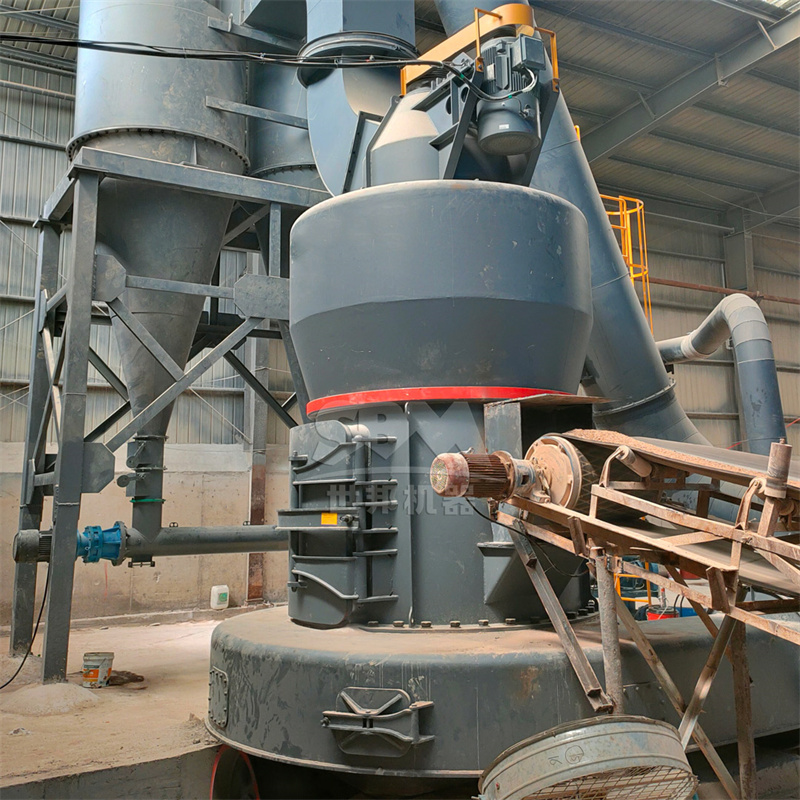
Key Equipment in a Cement Retarder Plant
1. Primary Crushing Equipment
Before fine grinding, large chunks of raw material (e.g., natural gypsum rock, phosphate rock) must be reduced to a manageable size. Jaw Crushers and Hammer Mills are commonly used for this stage.
- Jaw Crushers: Provide coarse reduction with high reliability and are ideal for hard, abrasive materials.
- Hammer Mills: Offer high reduction ratios and are suitable for softer, less abrasive materials like certain gypsum types. They can often produce a product fine enough for direct feed into some grinding mills.
2. The Heart of the Plant: Fine Grinding Mills
This is where the raw material is transformed into the fine powder that constitutes the retarder. The choice depends on required fineness, capacity, energy efficiency, and product characteristics.
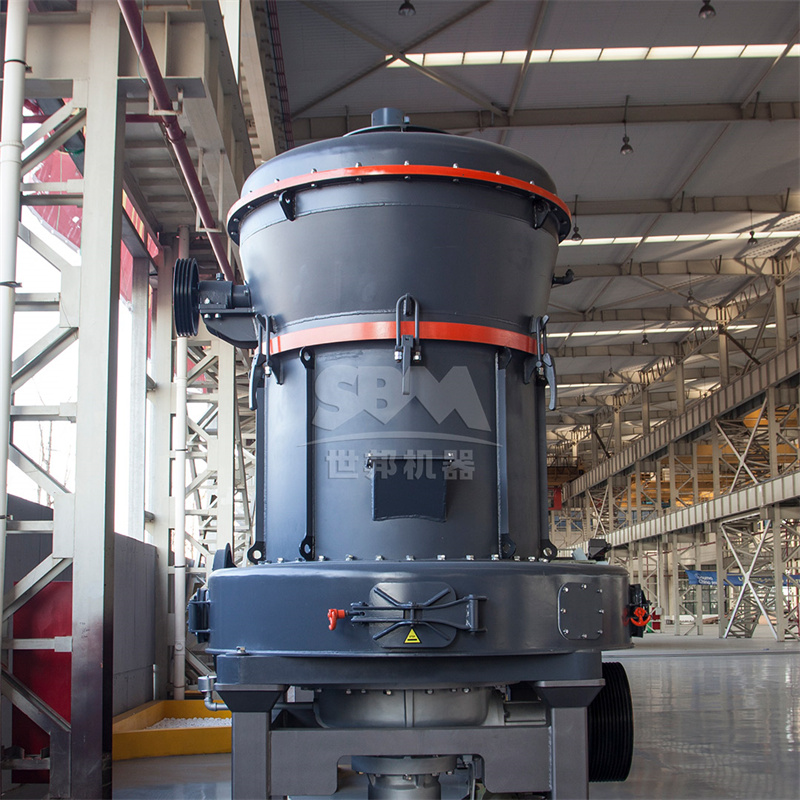
a) Raymond Mill (MTW Series European Trapezium Mill)
For producing retarders in the medium-fineness range (30-325 mesh / 600-45μm), the MTW Series European Trapezium Mill is an industry workhorse. Its curved shovel design, optimized arc air duct, and integral bevel gear drive make it highly efficient and durable. It is particularly well-suited for grinding materials like dihydrate gypsum or lignosulfonate derivatives where ultra-fine sizes are not mandatory. Models like the MTW175G (9.5-25 t/h capacity) or the MTW215G (15-45 t/h) are excellent choices for large-scale retarder production lines, offering a perfect balance of output, energy consumption, and maintenance costs.
b) Vertical Roller Mill (LM Series)
For modern, large-capacity plants aiming for high efficiency and low operating costs, the LM Series Vertical Roller Mill is a superior choice. It integrates crushing, grinding, drying, and classifying in a single unit, significantly reducing floor space. Its grinding principle (bed crushing) is more energy-efficient than traditional ball mills, consuming 30-40% less power. The LM series is versatile, capable of handling moist materials with hot air and producing fineness from 30-325 mesh, making it ideal for a wide spectrum of retarder raw materials. Its intelligent control system also ensures consistent product quality with minimal manual intervention.
c) Ball Mill
The traditional ball mill remains a reliable option, especially for wet grinding processes or where a very wide particle size distribution is acceptable. It is a robust and well-understood technology. However, for dry grinding in retarder production, it is generally less energy-efficient and has a larger footprint compared to vertical roller mills or advanced trapezium mills.
d) Ultrafine Grinding Mill (SCM Series)
When the retarder formulation demands exceptionally fine or ultra-fine powders (325-2500 mesh / 45-5μm) to achieve maximum surface area and reactivity, an SCM Series Ultrafine Mill is the definitive solution. This mill is engineered for high-precision classification and energy-efficient fine grinding. Its vertical turbine classifier ensures no coarse powder mixes into the final product, guaranteeing uniformity. For manufacturers producing high-performance retarders where particle size control is paramount, the SCM series offers unparalleled results. A model like the SCM1000, with a capacity of 1.0-8.5 t/h and the ability to produce powder up to 2500 mesh, is perfectly suited for premium-grade retarder production. Its high efficiency, durable design with special material rollers, and eco-friendly operation with pulse dust collection make it a future-proof investment.
3. Classification and Separation Equipment
Integrated or standalone classifiers (like dynamic classifiers in LM or MTW mills) are essential for controlling the top particle size. Cyclone collectors and baghouse dust collectors (pulse jet type) are critical for product recovery and ensuring a dust-free, environmentally compliant plant. The efficiency of the dust collection system directly impacts product yield and workplace safety.
4. Drying, Conveying, and Storage
If raw materials have high moisture content, rotary dryers or the integrated drying capability of a Vertical Roller Mill are necessary. Pneumatic conveying systems or screw conveyors transport powder between stages. Finally, large silos for raw material and finished product storage, equipped with aeration pads and discharge systems, are required for continuous operation.
5. Packaging and Automation
The final retarder powder is typically packaged in bags (valve bags for bulk) or delivered to bulk tanker trucks. Automated weighing and packaging lines improve efficiency. Furthermore, a central PLC-based control system can monitor and automate the entire production process, from raw material feed to packaging, ensuring consistency and reducing labor costs.
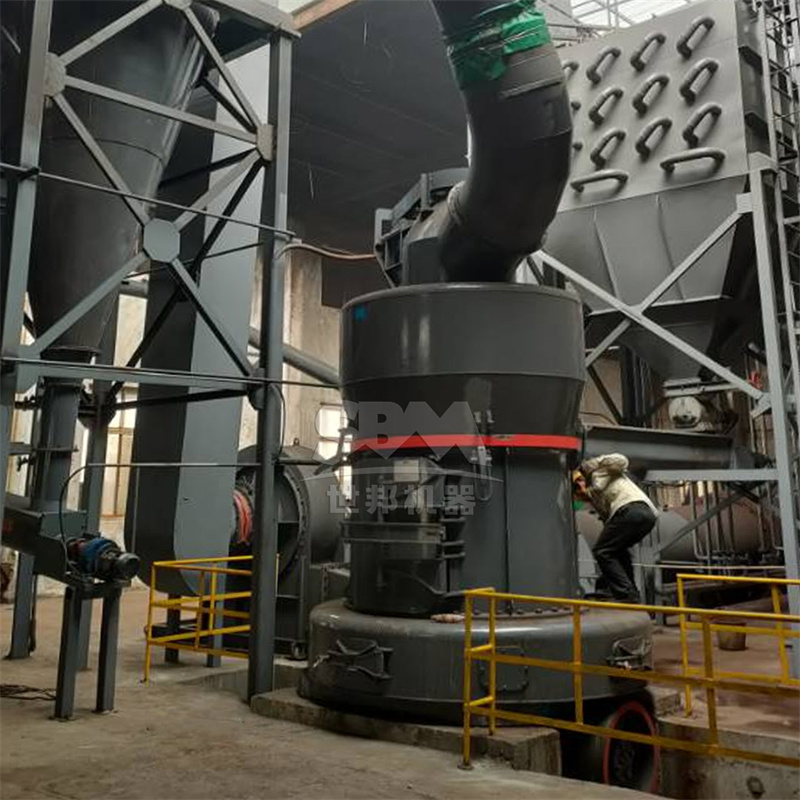
Designing an Efficient Production Line
A successful plant layout integrates these equipment pieces into a coherent flow. Key considerations include:
- Material Characteristics: Hardness, abrasiveness, moisture, and target fineness dictate the primary equipment selection.
- Production Capacity: Defines the scale and model of the core mill and ancillary equipment.
- Energy Efficiency: Opting for modern mills like the LM Vertical Roller Mill or SCM Ultrafine Mill can drastically reduce long-term operating costs.
- Environmental Compliance: A closed-loop system with high-efficiency dust collectors is non-negotiable.
- Future Flexibility: Choosing modular or scalable equipment allows for future expansion or product diversification.
Conclusion
The production of cement retarders is a sophisticated process centered on precision grinding. Moving beyond traditional technologies like basic ball mills to advanced, integrated systems is key to achieving competitiveness. Equipment such as the MTW Series European Trapezium Mill for robust, medium-fine grinding and the SCM Series Ultrafine Mill for top-tier, ultra-fine products represent the cutting edge in milling technology. By investing in the right equipment—from primary crushers to high-efficiency mills and intelligent control systems—manufacturers can build a plant that delivers consistent, high-quality cement retarders with optimal energy usage, minimal environmental impact, and maximum profitability.