
Introduction: The Critical Role of Activated Carbon Powder in Modern Life
Activated carbon powder, a highly porous form of carbon with an immense surface area, is an indispensable material in countless daily necessities. From water purification filters and air purifiers to personal care products like toothpaste and facial masks, and even in food processing for decolorization, its adsorptive properties are harnessed to remove impurities, odors, and contaminants. The efficacy of these end-products is directly tied to the quality of the activated carbon powder used, which in turn is determined by the precision and efficiency of the grinding and milling equipment employed in its production. This article delves into the specialized machinery required to transform raw activated carbon into the fine, consistent powders that meet the stringent demands of consumer goods manufacturing.
From Raw Material to Fine Powder: The Production Journey
The production of activated carbon powder begins with carbon-rich source materials like coconut shells, wood, or coal. After a process of carbonization and activation (often using steam or chemicals to create the porous structure), the material is in a granular or lump form. To be incorporated into daily necessities, it must be pulverized into a fine powder with a very specific and consistent particle size distribution (PSD). The choice of grinding equipment is paramount, as it must achieve the target fineness without degrading the delicate pore structure of the carbon—its most valuable asset—and must do so efficiently and cleanly.
Key Equipment in the Activated Carbon Powder Production Line
A complete production line typically involves several stages of size reduction and classification.
1. Primary and Secondary Crushing
Large lumps of activated carbon are first reduced to smaller, more manageable chips (typically below 50mm). Equipment like Hammer Mills are often used here. For instance, a model like the PC4012-90 Hammer Mill, with a capacity of 15-40 t/h and an output size of 0-3mm, provides a robust and efficient first stage of size reduction, preparing the material for fine grinding.
2. Fine Grinding & Ultrafine Milling (The Core Stage)
This is the most critical stage, determining the final powder characteristics. Different mill types are selected based on the required fineness (mesh size), capacity, and energy efficiency goals.
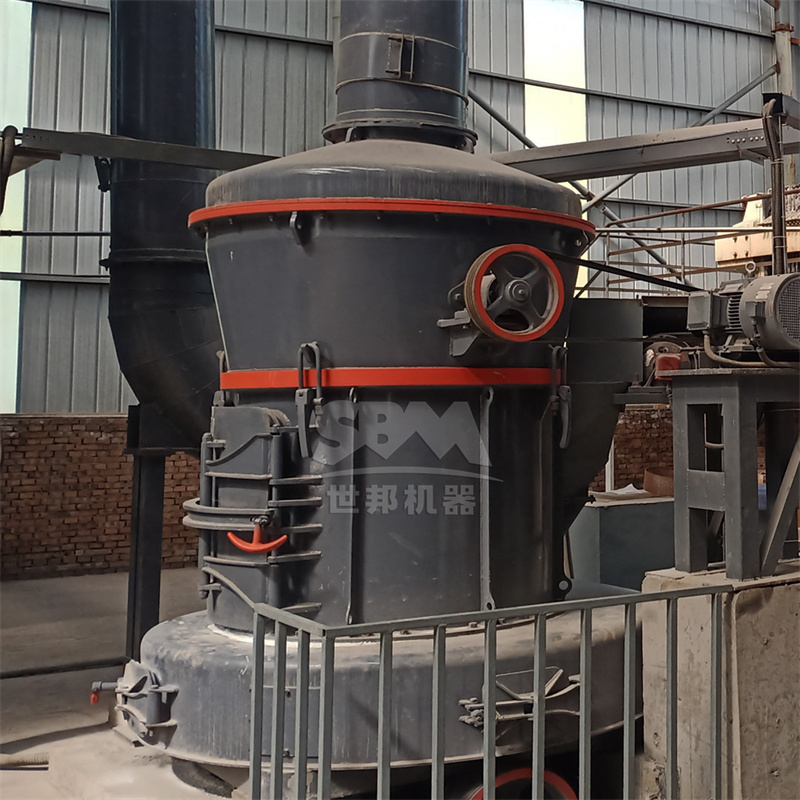
- For Coarse to Medium Fineness (30-325 mesh / 600-45μm): Grinding systems like the MTW Series European Trapezium Mill or the LM Series Vertical Roller Mill are highly effective. The MTW Series, with its anti-wear shovel design and integral bevel gear drive (98% transmission efficiency), offers excellent reliability for high-capacity production (3-45 t/h). Its optimized arc air duct and wear-resistant volute structure ensure stable operation and consistent output for applications like larger water filter media.
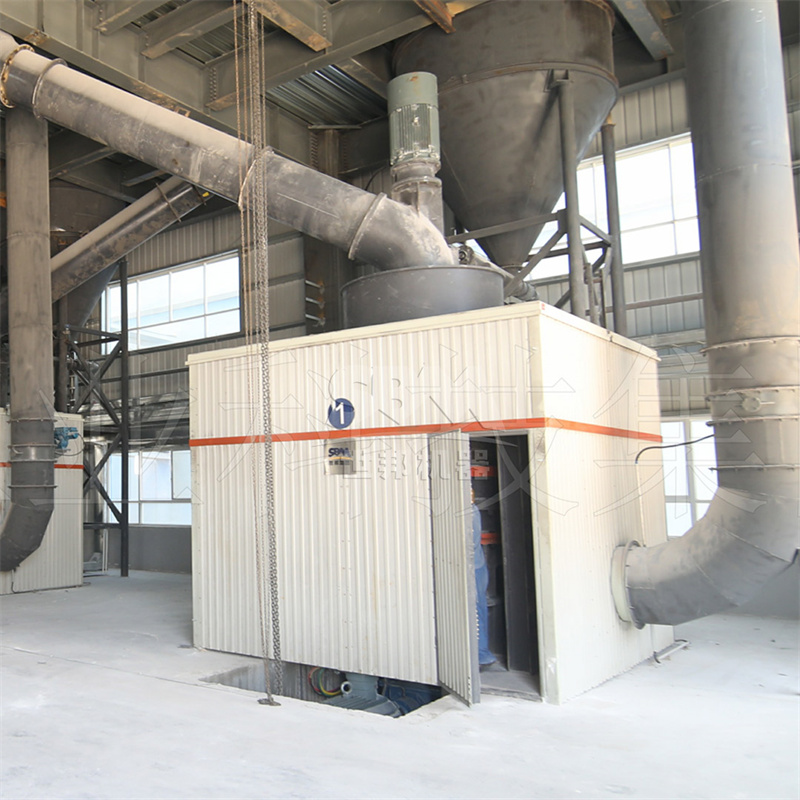
- For Ultrafine Fineness (325-2500 mesh / 45-5μm): This range is crucial for high-grade cosmetics, specialized filters, and coatings. Here, ultrafine grinding mills are essential. The SCM Series Ultrafine Mill is a standout solution for this application. Engineered to produce powders from 325 to 2500 mesh, it combines high efficiency with remarkable precision. Its vertical turbine classifier ensures precise particle size cutting, guaranteeing a uniform finished product with no coarse powder mixing—a critical factor for product performance. Furthermore, its design is highly energy-efficient, offering capacity twice that of traditional jet mills while consuming 30% less energy, and its pulse dust collection system ensures an environmentally clean operation.
3. Classification & Collection
Integrated or standalone classifiers (like the dynamic classifiers in the LM or SCM mills) separate particles to the exact required cut point. Efficient cyclone collectors and pulse-jet baghouse dust collectors (often integrated into the mill system, as seen in the SCM and MTW series) are then used to collect the final powder without loss and to maintain a dust-free workshop environment, protecting both product yield and worker health.
Selecting the Right Mill: A Technical Comparison
Choosing between a vertical roller mill, a trapezium mill, and an ultrafine mill depends on project specifics.
| Mill Type | Ideal Output Fineness | Typical Capacity Range | Key Advantages for Activated Carbon | Example Model |
|---|---|---|---|---|
| Vertical Roller Mill (LM Series) | 30-325 mesh (up to 600 mesh) | 3-250 t/h | Extremely low operating cost, high capacity, integrated system. | LM190K (23-68 t/h) |
| European Trapezium Mill (MTW Series) | 30-325 mesh | 3-45 t/h | Robust construction, high transmission efficiency, easy maintenance. | MTW215G (15-45 t/h) |
| Ultrafine Mill (SCM Series) | 325-2500 mesh | 0.5-25 t/h | Unmatched fineness control, high-precision classification, energy-saving. | SCM1250 (2.5-14 t/h) |
Why Precision Grinding Matters for Daily Necessities
The particle size of activated carbon powder directly impacts its adsorption kinetics, flowability, and how it integrates into final products. In a facial mask, powder that is too coarse can be abrasive, while in a water filter cartridge, inconsistent size can lead to channeling and reduced filtration efficiency. Therefore, a mill that offers not just fine grinding but also precise classification is non-negotiable for high-value applications. This is where technology like that in the SCM Ultrafine Mill shines, providing the control needed for premium product manufacturing.
Conclusion: Investing in the Right Technology for Quality and Efficiency
The production of high-quality activated carbon powder for daily necessities is a sophisticated process that hinges on advanced milling technology. From the robust primary crushing of hammer mills to the high-capacity grinding of MTW or LM series mills, and ultimately to the precision ultrafine processing of specialized equipment like the SCM Series Ultrafine Mill, each machine plays a vital role. For manufacturers aiming to lead in the competitive market of consumer goods, partnering with equipment providers that offer reliable, efficient, and precise grinding solutions is a strategic investment. It ensures not only the superior performance of the final activated carbon product but also the operational efficiency and environmental sustainability of the production process itself.