
Calcium hydroxide (Ca(OH)2), also known as slaked lime or hydrated lime, is a versatile industrial chemical with applications ranging from water treatment and construction to food processing and flue gas desulfurization. The production of high-quality calcium hydroxide powder is a critical process that hinges on selecting the right grinding and classification equipment. The choice of mill directly impacts the final product’s particle size distribution, purity, brightness, reactivity, and overall production economics. This guide explores the essential equipment used in processing calcium hydroxide, from primary crushing to fine and ultrafine grinding, and provides insights into designing efficient production lines.
1. From Quicklime to Powder: The Calcium Hydroxide Production Process
The journey of calcium hydroxide begins with calcium carbonate (limestone), which is calcined at high temperatures to produce calcium oxide (quicklime, CaO). This quicklime is then carefully hydrated with water in a controlled exothermic reaction—a process called slaking—to form calcium hydroxide. The resulting product, often a coarse paste or powder, requires further processing to meet specific market specifications.
The key processing stages typically involve:
- Primary Size Reduction: Breaking down larger lumps of hydrated lime into a manageable feed size for grinding mills.
- Drying (if necessary): Reducing moisture content to prevent clogging in dry grinding systems.
- Fine Grinding & Classification: The core stage where the material is pulverized to the target fineness and separated by size.
- Collection & Packaging: Efficiently capturing the finished powder and preparing it for storage or shipment.
The heart of this system is the grinding mill, whose technology defines the product’s characteristics and the line’s efficiency.
2. Key Equipment for Grinding Calcium Hydroxide
Different applications demand different fineness levels. Construction-grade lime may require 100-200 mesh, while high-purity industrial or food-grade applications often need ultrafine powders of 325 mesh (45μm) and beyond. The following equipment categories are central to these processes.
2.1. Primary and Pre-Grinding Equipment
Before fine grinding, material often needs preliminary size reduction.
- Jaw Crushers & Hammer Mills: Used to crush large lumps of hydrated lime into smaller pieces (typically below 50mm). Hammer mills are particularly effective for brittle materials like lime and can produce a pre-milled feed.
- Pre-Grinding Vertical Roller Mills: For very high-capacity lines, vertical roller mills like the LM-Y series can be used for integrated pre-grinding. These mills utilize a bed grinding principle, offering high throughput with significantly lower energy consumption (30-50% less than traditional ball mills) for size reduction to a few millimeters. Their hydraulic system allows for quick roller changes, minimizing downtime.
2.2. Fine Grinding Mills (45μm – 600μm / 325 – 30 Mesh)
This range covers most industrial applications. The choice depends on required capacity, energy efficiency, and product uniformity.
- Ball Mills: The traditional workhorse. Ball mills are robust and capable of producing a wide range of fineness. However, for calcium hydroxide, they can be less energy-efficient and generate more heat, potentially affecting product quality. They are often used in wet grinding processes for lime slurry production.
- Raymond Mills (Roller Mills): A common choice for dry grinding of non-metallic minerals. They use centrifugal force and spring-loaded rollers to crush material against a stationary ring.
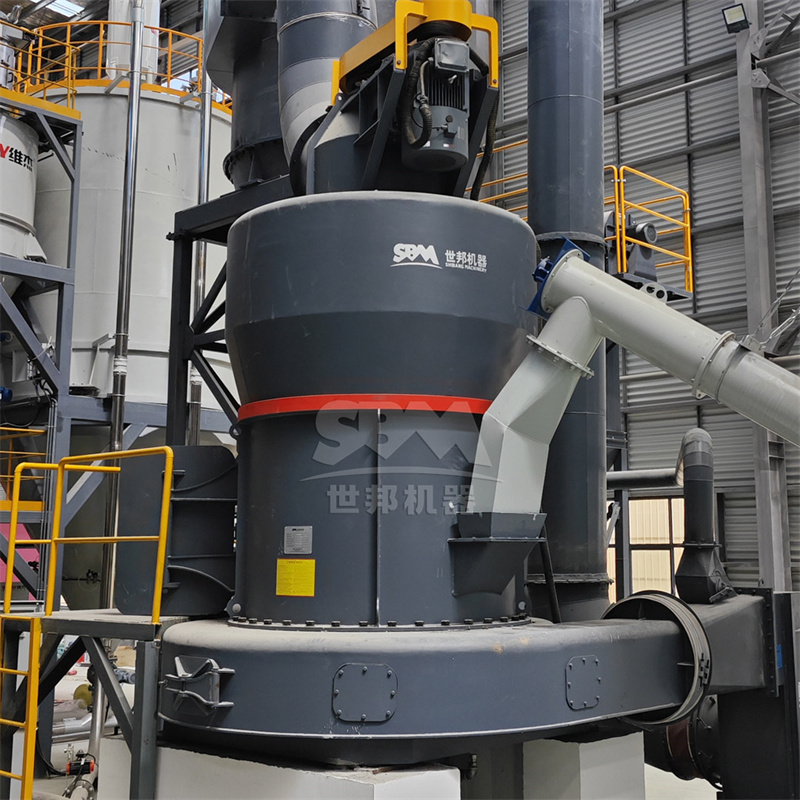
- European-Type Trapezium Mills (MTW/MTM Series): An advanced evolution of the Raymond mill. For calcium hydroxide processing, the MTW Series European Trapezium Mill stands out as an excellent solution. It features an integral bevel gear drive with 98% transmission efficiency, saving energy and space. Its anti-wear shovel design and curved blade geometry extend the life of wear parts, crucial for abrasive materials. The optimized arc air duct reduces airflow resistance, improving classification efficiency and allowing precise control from 30 to 325 mesh. With capacities from 3 to 45 tons per hour, it is ideal for medium to large-scale production of consistently fine lime powder.
2.3. Ultrafine Grinding Mills (<45μm / >325 Mesh)
Producing ultrafine or high-surface-area calcium hydroxide requires specialized technology.
- Jet Mills: Use high-speed jets of air or steam to cause particle-on-particle impact, ideal for superfine, high-purity products. However, they have high energy consumption and lower capacity.
- Vertical Roller Mills for Fine Powder (LM-LUM Series): Modern vertical mills are capable of grinding to ultrafine levels. They integrate grinding, drying, and classification in a single unit, offering excellent energy efficiency.
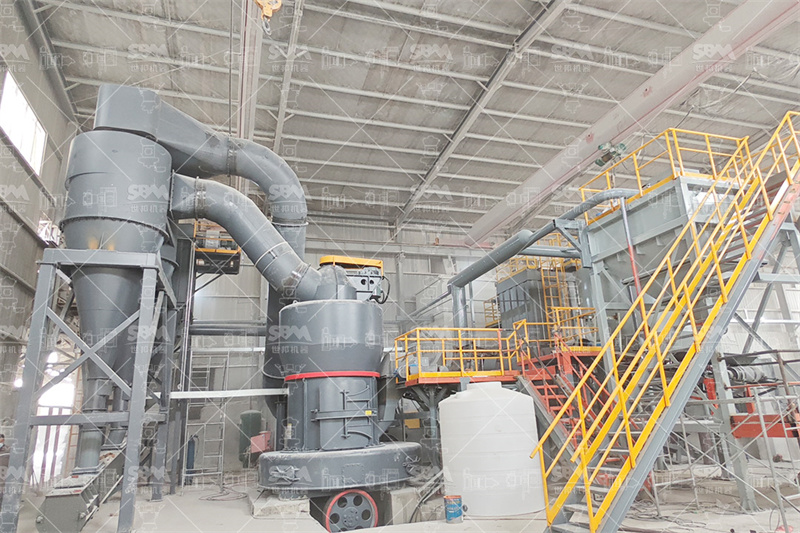
- Ultrafine Ring-Roller Mills (SCM Series): For the most demanding ultrafine applications, ring-roller mills are a superior choice. Our SCM Series Ultrafine Mill is engineered to produce calcium hydroxide powder from 325 to an impressive 2500 mesh (5μm). Its multi-layer grinding roller and ring design, coupled with a high-precision vertical turbine classifier, ensure a narrow particle size distribution with no coarse powder mixing. The mill operates with high efficiency, consuming 30% less energy than jet mills while offering double the capacity. Furthermore, its fully sealed system with pulse dust collection ensures an environmentally friendly operation with minimal dust emission, making it perfect for producing high-value, ultrafine hydrated lime for specialty chemical or pharmaceutical uses.
3. Auxiliary Equipment for a Complete Production Line
A grinding mill does not operate in isolation. A complete and efficient calcium hydroxide line includes:
- Feeders: (e.g., Vibrating, Screw) Ensure a stable and controlled feed rate to the mill.
- Bucket Elevators & Conveyors: Transport material between process stages.
- Drying Systems: (Rotary Dryers, Flash Dryers) If the slaked lime feed is wet, efficient drying is essential before dry grinding.
- Classifiers: Often integrated into the mill (as in MTW or SCM mills), they are critical for separating fine product from coarse material that needs regrinding. Independent air classifiers can also be used for final product refinement.
- Dust Collection Systems: (Pulse Jet Baghouses, Cyclones) Vital for product recovery, plant cleanliness, and meeting environmental standards. Modern mills like the SCM and MTW series incorporate high-efficiency pulse dust collectors.
- Packaging Systems: For bagging or bulk loading of the final powder.
- Control Systems: PLC-based automation for monitoring and controlling feed rate, temperature, fineness, and pressure, ensuring consistent product quality.
4. Designing an Efficient Calcium Hydroxide Production Line
Design considerations must be holistic:
- Define Product Specifications: Target fineness, moisture content, purity, and hourly capacity are the primary drivers.
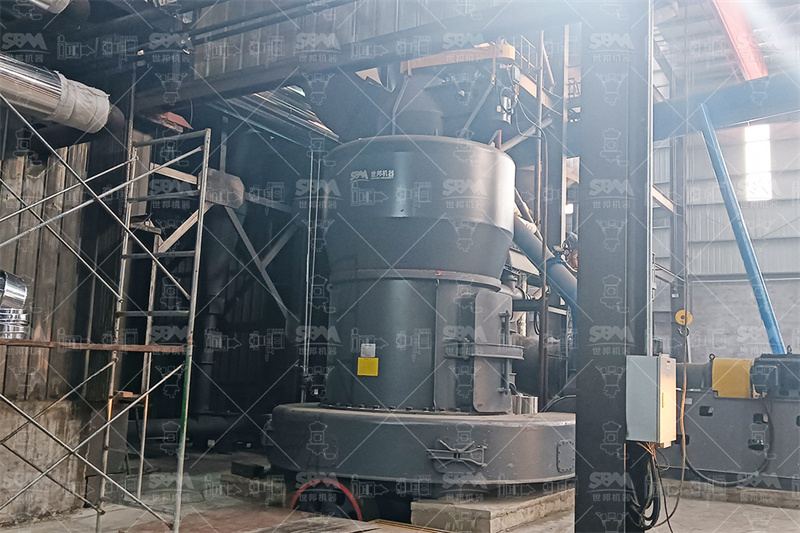
- Select the Core Mill: Based on specifications, choose between a fine grinder (e.g., MTW Mill) or an ultrafine grinder (e.g., SCM Mill). Consider energy consumption, wear part costs, and footprint.
- Integrate Upstream and Downstream Processes: Ensure the crusher, dryer, and feeder are correctly sized for the mill’s capacity. Design the pneumatic conveying and dust collection system to handle the mill’s air volume.
- Prioritize Sealing and Material Handling: Calcium hydroxide is prone to airborne dispersion and can be abrasive. Use sealed conveyors and robust, wear-resistant piping.
- Plan for Environmental Compliance: Design the entire line for negative pressure operation where possible, with high-efficiency dust collectors to capture any fugitive emissions.
5. Conclusion
The successful processing of calcium hydroxide into a market-ready powder requires careful selection and integration of specialized equipment. While traditional mills like ball mills have their place, modern trapezium mills (MTW Series) and ultrafine ring-roller mills (SCM Series) offer compelling advantages in energy efficiency, product quality control, and environmental performance. By understanding the capabilities of different grinding technologies—from the high-capacity, precise classification of the MTW mill for fine powders to the exceptional fineness range of the SCM mill for ultrafine products—producers can design optimized, cost-effective, and sustainable production lines that deliver calcium hydroxide powder tailored to the precise needs of their customers.