
Introduction to Attapulgite and the 100-Mesh Specification
Attapulgite, also known as palygorskite, is a naturally occurring magnesium aluminum phyllosilicate clay mineral renowned for its unique colloidal, rheological, and adsorption properties. Its applications span a wide range of industries, including drilling fluids, absorbents, pet litter, paints, adhesives, and pharmaceuticals. The performance of attapulgite in these applications is critically dependent on its particle size distribution. The 100-mesh specification (approximately 150 microns) is a common and crucial benchmark. This fineness represents an optimal balance where the mineral’s surface area is significantly increased to enhance its adsorption and suspension capabilities, while still maintaining a manageable flowability and processing efficiency for many industrial uses. Producing consistent, high-quality 100-mesh attapulgite powder requires a carefully selected and configured processing line.
Key Stages in the Attapulgite Powder Production Line
The transformation of raw attapulgite ore into a refined 100-mesh powder involves several sequential stages, each requiring specialized equipment.
1. Primary Crushing: Size Reduction of Raw Ore
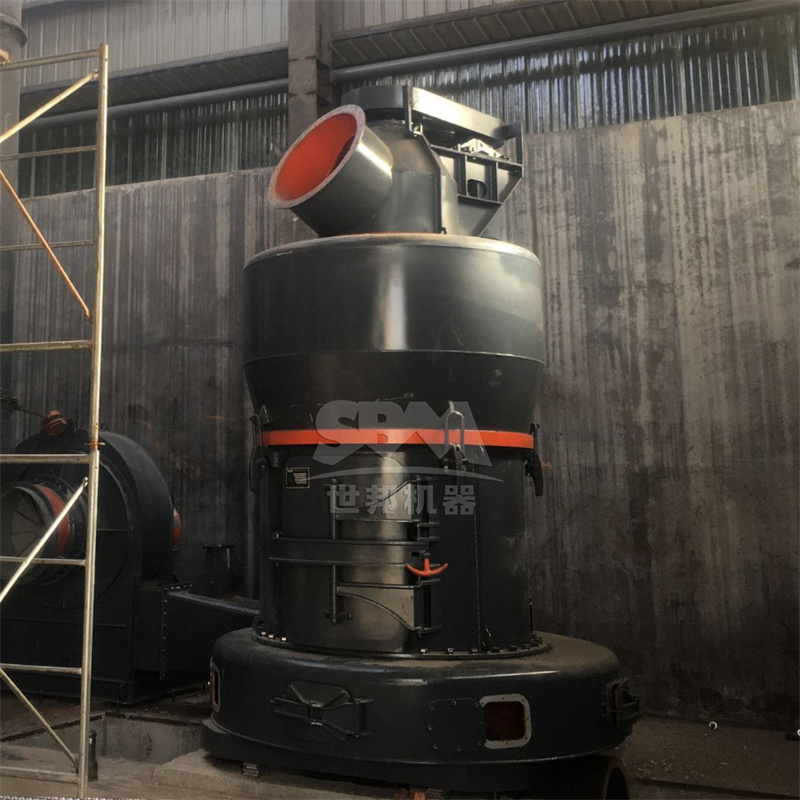
Raw attapulgite ore is typically extracted in large, irregular chunks. The first stage is primary crushing to reduce the ore to a manageable size (generally below 50mm) for subsequent drying and grinding. Jaw crushers are the most common choice for this duty. Their robust construction allows them to handle the abrasive nature of the clay ore, applying compressive force to break down the large pieces efficiently.
2. Drying: Moisture Control
Attapulgite ore often contains significant natural moisture. Effective drying is essential before fine grinding, as moisture can cause clogging, reduce grinding efficiency, and lead to poor powder quality. Rotary dryers are typically employed. Hot air is passed through a rotating drum containing the crushed ore, evaporating moisture to achieve a consistent, low moisture content (usually below 2-5%) ideal for grinding.
3. Secondary Crushing & Preliminary Grinding
Following drying, the material may undergo secondary crushing or coarse grinding to further reduce it to a feed size suitable for the final grinding mill. A hammer mill is an excellent choice for this stage. It can efficiently process the dried, brittle attapulgite into a granular material of a few millimeters in size. Its high-speed rotating hammers provide impact-based crushing, preparing a uniform feed for the next stage.
4. Fine Grinding to 100 Mesh: The Core Process
This is the most critical stage where the attapulgite is milled to the target 100-mesh fineness. The choice of grinding mill is paramount for product quality, energy efficiency, and overall operational cost. Several types of mills can achieve this specification, but their suitability varies.
- Raymond Mill (or Pendulum Roller Mill): A traditional and widely used option for mid-range fineness. It uses spring-loaded rollers to crush material against a rotating ring. It is effective for producing powders in the 30-325 mesh range.
- Ball Mill: A versatile workhorse that grinds material using steel balls in a rotating cylinder. While capable of producing 100-mesh powder, it may be less energy-efficient for this specific mid-range fineness compared to more modern roller mills, especially for dry processing.
- Vertical Roller Mill (VRM): A highly efficient and modern solution. Material is ground between rollers and a rotating table, with immediate classification by an integrated air separator. VRMs offer superior energy efficiency, lower noise, and excellent control over particle size distribution.
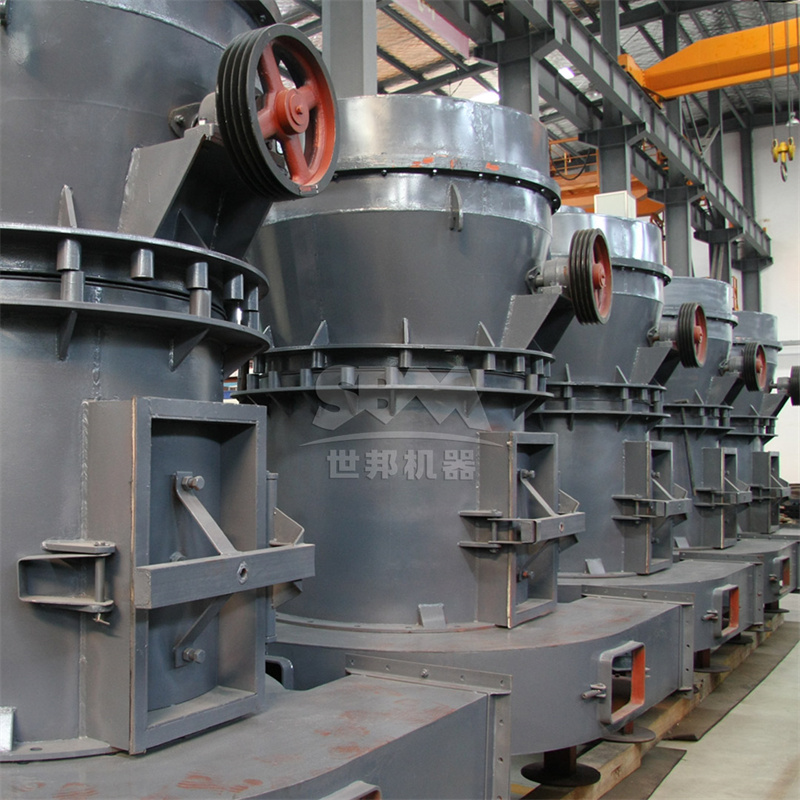
For producers seeking an optimal balance of high capacity, precision, and energy savings for producing 100-mesh attapulgite, the MTW Series European Trapezium Mill represents a top-tier solution. This advanced generation of roller mill incorporates patented technologies such as curved wear-resistant shovel blades, an optimized arc air duct to reduce energy loss, and an integral bevel gear drive with 98% transmission efficiency. It is specifically engineered to handle materials like attapulgite, offering a fineness range of 30-325 mesh (which perfectly encompasses the 100-mesh target) with high throughput and significantly reduced maintenance costs due to its durable, anti-wear design.
5. Classification & Collection
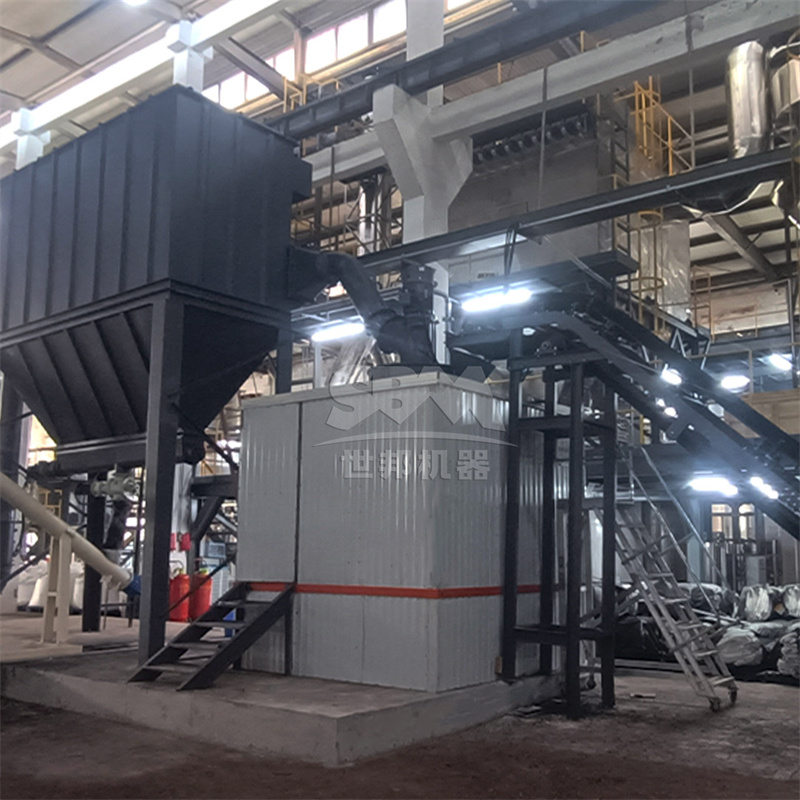
In modern grinding systems like the MTW or VRM, classification is an integrated step. An internal or external dynamic classifier (e.g., a turbine air separator) continuously separates the ground powder. Particles meeting the 100-mesh fineness are carried away by the airflow, while oversized particles are returned to the grinding zone for further processing. This closed-loop system ensures precise particle size control. The final product is then collected using high-efficiency cyclone separators and baghouse dust collectors, ensuring a clean working environment and maximizing product yield.
6. Packaging and Storage
The finished 100-mesh attapulgite powder is conveyed to storage silos. From there, it can be packaged in bags (e.g., 25kg, 50lb bags), super sacks, or loaded in bulk tanker trucks, depending on customer requirements.
Factors Influencing Equipment Selection
Choosing the right equipment suite goes beyond just hitting the 100-mesh target.
- Production Capacity: Required hourly or annual output dictates the size and model of the crushers, dryer, and most importantly, the grinding mill.
- Ore Characteristics: Hardness, abrasiveness, initial moisture content, and feed size all influence equipment choice and wear part material selection.
- Energy Efficiency: Grinding is energy-intensive. Mills like the MTW Series European Trapezium Mill or LM Vertical Roller Mill are designed for lower specific energy consumption compared to traditional ball mills.
- Product Quality Consistency: A mill with a precise and responsive classification system is crucial for maintaining a tight particle size distribution.
- Space and Layout: Integrated systems like Vertical Roller Mills offer a smaller footprint compared to traditional ball mill circuits.
- Automation Level: Modern mills often feature PLC-based control systems for stable operation and reduced manual intervention.
Advanced Solution for High-Value Applications
For operations that may also produce higher-value, ultra-fine attapulgite products (e.g., for specialty chemicals or nano-composites), investing in an ultra-fine grinding system is advantageous. The SCM Series Ultrafine Mill is engineered for this purpose. While capable of a broad range, it excels at producing powders from 325 to over 2500 mesh. Its vertical turbine classifier ensures high-precision particle size cutting with no coarse powder mixing. If your business plan includes diversifying into superfine or modified attapulgite powders, integrating the SCM Ultrafine Mill into your production portfolio allows for exceptional product flexibility and access to premium market segments.
Conclusion
Producing high-quality 100-mesh attapulgite powder requires a systematic approach, from primary crushing and drying to the core fine-grinding process. While several grinding mill options exist, the evolution of milling technology has made roller mills, particularly the modern European Trapezium design, the preferred choice for their efficiency, precision, and reliability in this fineness range. Selecting equipment from a reputable manufacturer that offers robust, energy-efficient, and automated solutions—like the featured MTW Series for optimal 100-mesh production and the SCM Series for ultra-fine capabilities—is a strategic investment that ensures product quality, operational economy, and competitiveness in the global attapulgite market.