
Introduction: The Critical Role of Grinding in Bauxite Processing
Chemical-grade bauxite powder is a fundamental raw material for producing alumina (Al2O3), which in turn is essential for aluminum metal, advanced ceramics, refractories, and abrasives. The quality of the final product is heavily dependent on the fineness, particle size distribution (PSD), and purity of the bauxite powder. Achieving the stringent specifications required for chemical processing—typically ranging from coarse grinding (45-325 mesh) for the Bayer process to ultra-fine grinding (2500 mesh and beyond) for high-purity applications—demands specialized and efficient grinding equipment. This guide explores the key machinery used in producing chemical-grade bauxite powder and highlights the technological advancements that optimize this critical operation.
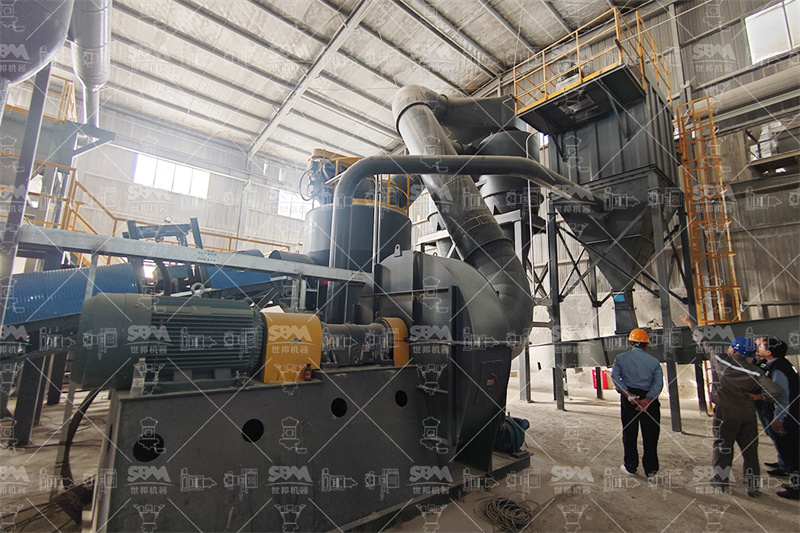
Key Requirements for Chemical-Grade Bauxite Grinding
Before selecting equipment, processors must consider several non-negotiable parameters:
- Fineness & PSD Control: Consistent and precise particle size is crucial for reaction kinetics in digestion tanks.
- Contamination Control: The grinding system must minimize iron or other metallic contamination to maintain product purity.
- Energy Efficiency: Grinding is highly energy-intensive; efficient mills significantly reduce operational costs.
- Capacity & Reliability: Continuous, stable operation with minimal downtime is essential for integrated chemical plants.
- Environmental Compliance: Fully sealed systems with efficient dust collection are mandatory to meet emission standards.
Core Grinding Equipment for Bauxite Powder Production
The choice of mill depends on the target fineness, feed size, and production scale. The industry utilizes a progression of equipment, often starting with primary crushers and hammer mills for size reduction before fine grinding.
1. Primary & Coarse Grinding (Down to ~3mm)
Run-of-mine bauxite is first crushed to a manageable size. Jaw crushers and gyratory crushers handle the initial breaking. For further reduction to a few millimeters, Hammer Mills are highly effective. Their high-speed rotating hammers pulverize the material against liners until it passes through a bottom screen. They offer high capacity, a simple structure, and are ideal for preparing feed for secondary grinding circuits.
2. Medium-Fine Grinding (600 – 45μm / 30 – 325 mesh)
This range is critical for many standard alumina production processes. Two workhorse technologies dominate this segment:
- Ball Mills: A traditional and robust solution. Bauxite and grinding media (steel balls) are tumbled in a rotating cylinder, achieving size reduction through impact and attrition. They are versatile and offer a wide fineness range but are less energy-efficient and have higher wear rates compared to newer technologies.
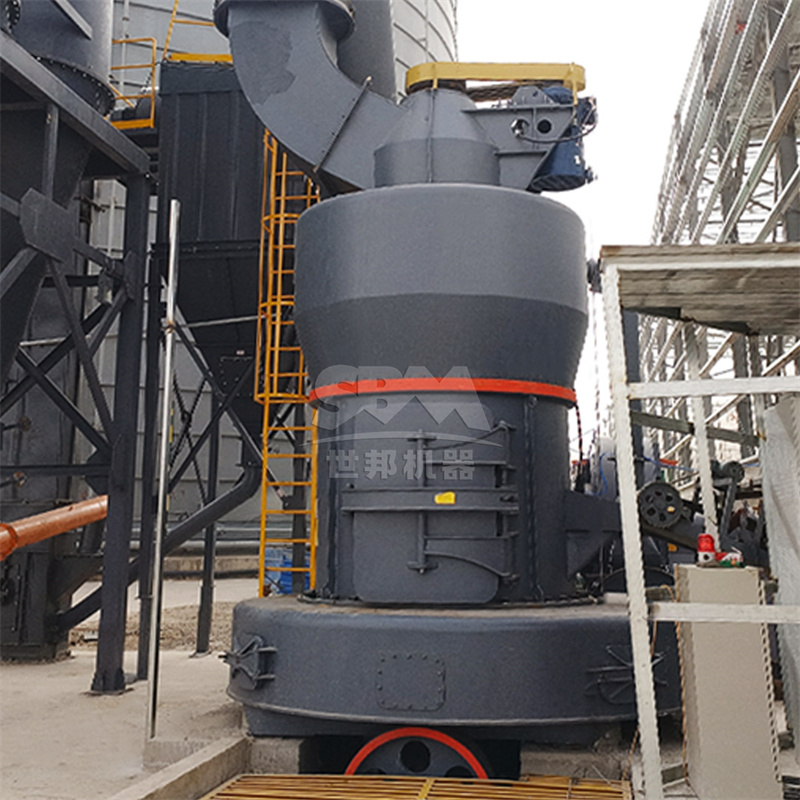
- Vertical Roller Mills (VRM): Representing a significant technological leap, VRMs like our LM Series Vertical Roller Mill have become the preferred choice for high-capacity bauxite grinding. Material is fed onto a rotating table and crushed under rollers. The integrated classifier immediately removes fines, while coarse material falls back for regrinding. This mechanism offers superior energy efficiency (30-40% lower than ball mills), lower wear rates, and a compact footprint. Their ability to handle feed sizes up to 50mm and produce powder from 30 to 325 mesh makes them exceptionally suitable for large-scale chemical-grade bauxite preparation.
3. Ultra-Fine & Superfine Grinding (45 – 5μm / 325 – 2500 mesh)
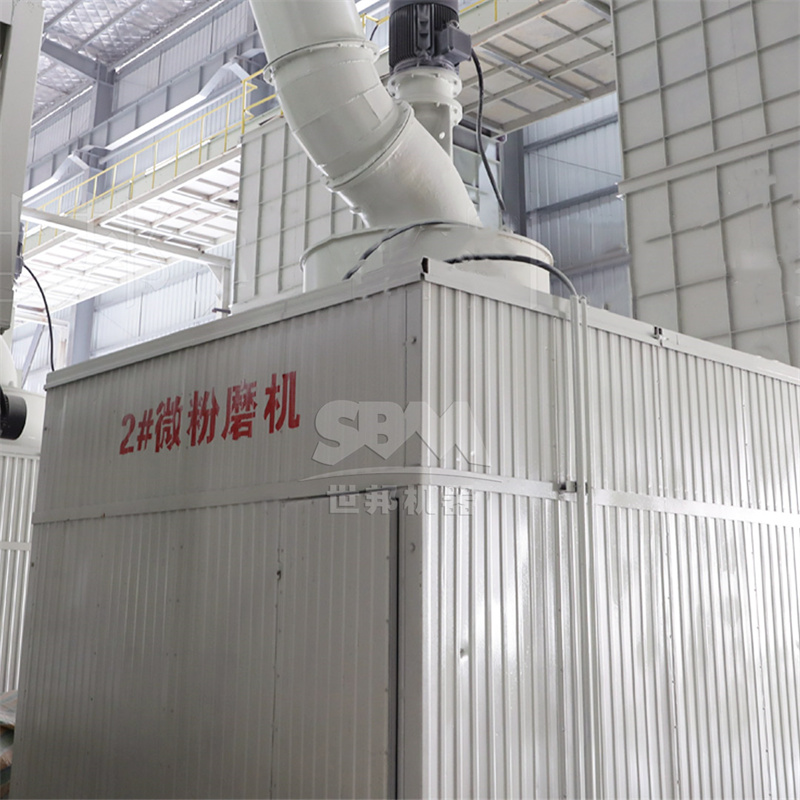
For high-value applications requiring extreme fineness and narrow PSD, such as high-purity alumina or advanced ceramic precursors, specialized ultra-fine grinding mills are indispensable. Here, SCM Series Ultrafine Mill technology excels. This mill utilizes a unique three-layer ring and roller design. Material is centrifugally dispersed into the grinding path and subjected to layer-by-layer compression and shearing forces. Coupled with a high-precision vertical turbine classifier, it achieves remarkable fineness up to 2500 mesh (5μm) with exceptional uniformity and no coarse powder mixing. Its energy-saving design consumes 30% less power than traditional jet mills while offering higher capacity, making it the optimal solution for producing premium chemical-grade bauxite powders.
Technology Deep Dive: Recommended Solutions for Bauxite
Based on the specific requirements of chemical-grade bauxite production, we recommend the following equipment for their proven performance, efficiency, and reliability.
Recommended Solution 1: LM Series Vertical Roller Mill for High-Capacity Processing
For plants focused on large-volume production of bauxite powder in the medium-fine range (e.g., for the Bayer process), the LM Vertical Roller Mill is the industry benchmark.
- Why it’s Ideal for Bauxite: Its integrated crushing-grinding-drying-classifying system handles the moderate moisture often found in bauxite. The non-contact design between rollers and the table, combined with wear-resistant materials, drastically reduces metallic contamination—a critical factor for chemical purity.
- Key Advantages:
- High Efficiency & Low OPEX: Energy consumption is 30-40% lower than ball mill systems. Its intelligent control system ensures stable operation and optimal power use.
- Large Capacity: Models like the LM220K can process 36-105 tons per hour, supporting major production lines.
- Environmental Excellence: Fully sealed negative pressure operation and a high-efficiency pulse dust collector ensure dust emissions are far below international standards.
Recommended Solution 2: SCM Series Ultrafine Mill for Premium-Grade Powder
When the product specification calls for ultra-fine, high-purity bauxite powder, the SCM Ultrafine Mill is the definitive choice.
- Why it’s Ideal for High-Purity Bauxite: The grinding rollers and rings can be lined with special ceramics or other inert materials to completely eliminate iron contamination. The precise classification system ensures a tight particle size distribution, which is vital for consistent chemical reactivity and final product performance in advanced applications.
- Key Advantages:
- Unmatched Fineness & Uniformity: Produces powder from 325 to 2500 mesh with exceptional consistency.
- Energy-Saving Design: Offers twice the capacity of a jet mill with 30% lower energy consumption, delivering a superior return on investment.
- Durable & Low Maintenance: The special material rollers and rings extend service life several times over conventional designs, reducing maintenance frequency and cost.
Conclusion: Selecting the Right Partner for Grinding Success
The production of chemical-grade bauxite powder is a sophisticated process where grinding technology directly impacts product quality, operational cost, and environmental footprint. Moving from traditional ball mills to advanced vertical roller mills and ultra-fine grinding systems represents a clear path toward greater efficiency and competitiveness.
Investing in the right grinding equipment, such as the high-capacity LM Vertical Roller Mill or the precision-focused SCM Ultrafine Mill, is not merely a purchase but a strategic decision for long-term plant optimization. By partnering with a technology provider that offers robust, efficient, and environmentally sound grinding solutions, bauxite processors can ensure they meet the exacting standards of the chemical industry while maximizing their profitability and sustainability.