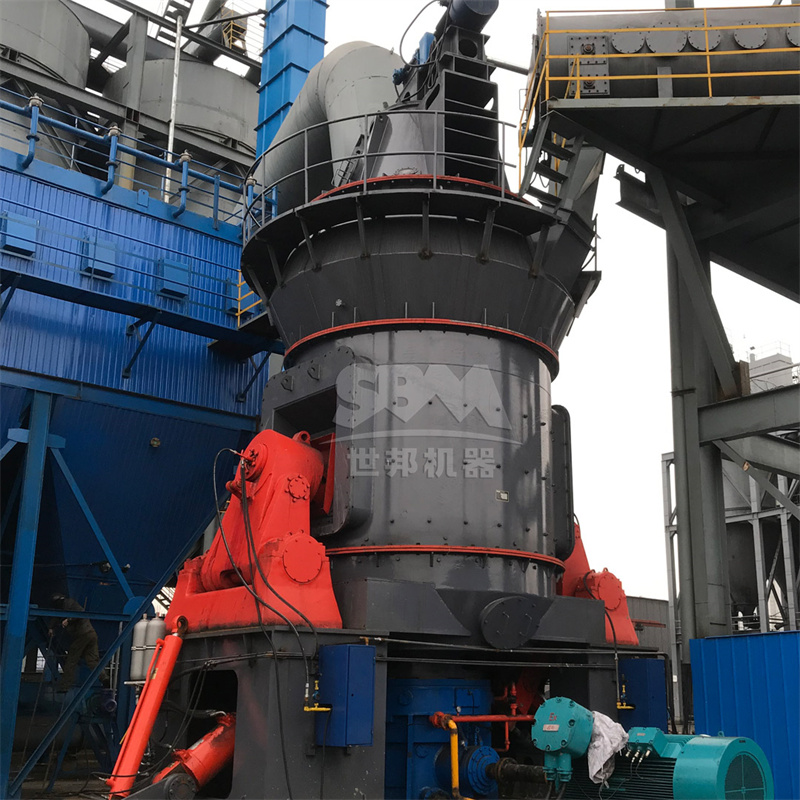
Introduction to Orthoclase Processing
Orthoclase, a potassium-rich feldspar mineral, is widely used in ceramics, glassmaking, and as a flux in metallurgy. Its hardness (6–6.5 on Mohs scale) and abrasive nature demand grinding equipment that balances efficiency, durability, and precision. Selecting the right mill directly impacts product quality, energy consumption, and operational costs. This guide explores key factors in orthoclase grinding and recommends optimal machinery based on feed size, desired fineness, and throughput requirements.
Key Considerations for Orthoclase Grinding
When processing orthoclase, several parameters dictate equipment choice: Feed size (typically <20mm for ultrafine mills), target fineness (from 325 mesh for ceramics to 2500 mesh for high-grade paints), and capacity (ranging from 0.5 to 250 t/h). Additionally, moisture content (<6% recommended) and abrasiveness influence wear rates. Below, we evaluate mill types suitable for orthoclase across different applications.
Ultrafine Grinding for High-Value Products
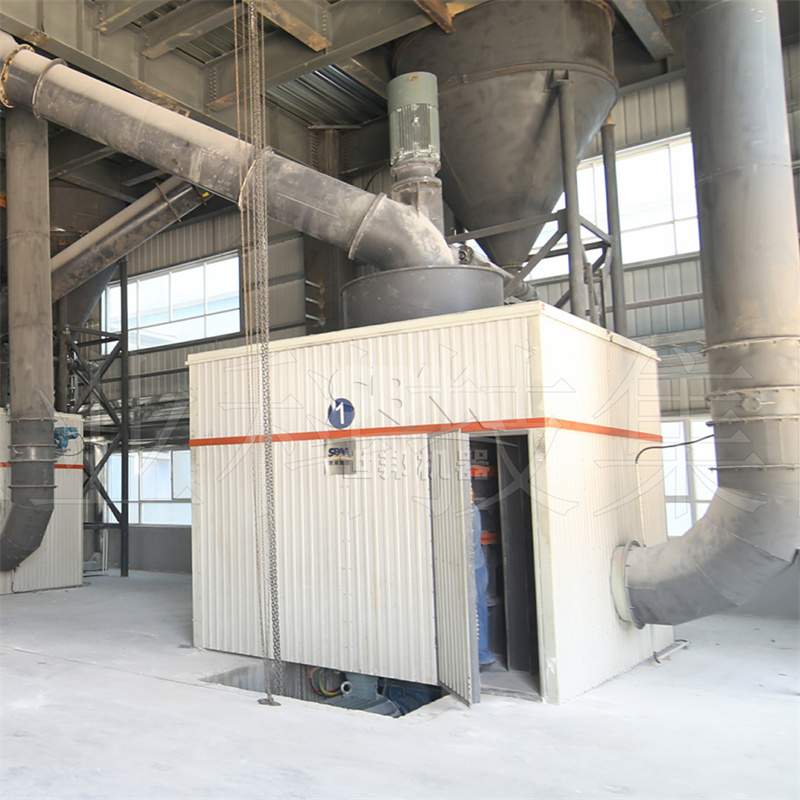
For orthoclase applications demanding ultra-fine powders (325–2500 mesh, i.e., 45–5μm), such as premium ceramic glazes or functional fillers, an ultrafine mill is essential. The SCM Series Ultrafine Mill is designed precisely for this niche. With a capacity of 0.5–25 t/h and an innovative three-layer grinding ring system, it achieves twice the output of jet mills while consuming 30% less energy. Its vertical turbine classifier ensures no coarse powder mixing—critical for uniform orthoclase products. For example, the SCM1250 model (capacity: 2.5–14 t/h, 185kW) is ideal for medium-scale orthoclase grinding. Its pulse dust collection system maintains eco-friendly operations with noise levels below 85dB.
Medium-Fineness Grinding for Ceramics and Glass
When orthoclase is destined for standard ceramic bodies or glass batches (fineness: 30–325 mesh), versatile mills like the MTW Series European Trapezium Mill or LM Series Vertical Roller Mill offer excellent solutions. The MTW series features an anti-wear shovel design and integral bevel gear drive (98% transmission efficiency), handling feed sizes up to 50mm with capacities from 3 to 45 t/h. Its optimized arc air duct reduces energy loss, while wear-resistant volute structures cut maintenance costs by 30%. For large-scale operations, the LM Vertical Roller Mill integrates crushing, grinding, and classification in one unit, reducing floor space by 50%. The LM190K model (capacity: 23–68 t/h, feed <45mm) excels in producing orthoclase powder for the glass industry, where consistent particle size (170–40μm) is mandatory.
Coarse to Medium Grinding with Ball Mills
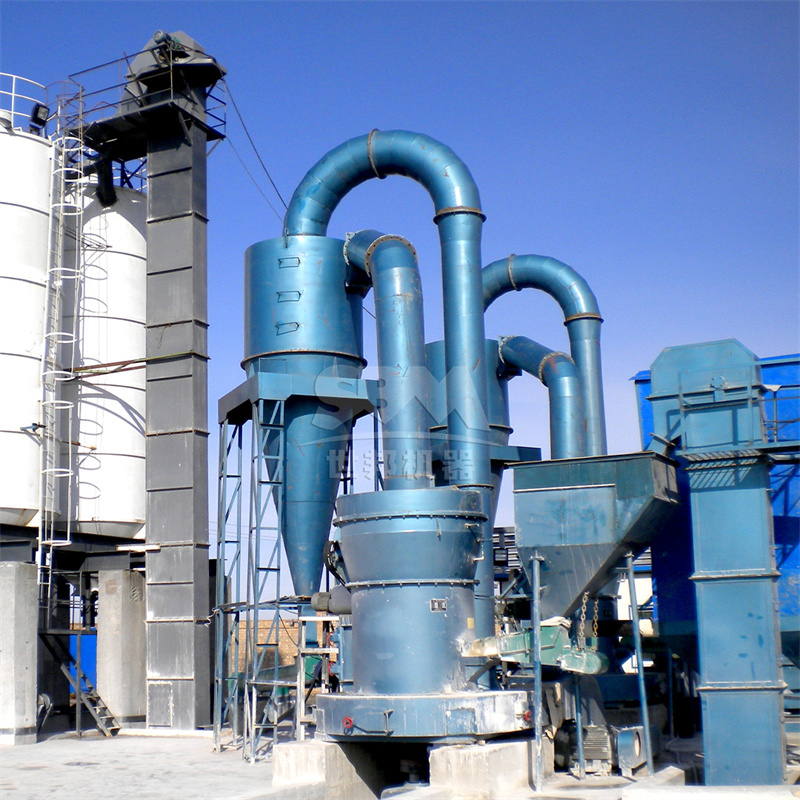
For orthoclase pre-processing or when producing coarser mesh sizes (0.074–0.8mm), Ball Mills remain a reliable choice. With a crushing ratio up to 300:1 and capacities from 0.65 to 450 t/h, they handle wet or dry operations. The GMQG2445 model (capacity: 55–10.5 t/h, 400kW) is suitable for medium-scale orthoclase grinding. Although energy consumption is 30–40% higher than vertical mills, their proven stability and low maintenance make them attractive for continuous production lines where initial investment is prioritized.
Specialized Solutions for High-Capacity or Pre-Grinding
For extremely high throughput (up to 250 t/h) or pre-grinding before finish milling, the LM Vertical Pre-grinding Mill (LM-Y series) offers bed-grinding technology that reduces power consumption by 30–50%. Models like LM340Y (capacity 80–100 t/h, 2500kW) are ideal for cement clinker and orthoclase pre-processing in large factories. Additionally, the MRN Pendulum Mill series features thin oil lubrication for maintenance-free operation, with capacities reaching 83 t/h—suitable for orthoclase grinding in heavy industrial applications.
Recommended Products for Orthoclase
Based on typical orthoclase processing needs, we recommend two flagship models:
- SCM1250 Ultrafine Mill (for ultra-fine orthoclase powder: 325–2500 mesh, capacity 2.5–14 t/h). Its high-precision classifier and durable roller/ring materials ensure consistent product quality and extended service life.
- LM190K Vertical Roller Mill (for medium-fineness orthoclase: 30–325 mesh, capacity 23–68 t/h). Its integrated design and intelligent control system reduce operating costs by 30–40% versus ball mills, with a compact footprint for outdoor installation.
Conclusion
Choosing the best grinding mill for orthoclase hinges on balancing fineness, capacity, and energy efficiency. For ultra-fine applications, the SCM series delivers unmatched precision and energy savings. For medium-grind tasks, MTW or LM mills offer versatility and cost-effectiveness. Always test your specific orthoclase feedstock with manufacturers to validate throughput and wear rates. With the right equipment, orthoclase processing can be both profitable and sustainable.