
1. Product Overview
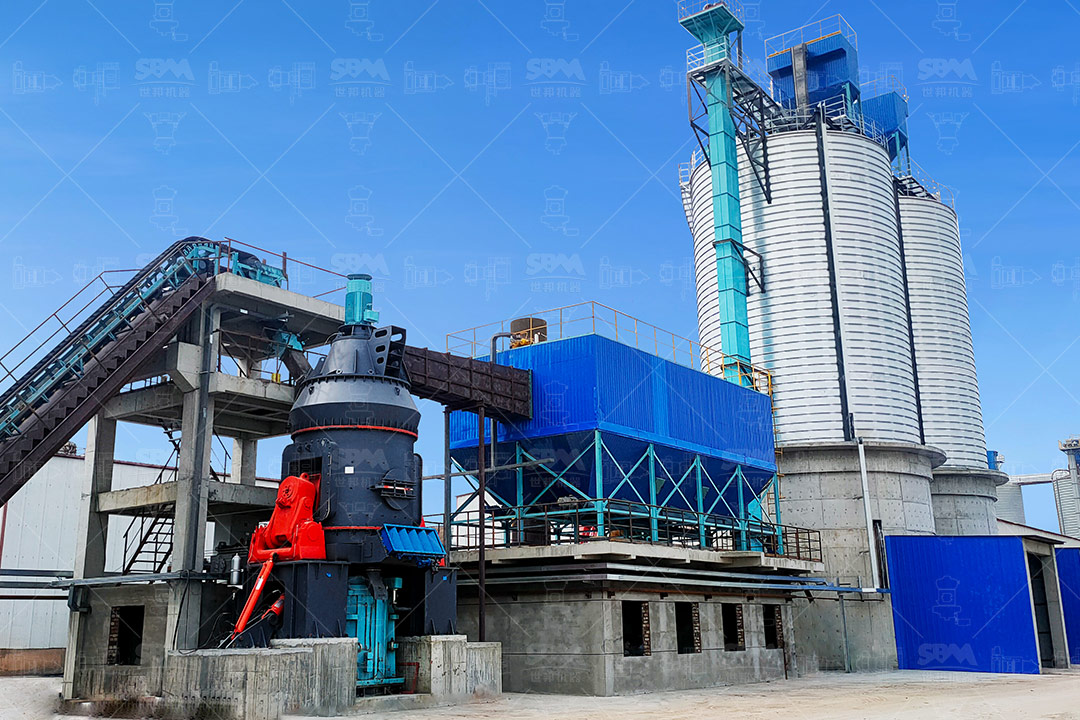
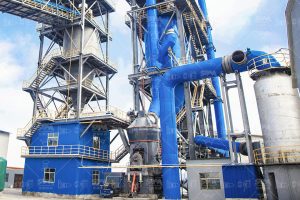
The LM Series Vertical Roller Mill (VRM) developed by our company is a highly efficient grinding system widely used in modern cement plants. It is designed as an integrated solution combining crushing, drying, grinding, classifying, and conveying within a single piece of equipment.
Compared with the traditional ball mill + separator system, the LM Series VRM represents a major technological breakthrough in cement grinding technology. By adopting the material bed grinding principle, the VRM significantly shortens the process flow, reduces auxiliary equipment, and improves overall system efficiency.
Key Breakthroughs:
- Integrated process design, eliminating multiple material transfer stages
- System power consumption reduced by 30% or more compared with conventional ball mill systems
- Compact layout with lower civil construction and installation costs
As a result, VRMs have become a core grinding solution for large-scale, energy-efficient, and environmentally friendly cement production lines.
2. Applications & Purpose in Cement Production Lines
The Vertical Roller Mill plays a critical role throughout the entire cement manufacturing process, covering raw material preparation, fuel grinding, and cement product processing.
2.1 Raw Material Milling
The LM Series Vertical Roller Mill is widely used for grinding cement raw materials such as limestone, clay, marl, and corrective materials.
Purpose and Benefits:
- Increase specific surface area to enhance chemical reaction efficiency in the rotary kiln
- Enable simultaneous grinding and drying for high-moisture raw materials
- Produce uniform raw meal fineness, ensuring stable kiln operation and clinker quality
2.2 Cement Clinker Grinding
In cement finish grinding, the LM Series VRM provides precise control over product fineness and particle size distribution, which directly affects cement strength and setting performance.
Key Advantages:
- Adjustable classifier for flexible control of cement fineness
- Optimized particle grading to improve early and late compressive strength
- Stable operation suitable for large-capacity cement production lines
2.3 Coal Powder Pulverizing
The LM Series Vertical Roller Mill is also extensively applied in coal grinding systems for rotary kiln fuel preparation.
Key Features:
- Efficient grinding of raw coal into fine pulverized coal for stable kiln combustion
- Integrated drying system to control final coal moisture
- Multiple safety measures, including inert gas protection and explosion-proof design, ensuring safe and reliable operation
2.4 Industrial Waste and By-product Processing
The LM Series Vertical Roller Mill offers excellent adaptability for the fine processing of industrial by-products and solid waste materials, supporting sustainable and circular cement production.
Typical Materials:
- Ground Granulated Blast Furnace Slag (GGBFS)
- Steel slag
- Fly ash
- Flue gas desulfurization (FGD) gypsum
Through fine grinding, these materials can be reused in blended cement and construction materials, improving resource utilization and reducing environmental impact.
3. Core Advantages – Why Choose a VRM?
3.1 High Energy Efficiency
3.2 Simplified Process and Lower Investment
3.3 High Automation and Operational Stability
3.4 Environmental Performance
4. Technical Specifications (Reference)
| Item | Typical Range |
|---|---|
| Final product fineness | 20–400 mesh |
| Production capacity | 3–700 t/h |
| Feed moisture | Up to 15% (raw materials) |
| Application materials | Raw meal, clinker, coal, slag |
Actual specifications and model selection depend on material characteristics and production requirements.
5. Core Components & Spare Parts
An LM Series Vertical Roller Mill consists of several key components designed for high reliability and long service life:
- Grinding table and grinding rollers: Core grinding elements, made of wear-resistant materials
- Hydraulic loading system: Provides stable and adjustable grinding pressure
- High-efficiency classifier: Precisely controls product fineness
- Main gearbox and motor: Heavy-duty design for continuous operation
- Air ring and hot gas system: Ensures effective material drying and transportation
- Wear parts and liners: Designed for easy replacement and extended maintenance intervals
6. Detailed FAQs
Q1: How much energy can a VRM save compared with a ball mill system?
A VRM typically reduces power consumption by 30% or more, depending on material properties and operating conditions.
Q2: Can one VRM handle materials with high moisture content?
Yes. The integrated drying system allows VRMs to process materials with relatively high moisture by using hot gases from the kiln or hot air generator.
Q3: Is a VRM suitable for large-scale cement plants?
Absolutely. VRMs are specifically designed for high-capacity, continuous operation, making them ideal for modern large cement production lines.
Q4: How is operational safety ensured, especially for coal grinding?
Coal VRMs are equipped with explosion-proof designs, inert gas systems, and temperature monitoring, ensuring safe and reliable operation.
Q5: What about maintenance and spare parts availability?
VRMs are designed with roller swing-out structures for easy maintenance. Standardized spare parts and professional after-sales support ensure long-term stable operation.
With increasing demands for energy efficiency, environmental compliance, and production stability, the LM Series Vertical Roller Mill has become a key grinding solution in the global cement industry. Its integrated design, proven energy-saving performance, and wide application range make it an ideal choice for cement plants seeking sustainable and cost-effective grinding solutions.
For detailed technical proposals, model selection, or project references, please contact our technical team.